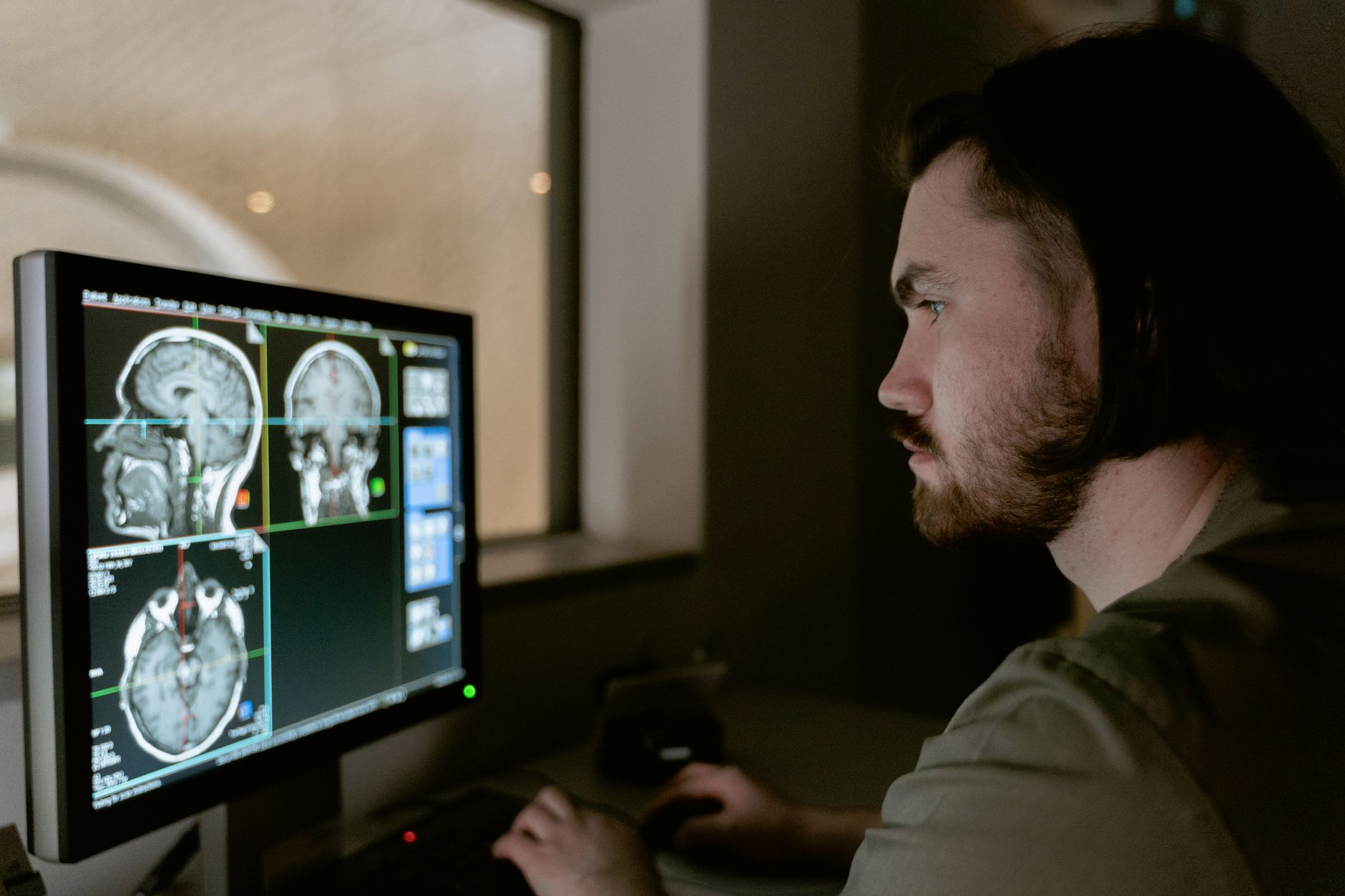
Insurance covers deep brain stimulation after your team proves medical necessity and secures prior authorization. Deep brain stimulation (DBS) is implanted brain electrodes plus a pulse generator that calm tremor and Parkinson's motor symptoms. Coverage hinges on diagnosis, drug history, and documented response to levodopa. The rest of this guide shows what Medicare and private plans ask for and what steps protect you.
Medical information disclaimer: This article is for general educational purposes only and does not provide medical advice, diagnosis, or treatment. Always consult a physician or other qualified health professional about symptoms, medications, tests, or treatment decisions.
Table of Contents
- What does Medicare require for Parkinson's?
- How does Medicare split the bill?
- What do private plans allow beyond Medicare?
- What paperwork wins approval?
- How do you prevent a surprise bill?
What does Medicare require for Parkinson's?
The Centers for Medicare & Medicaid Services covers DBS when its NCD 160.24 conditions are met, as described in its NCD 160.24 decision memo. Coverage applies to thalamic VIM stimulation for parkinsonian tremor and to subthalamic nucleus or globus pallidus interna stimulation for Parkinson's disease. The policy has applied to services since April 1, 2003. Aetna summarizes the clinical tests in its Clinical Policy Bulletin No.
0208. Parkinson's must show at least two cardinal features and disabling symptoms despite an adequate drug trial. Motor complications must respond to levodopa. Certain findings rule out coverage. Those are dementia, severe depression, brain atrophy, Hoehn-Yahr stage V disease, and a lesion at the target site.
How does Medicare split the bill?
Medical News Today reports that Original Medicare pays in parts. Part A pays for inpatient surgery. Part B pays for doctor visits, follow-up neurology, lab work and outpatient presurgical testing, while Part D pays for drugs. Patients still owe deductibles plus usually 20% Part B coinsurance.
Ask the hospital billing office for your expected share in writing. Medicare covers only FDA-approved DBS devices, according to the UNC Neurosurgery DBS program. Parkinson's, essential tremor and epilepsy hold full approvals. Dystonia and obsessive-compulsive disorder use Humanitarian Device Exemption pathways.
What do private plans allow beyond Medicare?
Aetna and UnitedHealthcare report broader commercial coverage than Medicare. Aetna's policy bulletin lists intractable primary dystonia from age 7.
📨 Get Free Parkinson's Guides Alerts
Free · No spam · Unsubscribe anytime
It also lists refractory partial-onset epilepsy after three or more drugs. Some commercial plans cover severe treatment-resistant obsessive-compulsive disorder. Some Medicaid plans still call DBS for that use unproven, so confirm your own plan language.
What paperwork wins approval?
Premera Blue Cross Blue Shield of Alaska says insurers require prior authorization and medical-necessity review. Approval depends on complete records, not a verbal order.
Send the packet before scheduling surgery. Missing pages cause delays or denial.
- diagnosis records and medication history
- UPDRS motor score and levodopa-response notes
- brain imaging plus cognitive and psychiatric screening
- letter of necessity from the care team
How do you prevent a surprise bill?
CMS warns that recovery auditors review outpatient DBS records for medical necessity, as explained on its outpatient compliance page. Hospitals must refund Medicare when records do not support the diagnosis or NCD criteria.
Get written authorization before surgery. Confirm the surgeon, hospital and programming visits are in network, and ask for your deductible, coinsurance and out-of-pocket maximum.
You Might Also Like
- How Does Deep Brain Stimulation Change Nutritional Needs?
- What Happens During Screening for a Deep Brain Stimulation Trial?
- Deep Brain Stimulation Battery Replacement: What to Expect