You can deduct unreimbursed Parkinson's medical costs that exceed 7.5% of adjusted gross income when you itemize. Qualifying costs include neurologist visits, hospital care, nursing services, therapy, prescriptions, and certain long-term care, travel, and home changes.
Adjusted gross income means total income minus specific adjustments the tax rules allow. Only the amount above the 7.5% floor counts, so track every qualified bill you pay yourself. The Internal Revenue Service explains this threshold and Schedule A requirement in Publication 502.
Medical information disclaimer: This article is for general educational purposes only and does not provide medical advice, diagnosis, or treatment. Always consult a physician or other qualified health professional about symptoms, medications, tests, or treatment decisions.
Official resources:
- Read the official guidance from Irs — Use this primary source to verify the official guidance.
- Read the official guidance from Irs — Use this primary source to verify the official guidance.
Table of Contents
- Which Parkinson's care counts?
- What about drugs, insurance, and long-term care?
- Can travel and home changes count?
- How do you claim the deduction?
Which Parkinson's care counts?
The Internal Revenue Service counts care that diagnoses, treats, mitigates, or prevents disease. For Parkinson's, that includes neurologist visits, hospital stays, and nursing services. It also includes physical, occupational, and speech therapy tied to treatment goals.
Insurance payments do not count. If the plan pays part of a therapy bill, you include only the unreimbursed amount you actually paid. Keep statements that show what you paid versus what insurance reimbursed.
What about drugs, insurance, and long-term care?
The Internal Revenue Service treats prescription Parkinson's drugs as deductible medical expenses. Over-the-counter drugs without a prescription generally do not count, except insulin. The Internal Revenue Service allows after-tax premiums for medical insurance to count. That includes Medicare Parts B and D, supplemental coverage, and qualified long-term-care insurance.
📨 Get Free Parkinson's Guides Alerts
Free · No spam · Unsubscribe anytime
Long-term-care premiums face age-based caps. The Internal Revenue Service allows qualified long-term-care services for a chronically ill person to count. They must be required by illness and provided under a licensed practitioner's care plan. That rule can cover personal and maintenance care in advanced Parkinson's.
Can travel and home changes count?
The Internal Revenue Service allows 21 cents per mile for 2025 medical travel, plus parking and tolls. Lodging can count up to $50 per night per person for required travel away from home, per the Internal Revenue Service in the standard mileage rate guidance.
Medically necessary changes like ramps, grab bars, stair lifts, and widened doorways can count. The Internal Revenue Service allows only the cost above any increase in home value, as detailed in Publication 502.
How do you claim the deduction?
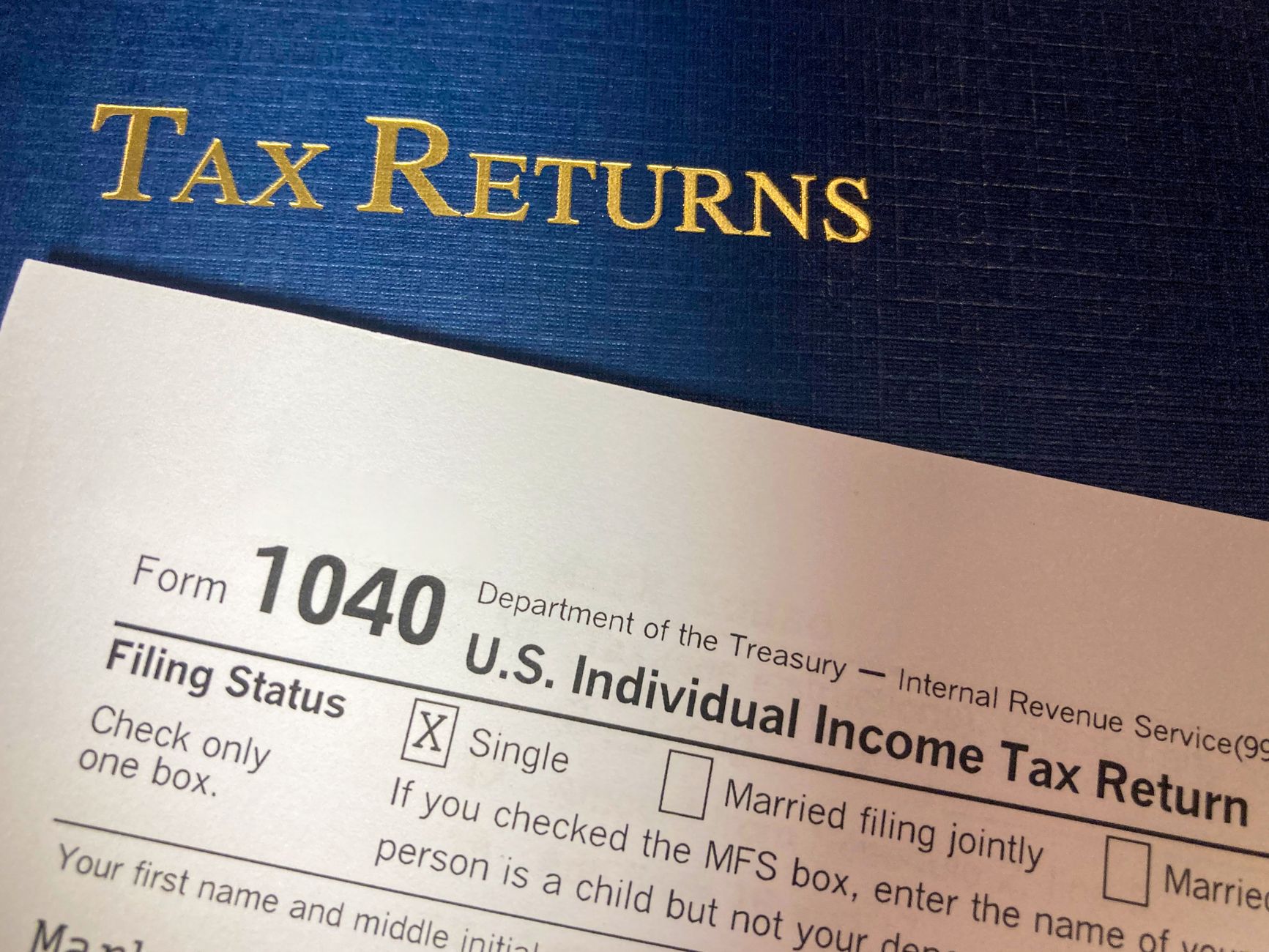
The Internal Revenue Service requires itemizing on Schedule A of Form 1040 to claim medical expenses. You cannot claim the same costs through the standard deduction. Add only unreimbursed qualified amounts, then subtract the 7.5% floor.
A caregiver who pays a parent's Parkinson's bills can include them after itemizing in some cases. The Internal Revenue Service permits this when the parent was a dependent or would have been except for income or joint-return tests. Keep receipts for parking, tolls, lodging, and contractor bills with the written care plan.
- Add up unreimbursed qualified costs you paid.
- Calculate 7.5% of adjusted gross income.
- Deduct only the excess on Schedule A.
You Might Also Like
- What Counts as Financial Abuse of a Parkinson’s Caregiver’s Elder?
- Social Security Disability Timeline for a Neurologist’s Diagnosis
- Power of Attorney Documents Every Parkinson’s Family Should Have