Akinetic-rigid Parkinson’s disease is a subtype of Parkinson’s characterized by two dominant motor features: bradykinesia (slowness of movement) and rigidity (muscle stiffness), with less prominent tremor than other presentations. Rather than leading with shaking hands, people with this subtype experience a progressive difficulty initiating and executing movements, combined with a significant stiffness throughout the muscles that makes even simple tasks feel resistant.
A person might find that getting up from a chair takes tremendous effort, or that their writing becomes progressively smaller and slower—a phenomenon called micrographia. This subtype represents roughly 25-30% of Parkinson’s disease cases and tends to be associated with a more rapidly progressive course and greater motor disability over time compared to tremor-dominant presentations. The absence of prominent tremor sometimes means the condition takes longer to diagnose, as family members or primary care doctors may misattribute the slowness and stiffness to aging, arthritis, or depression rather than recognizing it as a neurological movement disorder.
Table of Contents
- How Does Akinetic-Rigid Parkinson’s Differ From Tremor-Dominant PD?
- Understanding Rigidity and Bradykinesia—The Core Symptoms
- Impact on Daily Functioning and Independence
- How Akinetic-Rigid Parkinson’s Is Diagnosed and Differentiated
- Treatment Challenges Specific to Akinetic-Rigid Parkinson’s
- Progression Patterns in Akinetic-Rigid Parkinson’s
- Managing Motor Complications and Long-Term Care Strategies
- Frequently Asked Questions
How Does Akinetic-Rigid Parkinson’s Differ From Tremor-Dominant PD?
Parkinson’s disease manifests differently depending on which motor symptoms predominate at onset. tremor-dominant patients often first notice a resting tremor—the classic “pill-rolling” hand tremor—while their rigidity and bradykinesia develop more gradually. Akinetic-rigid patients experience the opposite pattern: the slowness and stiffness are immediate and disabling, while tremor is minimal or absent.
Some akinetic-rigid patients never develop noticeable tremor at all, even years into the disease. This distinction matters clinically because tremor-dominant PD generally progresses more slowly and responds more predictably to dopamine replacement therapy. Akinetic-rigid subtypes tend to be less tremor-responsive and more prone to developing complications like freezing of gait (suddenly “getting stuck” when trying to walk) and postural instability earlier in the disease course. A person with tremor-dominant PD might have adequate symptom control for many years with standard medications, whereas someone with akinetic-rigid PD may require dose escalations and additional medication classes sooner.
Understanding Rigidity and Bradykinesia—The Core Symptoms
Rigidity in Parkinson’s disease is a constant, resting muscle tension that persists whether the person is moving or still. Unlike muscle stiffness from arthritis, which worsens with movement, Parkinsonian rigidity is present at rest and actually does not improve much with activity. Neurologists test for rigidity by passively moving a patient’s arm or leg and feeling a consistent resistance throughout the range of motion—sometimes described as a “lead pipe” quality. In akinetic-rigid PD, this rigidity often affects multiple muscle groups simultaneously: the neck, shoulders, trunk, and limbs all feel locked.
Bradykinesia, or slowness of movement, means that voluntary movements take longer to initiate and execute. A person might reach for a coffee cup and notice an odd delay between deciding to reach and their arm actually moving. Their facial expressions fade because the small muscles controlling the face move slowly, creating what clinicians call “masked facies.” Everyday tasks become time-consuming: brushing teeth, buttoning a shirt, or preparing a meal requires conscious effort and takes three to four times longer than it used to. One limitation of bradykinesia is that it does not respond equally well to dopamine therapy in all patients, meaning some people experience only partial improvement even on optimized medication schedules.
Impact on Daily Functioning and Independence
Akinetic-rigid PD creates compounding physical challenges that disrupt independence. The combination of rigidity and slowness means that a person loses automaticity—the ability to perform tasks without conscious attention. Walking, which should be automatic, requires deliberate concentration on each step, which paradoxically makes it harder. Transitions between movements (sitting to standing, turning while walking) become particularly difficult and hazardous.
Personal hygiene and grooming take hours rather than minutes. Dressing is exhausting. Eating can become messy and slow, and some people reduce their caloric intake simply because the effort of eating feels overwhelming. Social withdrawal often follows because the physical labor of going out, combined with the embarrassment of visible slowness or drooling, makes socializing feel risky. A person might stop attending social events even though they still want to participate, creating psychological effects that compound the physical disease burden.
How Akinetic-Rigid Parkinson’s Is Diagnosed and Differentiated
Diagnosis of Parkinson’s disease begins clinically: a neurologist observes the patient for characteristic signs and tests for bradykinesia, rigidity, resting tremor, and postural instability. In akinetic-rigid PD, the diagnosis can sometimes be delayed because the tremor that many people associate with “Parkinson’s” is simply not there. A 65-year-old woman who moves slowly and feels stiff might be referred to orthopedics or a rheumatologist before anyone considers Parkinson’s. She might spend months doing physical therapy for presumed arthritis before a specialist recognizes the neurological pattern.
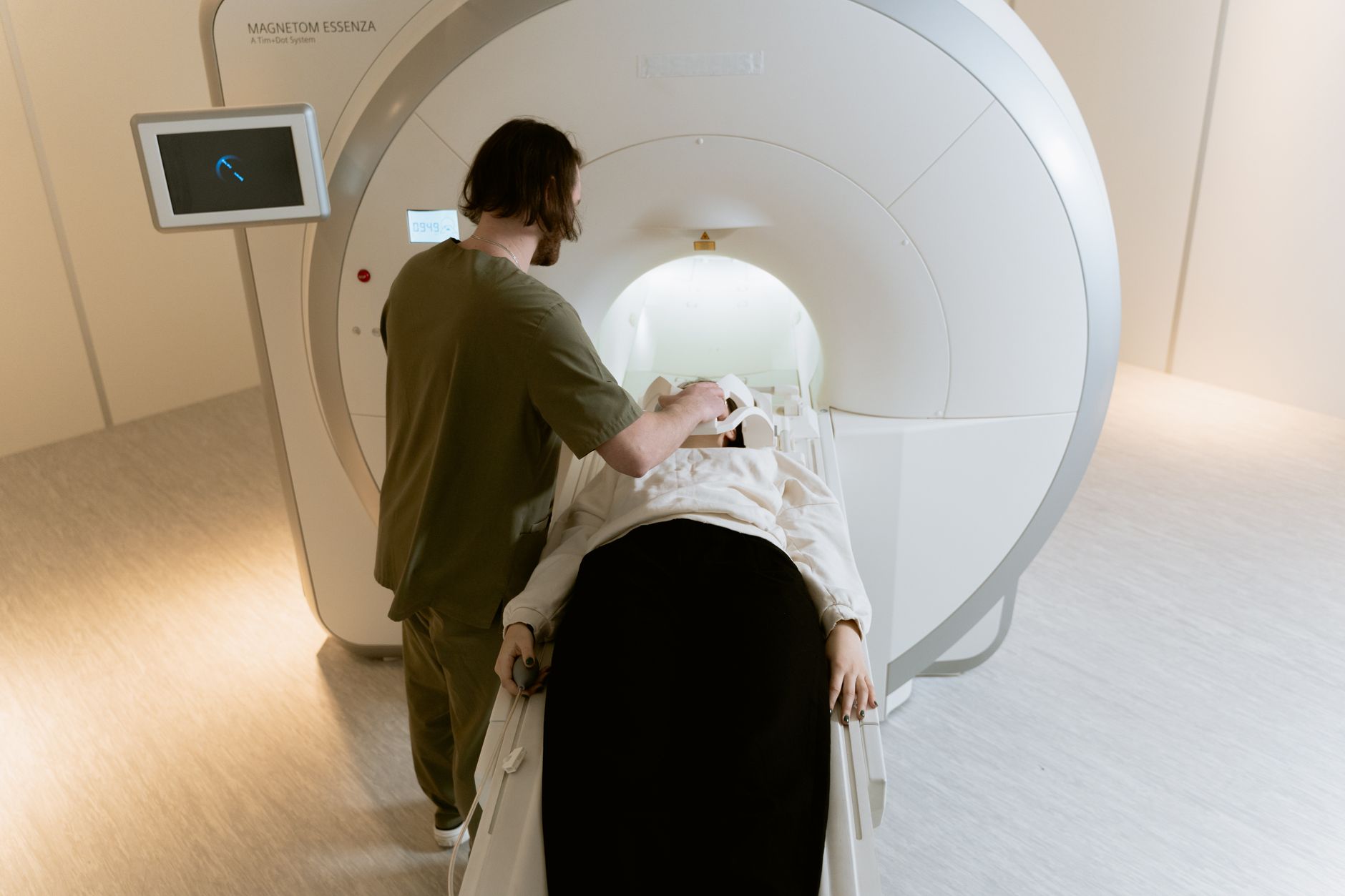
Neuroimaging (MRI or CT) does not show Parkinson’s disease itself but can rule out other causes of parkinsonism—like stroke, multiple system atrophy, or progressive supranuclear palsy—that might mimic akinetic-rigid features. The distinction matters because some atypical parkinsonian syndromes progress much more rapidly and respond poorly to dopamine therapy. A functional imaging study called DaTscan can confirm dopamine deficiency in the striatum, supporting the Parkinson’s diagnosis, but it is expensive and not always necessary if the clinical picture is clear. One caveat: akinetic-rigid PD can be clinically indistinguishable from other parkinsonian syndromes early on, which is why follow-up visits and response to levodopa are important diagnostic clues.
Treatment Challenges Specific to Akinetic-Rigid Parkinson’s
Levodopa (the primary dopamine replacement therapy) works well for akinetic-rigid symptoms, but the therapeutic window is narrower and more fragile than in tremor-dominant cases. People with this subtype often require higher doses and experience shorter “on” periods—times when the medication is effectively controlling symptoms. Motor fluctuations (periods when medication wears off and symptoms return suddenly) emerge earlier in akinetic-rigid disease, often within 3-5 years of starting levodopa, compared to 7-10 years in tremor-dominant patients.
Freezing of gait is a particularly difficult motor complication that emerges frequently in akinetic-rigid PD. A person walking normally will suddenly feel as though their feet are “glued” to the floor, and they cannot resume walking without specific strategies—visual cues, auditory rhythms, or simply stepping backward then forward again. Freezing is only partially responsive to medication and requires physical therapy techniques and environmental modifications. Another challenge is that as the disease progresses, the non-motor symptoms (cognitive decline, depression, sleep disturbance) often become as disabling as the motor symptoms, requiring treatment with multiple medication classes that can interact in complex ways.
Progression Patterns in Akinetic-Rigid Parkinson’s
Akinetic-rigid PD progresses faster than tremor-dominant presentations, with functional decline occurring over a 7-10 year span versus 15-20 years for tremor-dominant cases. By 10 years into the disease, many akinetic-rigid patients require assistive devices for walking and have experienced multiple falls. Cognitive changes develop earlier and more severely: executive function (planning, decision-making) and processing speed decline, and in 20-30% of patients, dementia becomes a significant feature. A person might remain physically alert but become unable to manage finances or make medical decisions independently.
Non-motor complications layer onto the motor decline. Sleep disturbances (insomnia, REM sleep behavior disorder, excessive daytime sleepiness) are nearly universal. Autonomic dysfunction—blood pressure drops when standing, constipation, urinary urgency—creates additional practical challenges. Depression and anxiety affect mood and motivation, sometimes requiring antidepressant medications that can worsen motor symptoms or interact unfavorably with Parkinson’s medications. The trajectory is often steeper than patients and families initially expect.
Managing Motor Complications and Long-Term Care Strategies
As akinetic-rigid PD advances, motor complications require escalating interventions. Extended-release levodopa formulations, dopamine agonists, MAO-B inhibitors, and COMT inhibitors are added sequentially to extend “on” time and smooth out motor fluctuations. Deep brain stimulation (DBS) surgery is considered when motor complications no longer respond adequately to medication optimization, typically after 4-8 years of disease. DBS can be highly effective for freezing, rigidity, and bradykinesia, though cognitive side effects and surgical risks require careful patient selection.
Physical and occupational therapy remain essential throughout the disease course. Strategies like using a walker with a laser pointer (visual cues help overcome freezing), practicing high-amplitude movements, and using rhythmic auditory cues (a metronome or music) can temporarily restore movement function during “off” periods. Speech and swallowing therapy addresses dysarthria (slurred speech) and dysphagia (swallowing difficulty) that become increasingly prominent. Home modifications—removing throw rugs, installing grab bars, widening doorways for walkers—prevent falls and maintain safety. A person in mid-stage akinetic-rigid PD might benefit from a day program three times weekly, where physical therapy, social interaction, and structured activity slow functional decline and maintain dignity.
Frequently Asked Questions
Is akinetic-rigid Parkinson’s more serious than tremor-dominant Parkinson’s?
It tends to be more rapidly progressive and causes greater motor disability earlier, but “more serious” depends on individual disease course. Some tremor-dominant patients experience severe outcomes; some akinetic-rigid patients remain functional longer than expected. Both types require individualized management.
Why does akinetic-rigid Parkinson’s take longer to diagnose?
Because patients and doctors often attribute slowness and stiffness to aging, arthritis, or depression rather than recognizing the neurological pattern. The absence of tremor—the symptom most people associate with Parkinson’s—can delay diagnosis by months or years.
Can medications stop the progression of akinetic-rigid Parkinson’s?
No. Medications manage symptoms but do not slow or stop the underlying neurodegeneration. Over time, medication effectiveness plateaus and complications emerge that medications alone cannot address.
Is freezing of gait common in akinetic-rigid Parkinson’s?
Yes, it emerges in 50-60% of akinetic-rigid patients within 5-10 years and is often severe. Tremor-dominant patients experience freezing less frequently and typically later in disease.
What is the role of physical therapy in akinetic-rigid Parkinson’s?
Physical therapy teaches movement strategies (high-amplitude movements, visual/auditory cuing) that bypass the damaged motor circuits and restore temporary function. Regular therapy slows functional decline and reduces fall risk.