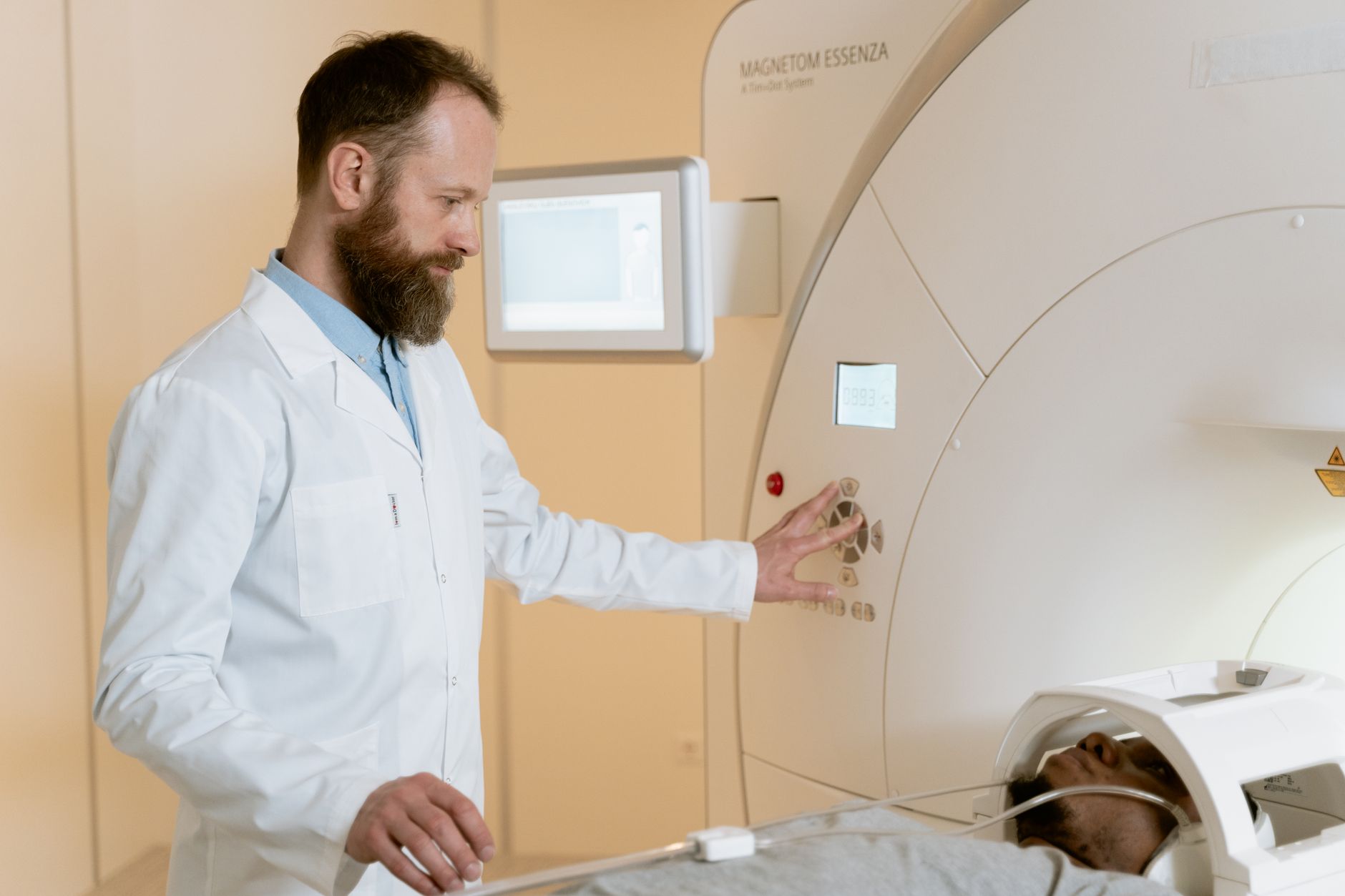
No, Parkinson’s disease cannot currently be cured, but this doesn’t mean the condition is static or unmanageable. While researchers continue investigating potential disease-modifying treatments and researchers have made progress in understanding Parkinson’s at the cellular level, present-day medicine offers no cure that stops or reverses the underlying neurological damage. However, the available treatments—medications, surgical interventions, and lifestyle modifications—can significantly reduce symptoms and help many people maintain quality of life for years or decades after diagnosis.
The distinction between symptom management and cure matters because it shapes expectations and treatment planning. A 65-year-old diagnosed with Parkinson’s five years ago may be living independently, working part-time, and managing tremor and stiffness well with medication, even though the disease itself is progressing at a cellular level. Understanding what can and cannot be treated helps patients and caregivers focus on realistic, achievable goals rather than waiting for a cure that doesn’t yet exist.
Table of Contents
- Why Parkinson’s Disease Remains Incurable Today
- Current Treatments That Manage Symptoms Without Curing
- Symptom Progression and What Changes Over Time
- Lifestyle Factors and What Patients Can Actually Control
- Genetic Research and Future Directions
- The Role of Early Detection and Diagnosis
- Living With Parkinson’s as a Chronic but Manageable Condition
Why Parkinson’s Disease Remains Incurable Today
parkinson‘s involves the death of dopamine-producing neurons in a part of the brain called the substantia nigra. Once these nerve cells die, current medical interventions cannot replace them or reverse that damage. Medications like levodopa boost the amount of dopamine available to remaining neurons, effectively masking symptoms, but they don’t stop the underlying cell death or restore lost neurons. This is why Parkinson’s symptoms typically worsen over time despite medication, and why people often need dose adjustments or additional medications as the disease progresses.
The complexity of the brain makes restoring these lost neurons technically difficult. Unlike a broken bone that can be surgically repaired or an infection that antibiotics can clear, damaged neurons cannot be regenerated using current technology. Some experimental approaches—including stem cell therapy and gene therapy—show promise in laboratory and early-stage human studies, but none have yet proven safe and effective enough for widespread clinical use. A Phase 2 clinical trial of a gene therapy approach started in 2023, but results won’t be available for several years.
Current Treatments That Manage Symptoms Without Curing
The most common medication, levodopa (also called L-dopa), crosses the blood-brain barrier and gets converted to dopamine, partially restoring the chemical balance disrupted by dying neurons. For many newly diagnosed patients, levodopa dramatically improves tremor, rigidity, and slowness of movement within days or weeks. However, its effectiveness typically declines over years as more neurons die, and people often experience “wearing off” periods where symptoms return before the next dose is due. A person taking levodopa four times daily at age 70 might need five or six doses by age 75, and some patients eventually reach a point where increasing the dose further causes disruptive side effects like involuntary movements called dyskinesia.
Deep brain stimulation (DBS) is a surgical option for people whose symptoms no longer respond adequately to medication. A neurosurgeon implants electrodes in specific brain regions and connects them to a pulse generator (similar to a pacemaker), which sends electrical signals to disrupt the abnormal firing patterns associated with Parkinson’s. DBS can reduce tremor, rigidity, and slowness by 50 to 70 percent in appropriate candidates, and it can reduce the amount of medication needed. However, DBS is not a cure—it only manages symptoms—and it carries surgical risks including infection, bleeding, and hardware malfunction. Insurance typically covers DBS only after patients have tried and tolerated medications, and it works best in people who have had a clear response to levodopa earlier in their disease.
Symptom Progression and What Changes Over Time
Parkinson’s follows no single predictable path. Some people experience primarily motor symptoms (tremor, stiffness, slowness) for many years, while others develop cognitive changes or mood disorders earlier. A 55-year-old with Parkinson’s might remain employed and relatively independent for 10 years, while another person diagnosed at the same age might face significant disability within 5 years. The rate of progression varies based on age at diagnosis (older diagnosis often means faster progression), genetic factors, general health, and possibly environmental exposures, but doctors cannot predict an individual’s trajectory at the time of diagnosis.
Non-motor symptoms often receive less attention than motor ones but can significantly affect quality of life. Depression, anxiety, sleep disruption, constipation, and cognitive slowing are common and treatable but sometimes develop before or alongside movement symptoms. A person might notice they can no longer smell coffee or flowers (a common early sign) or experience REM sleep behavior disorder years before tremor appears. These varied presentations mean that “managing Parkinson’s” looks different for each person, and treatment plans need regular adjustment as symptoms change.
Lifestyle Factors and What Patients Can Actually Control
While neither exercise nor diet can cure Parkinson’s or stop its progression, both can influence symptom severity and quality of life. Regular aerobic exercise and resistance training appear to slow the rate of motor decline more than medication alone. A study following people with early-stage Parkinson’s found that those who exercised three or more times weekly showed less decline in motor function over two years compared to less active peers on the same medications. Physical therapy, occupational therapy, and speech therapy are not cures but are evidence-based interventions that help people maintain mobility, independence in daily tasks, and communication ability.
Sleep quality, stress management, and social engagement also matter. Poor sleep worsens Parkinson’s symptoms and can accelerate cognitive decline, while consistent sleep hygiene, even with medication support, helps some people feel more alert and functional. Cognitive engagement—learning new skills, solving puzzles, social interaction—does not cure the disease but may help preserve cognitive function longer than isolation and inactivity. The tradeoff is that maintaining these lifestyle practices requires sustained effort, especially as mobility declines, and not every person has equal access to physical therapy, exercise facilities, or social support.
Genetic Research and Future Directions
Scientists have identified several genetic mutations associated with Parkinson’s (including in LRRK2, GBA, and SNCA genes), and people carrying these mutations have higher risk of developing the disease. This genetic understanding has opened new research avenues, including clinical trials of medications targeting specific genetic pathways. However, genetics explains only about 10 to 15 percent of Parkinson’s cases; most people with the disease have no known genetic cause, making it difficult to develop a one-size-fits-all cure. A person diagnosed with Parkinson’s because they carry a LRRK2 mutation might potentially benefit from future LRRK2-targeted therapy, while someone with sporadic Parkinson’s would need different approaches.
Gene therapy trials are underway but remain experimental. These approaches aim to slow or stop neurodegeneration rather than cure existing damage, and success would likely mean slowing disease progression by months or a few years rather than eliminating the disease entirely. Clinical trials require years of data to prove safety and efficacy, and even promising results in early trials often fail to replicate in larger populations. A therapy that looks promising in a Phase 2 trial with 50 participants might not reach approval even if it advances through Phase 3 testing.
The Role of Early Detection and Diagnosis
Earlier diagnosis does not cure Parkinson’s, but it may offer advantages in managing the disease. People identified in early stages can start medications sooner if symptoms warrant treatment, potentially prolonging the time before disability interferes with work or independence.
Some doctors now use biomarkers—measurable signs of Parkinson’s pathology in blood or cerebrospinal fluid—to identify people at high risk of developing symptoms, though this screening is not routine and the clinical utility of early detection before symptoms appear remains unclear. The benefit of knowing you have early-stage Parkinson’s years before symptoms emerge is uncertain; some people value the chance to plan, while others experience anxiety from living with a disease label without yet having functional limitations.
Living With Parkinson’s as a Chronic but Manageable Condition
Parkinson’s is a long-term condition, not a terminal illness in the early and middle stages. Many people with Parkinson’s live 15 to 20 years or longer after diagnosis, and some die of unrelated causes before Parkinson’s-related complications become severe. Modern medications and interventions have extended the lifespan and improved quality of life compared to decades past, even though they cannot cure the disease.
A 60-year-old diagnosed today with adequate access to care, supportive family, and good medication response has realistic prospects of maintaining employment, hobbies, and social relationships for many years. The research pipeline includes multiple experimental approaches—neuroprotective drugs, immunotherapy, and targeted genetic interventions—but none have yet crossed the finish line into approved treatments that demonstrably cure or halt Parkinson’s. Clinical trials are ongoing in hospitals and research centers worldwide, and patients interested in participating can search ClinicalTrials.gov for active studies in their area. Enrollment in trials is voluntary, and participants should understand that experimental treatments may not help them personally, though their data contributes to understanding the disease.
- —