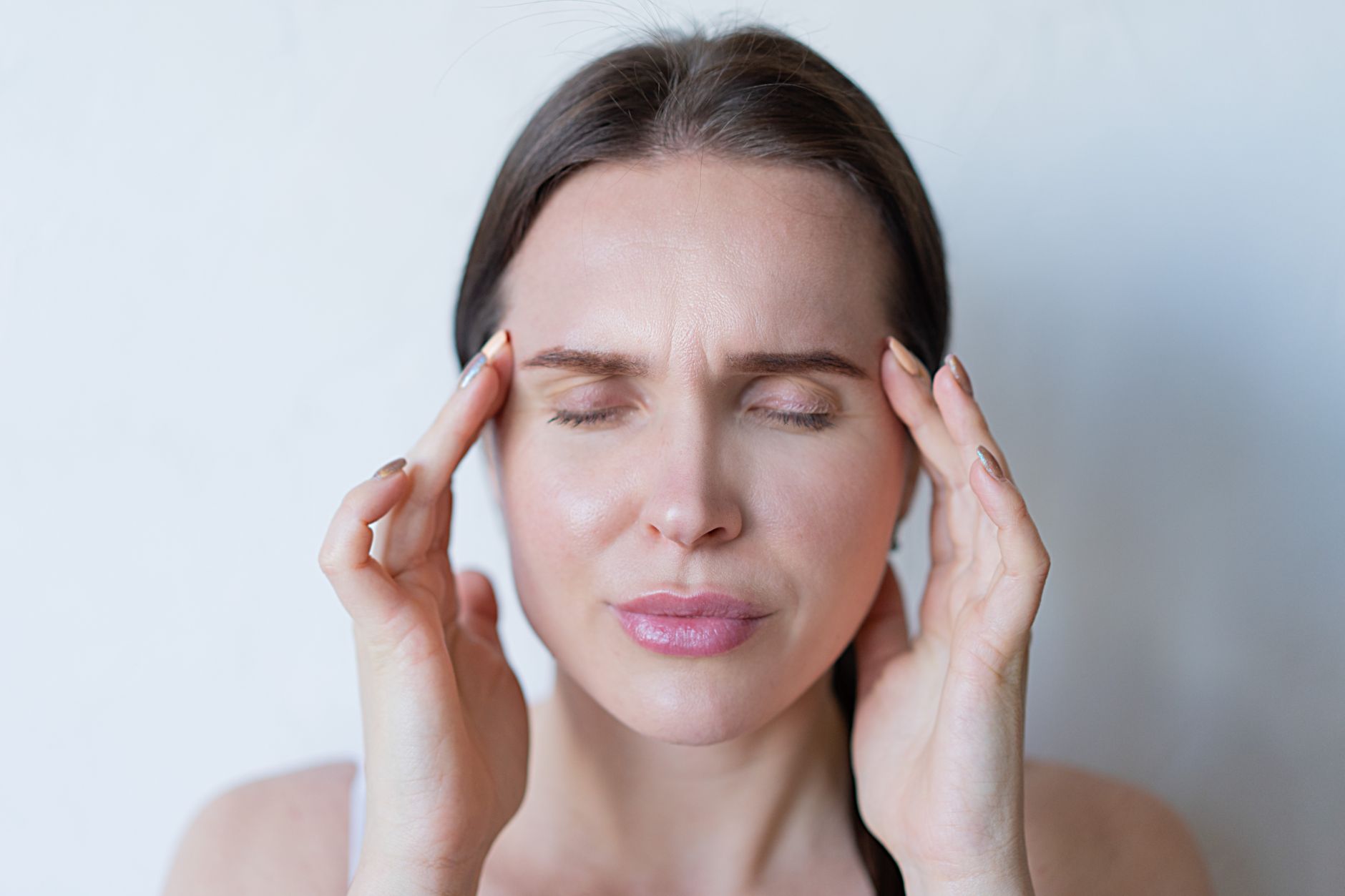
Yes, subtle facial changes can occur before a Parkinson’s diagnosis, and they’re often among the first signs that something is changing neurologically. These changes typically involve reduced facial expression, alterations in eye blinking patterns, and changes in the muscles that control the mouth and jaw. A person might notice they’re smiling less frequently, or family members might comment that their face seems more “frozen” or expressionless than it used to be—these observations are not imagined, but rather reflect real neurological shifts happening in the brain. Parkinson’s disease affects dopamine-producing neurons in the substantia nigra, a region of the brain involved in motor control and facial expression.
Before the classic motor symptoms like tremor appear, facial changes can signal that this neurological process has already begun. For some people, these subtle changes are so gradual that they go unnoticed for months or even years. For others, family members spot the difference before the person experiencing the changes recognizes what’s happening. Understanding these pre-diagnosis facial changes is important because they can be an early clue to seek medical evaluation, potentially leading to earlier diagnosis and more time to plan treatment strategies. They’re also important for caregivers and family members to recognize, since noticing these changes can prompt a person to discuss their symptoms with a doctor.
Table of Contents
- What Are the Facial Expression Changes Associated with Early Parkinson’s?
- Changes in Blinking Patterns and Eye Movement
- Jaw Tremor and Mouth Movement Changes
- Timing: When Do These Facial Changes Appear Relative to Diagnosis?
- The Challenge of Distinguishing Facial Changes from Other Causes
- Facial Changes and Cognitive Perception
- Recognizing the Pattern Across Multiple Facial Features
What Are the Facial Expression Changes Associated with Early Parkinson’s?
Reduced facial expression, sometimes called “masked face” or hypomimia, is one of the most common facial changes in Parkinson’s disease, and it often develops before other motor symptoms appear. In the early stages, this doesn’t mean a person’s face is completely immobile—instead, there’s a noticeable decrease in the natural movements and expressions that normally punctuate conversation and emotion. Smiles fade more quickly. Eyebrows raise less often. The subtle micro-expressions that normally flicker across the face during conversation become less frequent. This happens because Parkinson’s affects the automatic motor systems in the brain that control facial movements.
Unlike intentional movements—which a person can often still perform if they consciously think about them—these automatic expressions are driven by the same neural pathways that Parkinson’s disease disrupts. One person in the early stages might report that when they look in the mirror and deliberately smile, they can still do it, but in natural conversation, their face stays relatively still. This disconnect between voluntary and automatic facial control is a hallmark of pre-diagnosis Parkinson’s. The facial expression changes can sometimes be mistaken for depression or lack of interest, which is a limitation of relying on facial expression alone for assessment. A person with early Parkinson’s might be emotionally engaged and interested in a conversation but appear emotionally flat to an observer. This misinterpretation can delay diagnosis or lead to mental health evaluations when the actual cause is neurological.
Changes in Blinking Patterns and Eye Movement
Alterations in blinking are another facial change that can appear before Parkinson’s diagnosis, and this change is measurable and consistent. People with early Parkinson’s often blink less frequently than they did before—sometimes significantly less. A normal person blinks about 15-20 times per minute during waking hours, but someone in early Parkinson’s might blink only 8-10 times per minute, or sometimes even fewer. This reduced blinking happens because the same dopamine-depleted neural circuits that affect facial expression also affect the automatic control of eye blinking. The reduced blinking can lead to dry eyes, eye irritation, and a characteristic “stare” or fixed gaze that observers might notice.
Some people describe it as looking more intense or concentrating harder than usual, when in reality the person is simply blinking less. Eye movements can also become slower and less fluid, a change called hypometric saccades, which means the eyes don’t move as smoothly or completely when tracking objects or scanning a scene. These eye movement changes happen before the more dramatic Parkinson’s motor symptoms develop. One important limitation to understand is that reduced blinking can also be caused by other conditions, medications (particularly antipsychotics), or even fatigue and stress. So while reduced blinking is a notable facial change, it’s not unique to Parkinson’s and would need to be evaluated alongside other symptoms to support a diagnosis.
Jaw Tremor and Mouth Movement Changes
A tremor affecting the jaw or lips can be one of the earliest facial manifestations of Parkinson’s, sometimes appearing years before other motor symptoms. This tremor is typically very subtle—it might look like a slight vibration or quivering of the lips or jaw, especially when the person is at rest. Unlike the hand tremor that’s more commonly associated with Parkinson’s, jaw or lip tremor often goes unnoticed by the person experiencing it because it doesn’t significantly interfere with function. A family member might notice it while the person is watching television or concentrating on something, when their facial muscles are relaxed. Changes in the ability to control mouth and jaw movements can also appear early.
Some people notice difficulty with precise movements like pursing their lips or forming certain sounds. Speech might become slightly slurred or quieter before any formal diagnosis of Parkinson’s is made. The muscles involved in articulation are controlled by the same motor pathways affected by dopamine loss, so speech changes are closely related to the other facial changes occurring at the same time. One specific example: a person might find that when they try to speak clearly during a phone call, they have to concentrate more to make sure they’re articulating properly, or they might be told by the listener that they’re harder to hear. This isn’t just a temporary issue—it’s a persistent change that gradually worsens over months.
Timing: When Do These Facial Changes Appear Relative to Diagnosis?
The timing of facial changes varies considerably from person to person, which is both an advantage and a challenge for early recognition. For some people, facial changes are among the very first symptoms, appearing 2-5 years before other motor symptoms become noticeable enough to prompt a medical evaluation. For others, facial changes develop around the same time as tremor or rigidity. And for some, facial changes are so subtle that they’re only recognized retrospectively, after diagnosis, when the person or their family looks back and realizes that changes had been occurring. A comparison can be helpful here: think of facial changes in early Parkinson’s as similar to the way gradual hearing loss develops in aging.
Someone might not notice their own hearing is changing, but people they interact with regularly might notice they’re asking “what?” more often. Similarly, the person with developing Parkinson’s facial changes might not notice their own expression is flattening, but family members who see them regularly might remark on it. This observer-noticed pattern is actually quite common in early Parkinson’s. The variability in timing means that facial changes alone are not a reliable predictor of when someone will develop other Parkinson’s symptoms. A person might have noticeably reduced facial expression for several years while remaining otherwise physically active and unaffected by tremor or rigidity.
The Challenge of Distinguishing Facial Changes from Other Causes
One significant limitation in using facial changes as a diagnostic clue is that many other conditions can produce similar changes. Myasthenia gravis, certain thyroid disorders, Bell’s palsy, depression, and other neurological conditions can all cause reduced facial expression or changes in blinking. Additionally, some medications—particularly antipsychotics and certain antidepressants—can produce facial changes that mimic Parkinson’s. This means that noticing facial changes should prompt medical evaluation, but the changes themselves are not diagnostic.
Another consideration is that normal aging itself involves changes in facial expressiveness and skin elasticity. Drawing a line between normal aging-related changes and pathological Parkinson’s-related changes can be difficult, particularly in older adults. A person in their 70s might have reduced facial expression and slower eye movements that are partially due to aging and partially due to early Parkinson’s, making it hard to identify which is which without additional evaluation. Healthcare providers evaluate facial changes in the context of other symptoms and findings, using tools like the Unified Parkinson’s Disease Rating Scale, which includes assessment of facial expression. But for someone noticing changes in themselves or a loved one, the key is to recognize that persistent, progressive facial changes warrant a medical evaluation.
Facial Changes and Cognitive Perception
An important distinction to make is that facial changes in early Parkinson’s don’t reflect changes in mood, cognition, or personality—at least not directly. A person with early Parkinson’s who has a markedly reduced facial expression is not necessarily sad, disengaged, or cognitively declining. Their facial changes are a motor symptom, driven by dopamine deficiency in motor-control circuits.
This is a crucial point for family members and caregivers, because misinterpreting facial flatness as depression can lead to inappropriate treatment and missed diagnosis. Some research suggests that people with Parkinson’s may have difficulty interpreting facial expressions in others as well, beyond just producing their own expressions. This adds another layer to the facial changes—not only is expression production affected, but expression recognition might also be subtly altered early on.
Recognizing the Pattern Across Multiple Facial Features
Rather than relying on any single facial change, a more useful approach is to recognize a constellation of changes occurring together. Someone developing early Parkinson’s might show reduced expression, reduced blinking, a subtle jaw tremor, and slightly slower or quieter speech all appearing over the course of months. The pattern—multiple facial features changing in parallel—is more meaningful than any single observation. One person who has worked with Parkinson’s patients for many years can often recognize this pattern in a way that prompts them to suggest medical evaluation, even when no single symptom seems dramatic enough to warrant concern on its own.
The facial changes of early Parkinson’s are progressive but gradual, and they unfold against the backdrop of normal human variation in facial expressiveness. Some people are naturally more expressive than others, and some naturally blink less frequently. The key clinical indicator is change from the person’s own baseline—noticing that someone is less expressive than they used to be, or blinks less than they used to, or that multiple facial features have shifted in a consistent direction over time. This is why observations from family members and close contacts are often valuable in early recognition.
- —