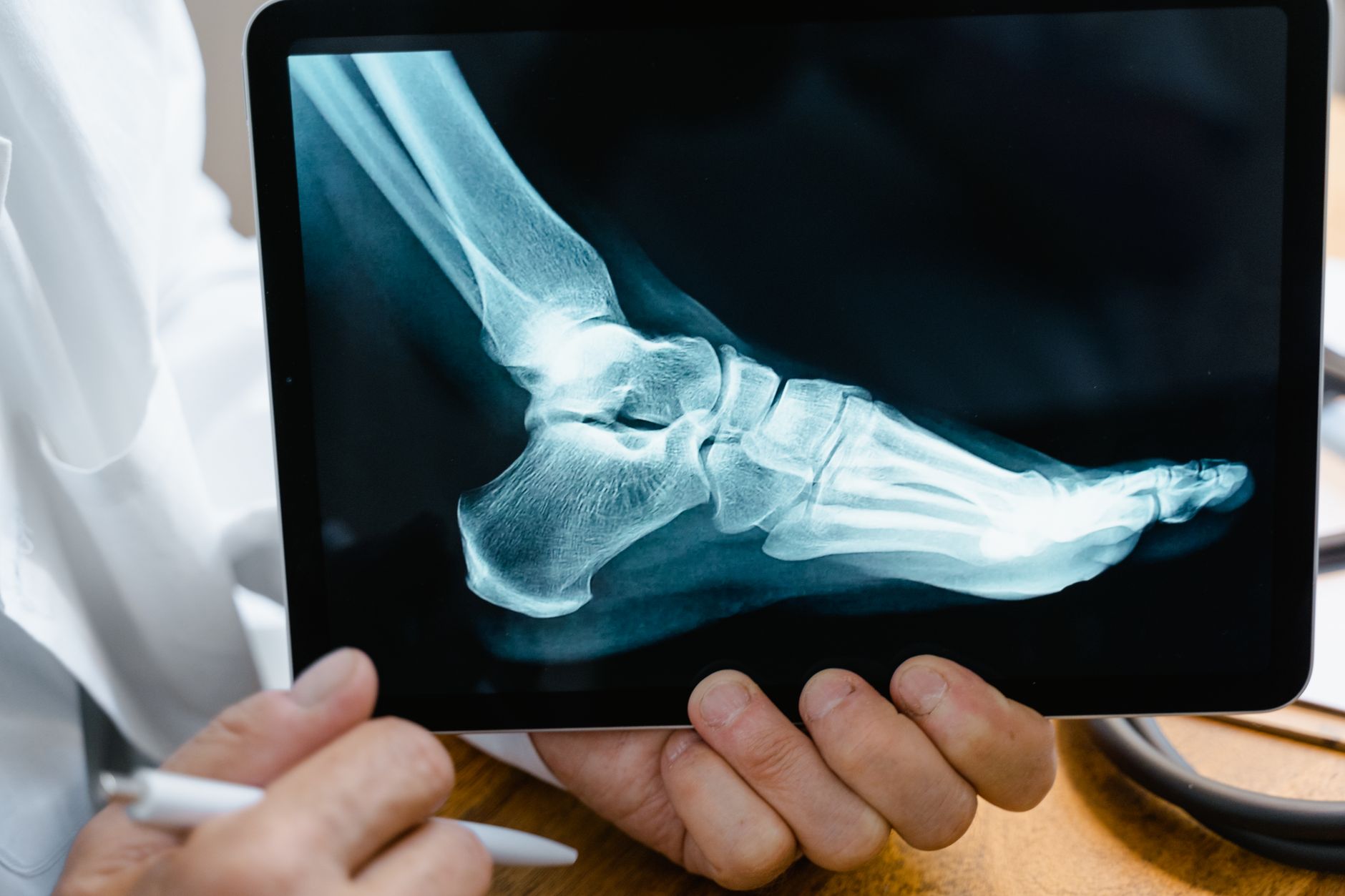
Yes, foot dragging can be an early sign of Parkinson’s disease, but it’s not unique to Parkinson’s and rarely appears in complete isolation. Foot dragging—the tendency to shuffle or scuff the sole of your shoe along the ground while walking—often emerges in the early stages of Parkinson’s as part of a group of movement changes collectively called “hypokinesia,” or reduced movement. A person in their 60s might notice that their gait feels slightly off, that they’re not lifting their feet as high as they used to, or that their walking shoes show unexpected wear on the toes because of this scraping contact with the ground.
The critical distinction is this: foot dragging in Parkinson’s is one symptom among several motor changes, not a standalone finding. It frequently appears alongside subtle tremor, stiffness, or slowness of movement. Many conditions—normal aging, arthritis, balance problems, or neurological disorders other than Parkinson’s—can produce similar symptoms. This is why foot dragging alone should never lead to a Parkinson’s diagnosis; it’s the overall pattern of movement changes, combined with specific clinical features and sometimes imaging, that leads doctors to consider Parkinson’s.
Table of Contents
- How Foot Dragging Develops in Parkinson’s Disease
- The Difference Between Parkinson’s Foot Dragging and Other Causes
- When Foot Dragging Appears in the Parkinson’s Timeline
- What to Do If You Notice Foot Dragging
- Other Motor Symptoms That Often Accompany Foot Dragging
- How Physical Therapy Addresses Foot Dragging
- Medication Response and Long-Term Foot Dragging
- Frequently Asked Questions
How Foot Dragging Develops in Parkinson’s Disease
Foot dragging in Parkinson’s arises from the disease’s core neurological problem: loss of dopamine-producing neurons in the substantia nigra, a region deep in the brain that controls movement. Without sufficient dopamine, the brain’s motor control system loses its precision and fluidity. The body struggles to initiate and execute smooth, coordinated movement. Walking, which most people perform automatically without thought, becomes a conscious, effortful process in Parkinson’s.
The mechanics involve what neurologists call “reduced stride length” and “loss of arm swing.” A person with Parkinson’s-related foot dragging takes smaller steps and lifts their feet less high off the ground. The foot doesn’t clear the floor completely, so it contacts the ground before fully clearing, creating that characteristic shuffle or scuff. One patient described it as “walking like my shoes are made of lead, and my legs don’t want to follow my brain’s commands.” This shuffling gait can appear within months of other early symptoms, or it may be one of the first noticeable changes. Unlike a voluntary action you can correct with conscious effort, foot dragging in Parkinson’s persists even when the person is aware of it and tries to lift their feet higher. This distinguishing feature—reduced automatic movement that doesn’t fully respond to conscious correction—reflects the damage to the brain regions controlling automatic, habitual movement.
The Difference Between Parkinson’s Foot Dragging and Other Causes
Foot dragging and shuffling occur in numerous conditions, which is a crucial limitation to remember: a doctor cannot diagnose Parkinson’s based on foot dragging alone. People with severe arthritis in the hip or knee often adopt a shuffling gait to minimize pain. Elderly individuals with balance problems may drag their feet to stay grounded and prevent falls. Stroke survivors frequently show one-sided foot dragging due to muscle weakness.
Patients with cerebellar ataxia (loss of coordination) shuffle because their cerebellum, which controls balance and coordination, is damaged. The common feature across all these is that the foot dragging usually improves or resolves if the underlying cause—arthritis pain, balance recovery, stroke rehabilitation—is treated. In Parkinson’s, the foot dragging has a distinctive quality: it’s symmetric (affecting both sides relatively equally, though early Parkinson’s is often asymmetric), it’s accompanied by other bradykinesia signs (slowness of movement), and it tends to worsen over time without intervention. Parkinson’s foot dragging often responds partially to dopamine replacement therapy with levodopa, whereas shuffling from arthritis does not. A limitation in using foot dragging as a diagnostic clue is that it doesn’t develop in all Parkinson’s patients at the same stage—some develop it years into the disease, and others may never develop a pronounced shuffle.
When Foot Dragging Appears in the Parkinson’s Timeline
Foot dragging can emerge at any stage of Parkinson’s, though it’s most common in the early-to-moderate stages (roughly years 2 to 7 after diagnosis, though the timeline varies widely). For some people, it’s among the very first motor symptoms they notice, appearing within the first year alongside tremor or stiffness. For others, it develops more gradually as the disease progresses and dopamine levels continue to decline. One patient reported that foot dragging appeared almost suddenly after about three years of experiencing mild tremor in his left hand; he didn’t notice the shuffling gait until he caught his toe on a carpet while walking across his living room.
The onset of foot dragging can signal a shift in the disease’s progression. In early Parkinson’s, when symptoms are mild and often one-sided, foot dragging may not be present. Once it appears, it often indicates that the motor symptoms are becoming more widespread and affecting coordination and automatic movement patterns. This doesn’t mean the disease is progressing dangerously—rather, it’s a signal that the clinical pattern is broadening, and treatment adjustments might be beneficial.
What to Do If You Notice Foot Dragging
If you notice yourself or a loved one dragging a foot or shuffling while walking, the first step is to report this change to your neurologist or primary care doctor. Don’t wait for foot dragging to worsen or for other symptoms to develop. Documenting when the dragging started, whether it affects one foot or both, and whether it seems to get better or worse at certain times of day (e.g., when medication wears off) gives your doctor valuable information. Taking a short video of yourself walking can be a helpful reference; doctors often ask patients to demonstrate gait changes, and video evidence can capture details that are hard to describe in words.
Practically speaking, foot dragging increases fall risk. Trips and falls are common complications in Parkinson’s, and a dragging foot makes stumbling more likely. Adapting your environment can help: remove trip hazards like loose rugs, ensure good lighting along walkways, wear well-fitting shoes with non-slip soles, and consider using a cane or walker if your balance feels compromised. Physical therapy specifically targeting gait—using techniques like visual cues (lines painted on the floor to step over) or rhythmic auditory cues (walking to a beat)—has strong evidence for reducing shuffling and improving stride length in Parkinson’s patients.
Other Motor Symptoms That Often Accompany Foot Dragging
Foot dragging rarely exists in isolation in Parkinson’s disease. It typically appears alongside other motor symptoms such as rigidity (muscle stiffness), bradykinesia (slowness of movement), tremor, and postural instability (impaired balance). A warning: this combination of multiple motor signs—not just dragging alone—is what raises clinical suspicion for Parkinson’s. A person might experience foot dragging with stiffness and slowness but no tremor, or dragging with tremor but initially minimal stiffness. The specific combination varies.
Loss of arm swing is often concurrent with foot dragging. Normally, when you walk, your arms swing naturally. In Parkinson’s, this automatic arm swing diminishes or disappears. A patient might notice that their right arm swings less, or stops swinging altogether, around the same time they begin to drag their right foot. Facial expression may also become reduced (a “masked” appearance), and voice quality may soften. These additional changes, especially when they cluster together, substantially increase the likelihood that foot dragging is part of a Parkinson’s disease pattern rather than an isolated symptom of another condition.
📨 Get Free Parkinson's Guides Alerts
Free · No spam · Unsubscribe anytime
How Physical Therapy Addresses Foot Dragging
Physical therapy is one of the most effective non-medication approaches to managing foot dragging in Parkinson’s. A specialized physical therapist (ideally one with Parkinson’s experience) designs exercises to improve stride length, reinforce the motor patterns needed for higher foot clearance, and strengthen the hip flexors and other muscles involved in lifting the feet. Specific techniques like cueing—using external rhythmic or visual signals—help bypass the damaged dopamine system and engage other brain pathways to produce movement.
For example, stepping over lines placed on the floor, or walking to the beat of a metronome or music, can dramatically improve gait in a Parkinson’s patient, even if medication levels haven’t changed. Some patients find that walking backward or walking sideways also helps, as these actions engage different motor pathways. The effect is often immediate during the therapy session but requires regular practice at home to maintain benefit.
Medication Response and Long-Term Foot Dragging
Levodopa and other dopamine agonist medications can reduce foot dragging in many Parkinson’s patients, especially early in the disease course when medication responsiveness is high. A patient starting levodopa might notice that their gait noticeably improves within days or weeks, with higher step length and less shuffling. However, this benefit can be inconsistent: as the disease progresses and medication doses are adjusted, some patients experience “wearing off” episodes where foot dragging returns as the medication’s effect fades, especially late in the dosing interval.
The research also shows that medication alone is insufficient to prevent or fully eliminate foot dragging in the long term. Combining medication with physical therapy produces better outcomes than either treatment alone. For advanced Parkinson’s patients, foot dragging may persist despite optimal medication because the disease has caused extensive dopamine loss. Deep brain stimulation, a surgical intervention for advanced Parkinson’s, can sometimes improve gait, but it is not specifically targeted at foot dragging and carries its own risks and limitations.
- —
Frequently Asked Questions
Is foot dragging always a sign of Parkinson’s disease?
No. Foot dragging can result from arthritis, stroke, balance problems, aging, or many other conditions. A medical evaluation and neurological examination are necessary to determine the cause.
Can foot dragging appear as the very first symptom of Parkinson’s?
Yes, though it’s less common than tremor or stiffness. Some people do notice shuffling or dragging early, but most often it appears alongside other motor changes.
Does foot dragging get worse if left untreated?
Yes. Without treatment and physical therapy, foot dragging typically worsens as Parkinson’s progresses. However, levodopa and physical therapy can help manage or improve it.
Can physical therapy alone stop foot dragging?
Physical therapy can significantly improve gait and reduce shuffling, especially when combined with medication. However, as Parkinson’s progresses, ongoing therapy and often medication adjustment are needed.
Is foot dragging an emergency?
Not by itself. However, severe shuffling increases fall risk, which can be dangerous. If foot dragging severely impacts your mobility or causes frequent falls, report it to your doctor promptly.
Does foot dragging happen on both sides of the body or just one?
Early Parkinson’s often shows asymmetric symptoms—affecting one side more than the other—but foot dragging can eventually affect both feet as the disease progresses. —
You Might Also Like
- Can Shoulder Stiffness Be an Early Sign of Parkinson’s?
- Can Constipation Be an Early Sign of Parkinson’s?
- Can a Softer Voice Be an Early Parkinson’s Symptom?