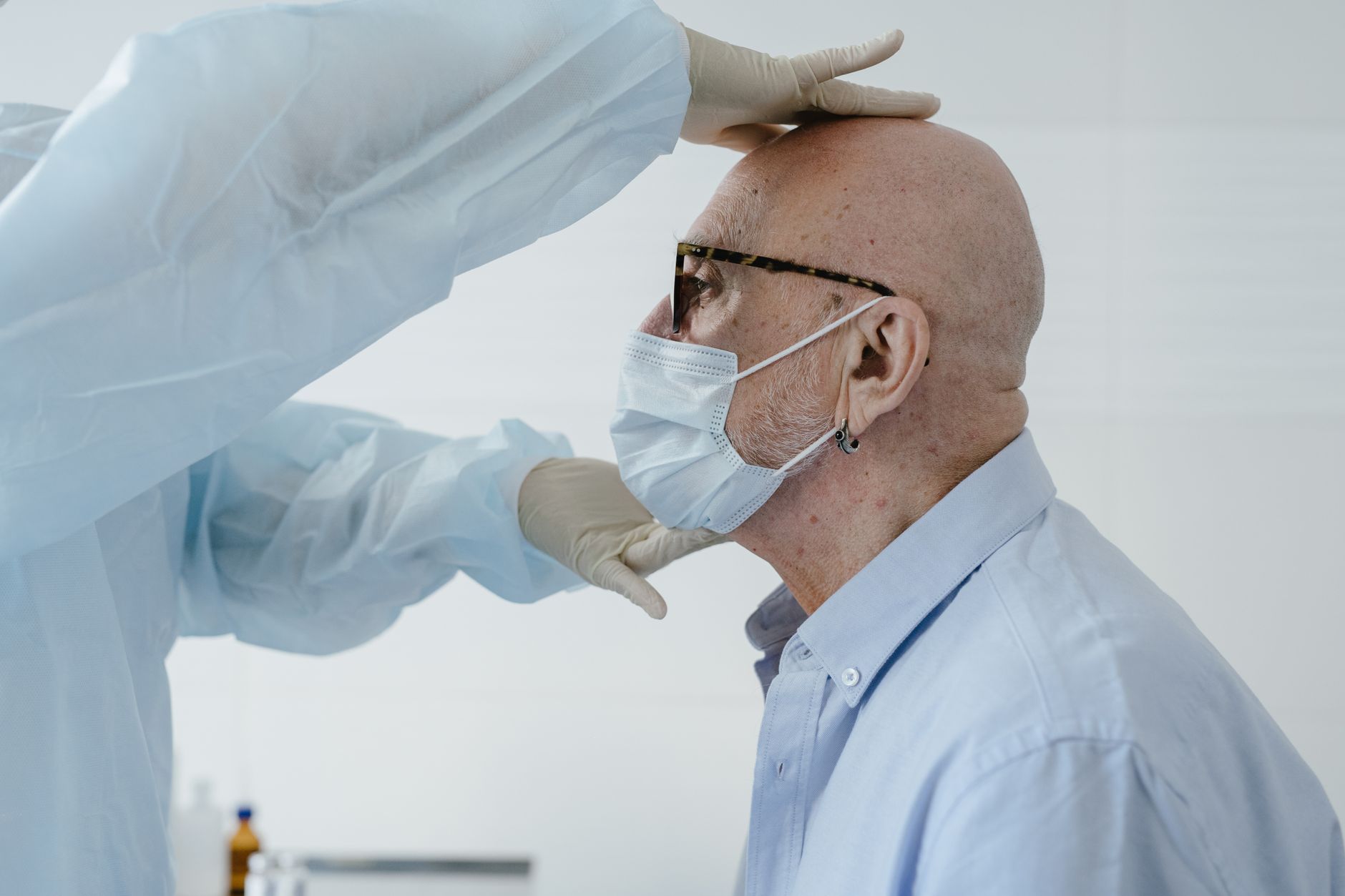
You should see a neurologist about possible Parkinson’s signs when you notice motor symptoms that persist for more than a few weeks—tremor at rest, stiffness, slowness of movement, or balance problems—especially if they’re affecting your daily function or appearing on only one side of your body. These aren’t symptoms to investigate alone with your primary care doctor; a neurologist, particularly one with movement disorder expertise, has the training to recognize Parkinson’s-specific patterns that internists often miss. For example, a 58-year-old man noticed his right hand shook when resting on his lap, his handwriting became smaller, and he felt stiff in his right shoulder.
His family doctor initially attributed it to stress, but when the tremor worsened and he began shuffling when walking, a neurology referral revealed early Parkinson’s disease—caught early enough that lifestyle interventions and medication options could be discussed before symptoms progressed further. The urgency depends on several factors: whether your symptoms are spreading to both sides of your body, whether you’re experiencing cognitive changes alongside motor symptoms, and whether you have a family history of Parkinson’s. A neurologist can order the specific tests and imaging that actually distinguish Parkinson’s from other conditions that mimic it, like essential tremor, drug-induced parkinsonism, or progressive supranuclear palsy. Waiting months or years for a diagnosis while symptoms worsen doesn’t give you time to plan treatment or lifestyle changes—it only allows the disease to progress unchecked.
Table of Contents
- What Motor Symptoms Signal It’s Time to See a Neurologist
- Risk Factors and When You Shouldn’t Wait
- The Neurological Examination and Diagnosis Process
- Preparing for Your Neurologist Appointment: What to Bring and Know
- Red Flags and When Neurological Evaluation Becomes Urgent
- Finding a Neurologist with Movement Disorder Expertise
- Starting Treatment and Ongoing Neurologist Care
- Frequently Asked Questions
What Motor Symptoms Signal It’s Time to See a Neurologist
The classic signs of Parkinson’s disease include a resting tremor (shaking when your hand is relaxed, not moving), rigidity (muscle stiffness that persists throughout movement), bradykinesia (slowness of voluntary movement), and postural instability (difficulty with balance and posture). If you have any combination of these lasting several weeks, especially if they started on one side of your body and haven’t improved, a neurologist appointment should be scheduled soon. Many people dismiss these symptoms as normal aging or stress-related, but Parkinson’s symptoms follow a specific pattern: they typically start asymmetrically (one side first) and progress gradually over months. Non-motor symptoms also warrant neurological evaluation. Constipation, sleep disturbances, loss of smell, and mood changes often precede motor symptoms by years in Parkinson’s disease.
If you’ve had a recent significant change in your sense of smell, new-onset depression, or sudden constipation alongside any subtle motor changes, these clusters suggest a neurologist should evaluate you. A 62-year-old woman lost her ability to smell coffee and developed depression, which her doctor treated with antidepressants, but when she started experiencing arm stiffness six months later, a neurologist recognized the pattern and diagnosed early-stage Parkinson’s—the smell loss and mood changes were early warning signs all along. The timeline matters significantly. Essential tremor, which is often confused with Parkinson’s tremor, remains stable or worsens very slowly over decades. Parkinson’s symptoms, by contrast, show measurable progression—tremor becomes more pronounced, stiffness spreads, or balance worsens—within weeks to months. If your symptoms are clearly progressing, don’t delay the neurologist visit hoping they’ll improve on their own.
Risk Factors and When You Shouldn’t Wait
Age is a major factor: Parkinson’s disease typically starts after age 60, though it can appear earlier. If you’re in your 50s or 60s and developing unexplained tremor or stiffness, earlier evaluation is justified because earlier diagnosis allows for earlier intervention. Family history increases risk significantly—if a parent, sibling, or child has Parkinson’s, your threshold for seeking neurological evaluation should be lower. Environmental exposure to pesticides, herbicides, or living near industrial areas also raises risk, and if you have that exposure history plus motor symptoms, you shouldn’t wait. One critical limitation: some neurologists practice in areas without movement disorder specialists, so availability matters.
If your local neurologist has a three-month wait and you’re experiencing rapidly worsening symptoms, consider traveling to a tertiary care center or university hospital with a movement disorders clinic. A 54-year-old man with a two-month history of worsening tremor and stiffness lived in a rural area where his neurologist was booked out four months. His symptoms progressed rapidly, making his work and driving increasingly difficult. Had he contacted the nearest university hospital two hours away, he could have been evaluated and started on medication two months earlier, potentially preventing some functional decline. The distinction between “concerning symptoms” and “urgent symptoms” is important. Symptoms that are worsening rapidly (noticeable progression week-to-week rather than month-to-month), causing significant functional impairment, or spreading to both sides of your body quickly deserve urgent attention—call for an expedited appointment rather than accepting a routine slot months away.
The Neurological Examination and Diagnosis Process
When you see a neurologist for suspected Parkinson’s, they won’t diagnose you based on a single test. Instead, they perform a detailed motor exam looking for the specific combination of signs: resting tremor, rigidity tested through passive movement, bradykinesia observed during timed finger-tapping or rapid hand movements, and postural stability tested with the pull test. They also examine eye movements, facial expression, and gait—Parkinson’s produces a characteristic “masked” face and shuffling gait that experienced neurologists recognize. The exam itself takes 20–40 minutes and provides more diagnostic information than any blood test or brain scan. Imaging tests like MRI or PET scans can rule out other conditions (like structural brain abnormalities or atypical parkinsonism), but they cannot definitively diagnose Parkinson’s disease. That diagnosis is still clinical, based on the neurologist’s assessment of your symptoms and exam findings.
A neurologist might order dopamine transporter imaging (DaTscan) if the diagnosis is uncertain, but this test is expensive, not always covered by insurance, and isn’t required for most straightforward cases. The neurologist might also refer you for neuropsychological testing if cognitive symptoms are present, since Parkinson’s dementia develops in some patients years after motor onset. A limitation to understand: some neurologists, particularly those without movement disorder subspecialty training, misdiagnose Parkinson’s as essential tremor or vice versa. Essential tremor appears with action (when you’re using your hands), while Parkinson’s tremor appears at rest. If a neurologist doesn’t thoroughly test for this distinction, diagnostic error is possible. Getting a second opinion from a movement disorders specialist is entirely reasonable if your initial diagnosis seems uncertain or if your symptoms don’t fit the expected Parkinson’s pattern.
Preparing for Your Neurologist Appointment: What to Bring and Know
Before your appointment, write down your symptoms in order of appearance—when did the tremor start, when did you first notice stiffness, when did your handwriting change? Include how your symptoms have progressed: are they stable, slowly worsening, or rapidly worsening? Note any family history of neurological disease, medications you’re taking (some medications can cause parkinsonism), and any recent exposures to pesticides or industrial chemicals. Bring this information in writing because neurologists review it closely, and details matter for diagnosis. Document your functional changes: Can you still button shirts? Is your handwriting becoming illegible? Are you falling? Is your sleep disrupted? Are you experiencing depression or anxiety? These specific examples help the neurologist understand the disease’s impact. Many patients downplay their symptoms in the moment, but written documentation prevents this.
A 67-year-old woman brought a video of her tremor, examples of her recent handwriting compared to old samples, and a list of activities she could no longer do—this concrete evidence helped the neurologist immediately recognize Parkinson’s disease where a verbal description alone might have created ambiguity. Bring your complete medication list, including over-the-counter medications and supplements, because some can mimic or worsen Parkinson’s symptoms. Antipsychotics, certain antiemetics (like metoclopramide), and some antidepressants can cause drug-induced parkinsonism, which mimics Parkinson’s disease but may resolve if the medication is stopped. Your neurologist needs to rule this out before making a diagnosis.
Red Flags and When Neurological Evaluation Becomes Urgent
Certain presentations require urgent neurological evaluation rather than waiting for a routine appointment. Rapid worsening of motor symptoms over days to weeks, sudden onset of cognitive changes (confusion, memory loss, or personality changes) alongside motor symptoms, or development of severe balance problems that cause falls should prompt a call to your neurologist asking for an urgent appointment or even emergency department evaluation. Atypical presentations like sudden-onset tremor in both hands simultaneously, or tremor that worsens with intentional movement (action tremor) rather than at rest, might indicate a different neurological condition entirely and need rapid evaluation. Falls are a warning sign. If balance impairment develops rapidly or you’re falling frequently, this suggests either advanced Parkinson’s disease or a different condition (atypical parkinsonism, stroke, or normal pressure hydrocephalus).
A 71-year-old man with early-stage Parkinson’s had been managed for two years without significant balance problems. When he suddenly began falling multiple times weekly, his neurologist discovered he had developed normal pressure hydrocephalus—a separate condition requiring different treatment. Rapid worsening of balance can indicate disease progression, but it can also signal a treatable separate problem, so it demands urgent evaluation. Cognitive decline combined with parkinsonism is also a warning pattern. Parkinson’s disease can eventually include cognitive impairment, but early dementia alongside motor symptoms might indicate Lewy body dementia or another atypical condition. If you’re experiencing confusion, hallucinations, or significant memory loss that developed suddenly or rapidly, this distinction matters because treatment approaches differ.
Finding a Neurologist with Movement Disorder Expertise
Not all neurologists specialize in movement disorders, and this specialization matters for accurate diagnosis. A general neurologist can recognize straightforward Parkinson’s disease, but if your presentation is atypical, if you’re younger than typical Parkinson’s patients, or if your diagnosis remains uncertain, you want a movement disorder specialist. These physicians have additional fellowship training specifically in conditions like Parkinson’s, dystonia, and tremor. They’re more likely to catch diagnostic errors and have greater expertise with medication adjustments and advanced therapies. Finding a movement disorders specialist requires some legwork.
If you live in or near a major city with a university medical center, that center almost certainly has a movement disorder clinic. If you live rurally, you might need to travel, but the investment in getting to a specialist for initial evaluation and diagnosis is worthwhile. Your primary care doctor should be able to refer you, or you can contact your state neurological society for a specialist list. The International Parkinson and Movement Disorder Society maintains a physician directory. If you’re struggling to find a specialist and your diagnosis is urgent, consider asking for a telemedicine consultation with a specialist at a distant institution—many now offer virtual visits.
Starting Treatment and Ongoing Neurologist Care
Once diagnosed, your neurologist becomes your ongoing partner in managing Parkinson’s disease. Initial management typically involves discussion of medication options—levodopa/carbidopa is the gold standard, though dopamine agonists and other medication classes are alternatives depending on your age, symptoms, and other health conditions. Your neurologist discusses these options, helps you understand benefits and side effects, and tailors the choice to your individual situation. This conversation requires time and shouldn’t be rushed; a good neurologist spends 30+ minutes on your first treatment discussion. Ongoing neurologist care involves regular follow-up appointments (usually every 3–6 months initially) to assess how medications are working, whether side effects have developed, and whether your symptoms are controlled adequately. As Parkinson’s progresses, medication adjustments become necessary—doses increase, or additional medications are added.
Your neurologist monitors for complications like dyskinesia (involuntary movements caused by long-term levodopa) or motor fluctuations (periods of better or worse function). They also screen for non-motor complications: cognitive decline, depression, blood pressure changes, and sleep problems. A 72-year-old man was on stable levodopa therapy for three years when his neurologist noticed during routine screening that his blood pressure had become dangerously low—a known complication of Parkinson’s—and adjusted his medications accordingly, preventing falls and hospitalization. Regular, attentive neurologist care catches these complications early. Advanced treatments like deep brain stimulation (DBS) for motor symptoms or new medications for non-motor symptoms become options as disease progresses, but your neurologist must monitor your disease trajectory to recommend these therapies at the right time. This requires continuity of care with a single neurologist or clinic so that disease progression is tracked accurately over years. Changing neurologists frequently or relying on intermittent urgent care visits prevents the longitudinal relationship necessary for optimal management.
- —
Frequently Asked Questions
If my primary care doctor thinks my tremor is just stress, should I push for a neurologist referral anyway?
Yes. Stress doesn’t typically cause resting tremor or progressive stiffness. If your doctor dismisses your symptoms but you’re concerned, request the referral directly. You can also see a neurologist without a referral in many insurance plans—call and ask.
How quickly should I expect to see a neurologist if I call with possible Parkinson’s symptoms?
Routine appointments may have a 4–12 week wait, but if you explain that you’re experiencing progressive motor symptoms, many practices can fit you in sooner—within 2–4 weeks. If symptoms are rapidly worsening, ask specifically for an expedited or urgent slot.
Could my symptoms be something other than Parkinson’s, and how would a neurologist tell the difference?
Yes—essential tremor, drug-induced parkinsonism, progressive supranuclear palsy, and normal pressure hydrocephalus can all mimic Parkinson’s. A neurologist distinguishes these through careful history, physical exam, and sometimes imaging. This is exactly why seeing a neurologist matters rather than assuming a diagnosis.
Do I need a brain MRI or scan to diagnose Parkinson’s disease?
Not necessarily. Parkinson’s is diagnosed clinically through neurological examination. Imaging is used to rule out other conditions (like stroke or brain tumors), but a normal MRI doesn’t exclude Parkinson’s, and an abnormal finding doesn’t diagnose it.
What should I do if I can’t get a neurologist appointment for several months but my symptoms are worsening?
Call the office and specifically request urgent or expedited scheduling, explaining that your symptoms are progressing. If that doesn’t work, ask for a referral to another neurologist with sooner availability, or investigate telemedicine consultations with movement disorder specialists at university hospitals.
Can Parkinson’s be diagnosed before symptoms appear, and should I see a neurologist if I just have family history?
Currently, there’s no test to diagnose preclinical Parkinson’s. If you have family history but no symptoms, routine neurologist visits aren’t indicated, though discussing your risk with your primary care doctor and staying alert to symptom development is reasonable. If symptoms do appear, then neurologist evaluation is warranted. —