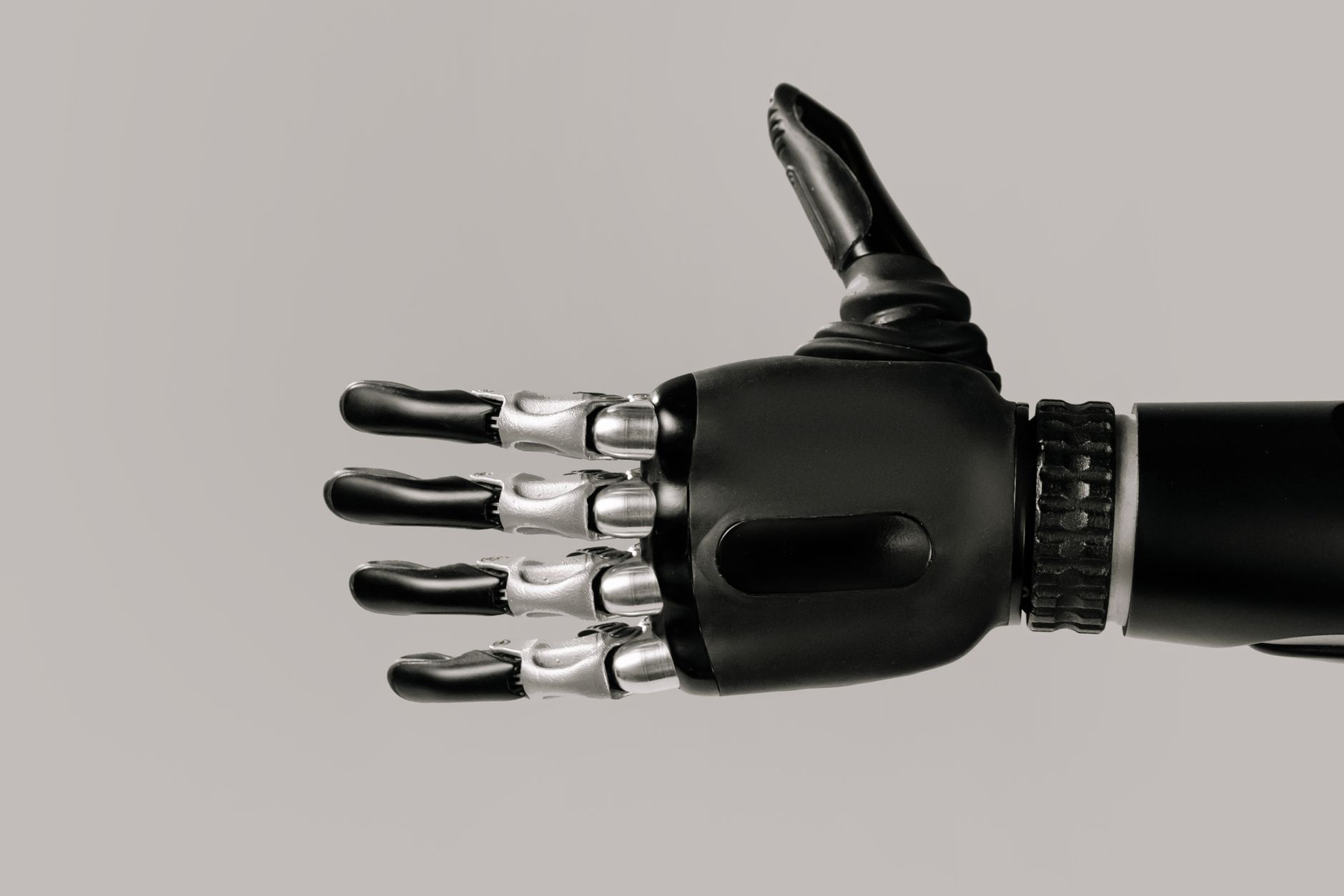
Robot-assisted walking may improve balance and dynamic mobility for some people with Parkinson's disease, but it is not a proven replacement for individualized rehabilitation. A September 2026 Frontiers in Neurology review pooled 12 randomized trials and found promising results with important limits. Robot-assisted gait training uses devices such as supported treadmills or cueing systems to guide, support, or structure walking practice. The review supports considering it as one possible rehabilitation tool rather than a device-specific prescription.
Medical information disclaimer: This article is for general educational purposes only and does not provide medical advice, diagnosis, or treatment. Always consult a physician or other qualified health professional about symptoms, medications, tests, or treatment decisions.
Table of Contents
- What the review found
- What the walking-distance result means
- Who the findings apply to
- Why no single robot or program stands out
- Questions to bring to rehabilitation planning
What the review found
Compared with control treatments, robot-assisted training was associated with a 3.49-point higher Berg Balance Scale score. The Berg Balance Scale measures balance during tasks such as standing, turning, and reaching; the review rated this evidence low certainty. Frontiers in Neurology review Across eight trials, people receiving robot-assisted training completed the Timed Up and Go test 1.82 seconds faster.
This test measures how quickly a person can stand from a chair, walk, turn, return, and sit. The review also associated training with 4.14 more steps per minute and steps that were 5.70 centimeters longer. Longer steps can matter when Parkinson's symptoms lead to short, shuffling strides, although the step-length evidence was rated very low certainty.
What the walking-distance result means
The six-minute walking test estimates how far someone can walk in six minutes. The review found a pooled 35.82-meter advantage for robot-assisted training, but the confidence interval crossed zero.
In plain language, the combined result did not establish a dependable improvement in walking distance. The studies also differed greatly from one another, making a single average result less useful for predicting an individual's outcome. Frontiers in Neurology review.
📨 Get Free Parkinson's Guides Alerts
Free · No spam · Unsubscribe anytime
Who the findings apply to
Most study participants had mild-to-moderate Parkinson's disease. That matters because a person with more advanced symptoms, frequent falls, substantial freezing, or other mobility concerns may not match the people studied.
The trials inconsistently reported medication state, freezing of gait, fall history, cognition, and deep-brain-stimulation status. Those details can shape how a person walks, responds to cues, and participates safely in a rehabilitation session.
Why no single robot or program stands out
The review combined different approaches: treadmill and body-weight-support systems, as well as devices that provide walking cues. Training schedules, feedback methods, and comparison treatments also varied.
As a result, the review does not identify the best device, session length, training frequency, or feedback method. A therapy plan should focus on the person's goals—such as turning more steadily, taking longer steps, or practicing safe transfers—rather than on a machine name alone. Frontiers in Neurology review.
Questions to bring to rehabilitation planning
Robot-assisted walking can be discussed as an addition to therapist-led care. Useful questions include: The trials did not provide a reliable comparison of safety because adverse events, pain, fatigue, falls, tolerability, and dropout reasons were reported poorly and inconsistently. Frontiers in Neurology review.
- Which walking problem would this training target?
- How would progress be measured during the program?
- How will medication timing, fatigue, freezing, and fall risk be handled?
- What support or supervision is available during walking practice?
- What other therapy activities will accompany device-based sessions?
You Might Also Like
- Parkinson’s Exercise on Difficult Days: How a Physical Therapist Can Adapt the Plan
- Parkinson’s Freezing in Doorways: What to Discuss During a Gait Assessment
- My Feet Feel Glued to the Floor When I Turn With Parkinson’s