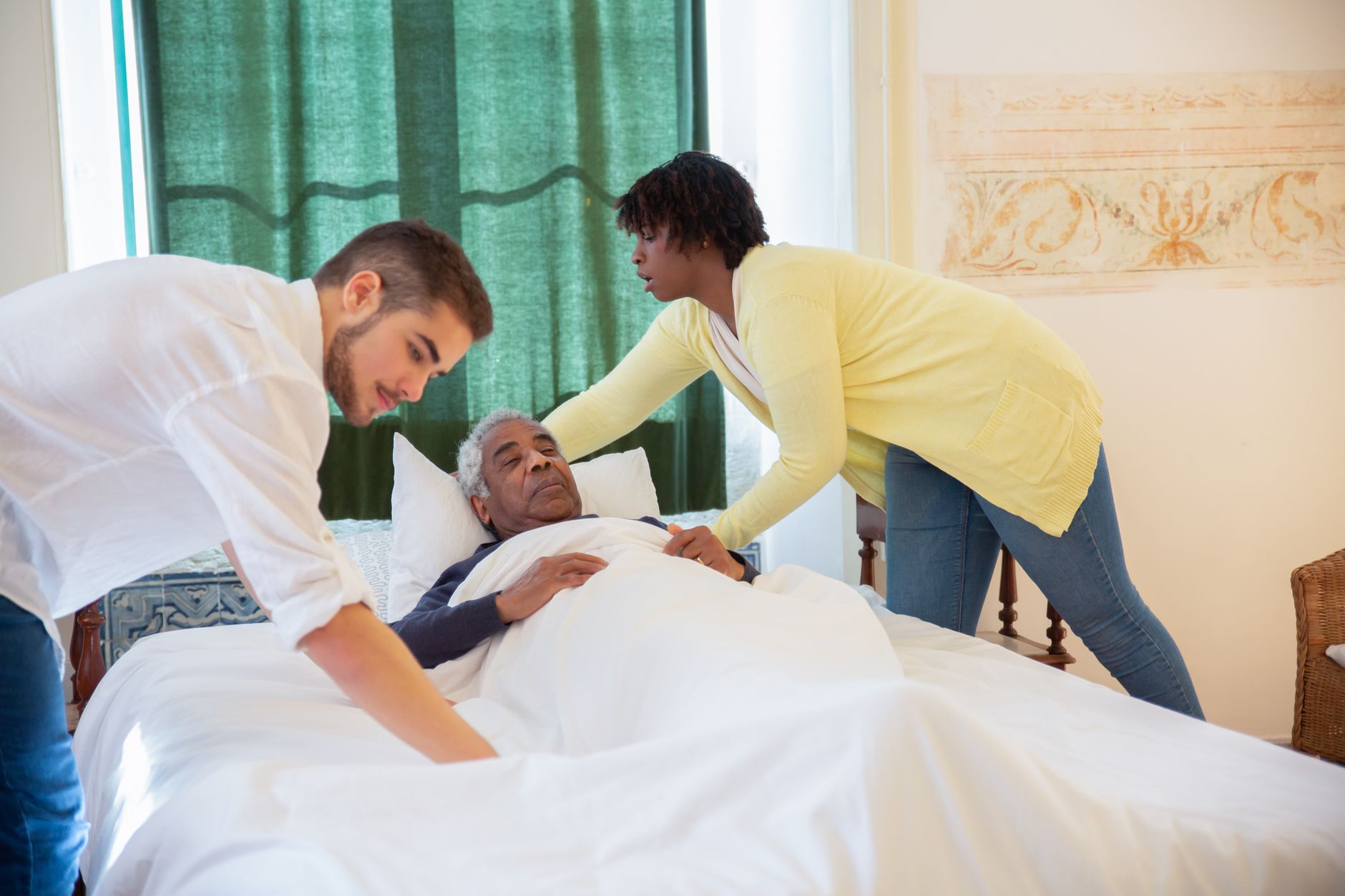
Caregiver support for Parkinson's disease in October 2026 means day-to-day help with movement, mood, speech, and safety, plus services that protect the caregiver's health. This FAQ gives source-checked answers on symptoms to watch, where to get guidance, and how breaks and payment work. Parkinson's disease is a brain disorder that impairs movement and often affects mood, thinking, speech, and swallowing. These answers serve spouses, adult children, friends, and other unpaid care partners managing daily care.
Medical information disclaimer: This article is for general educational purposes only and does not provide medical advice, diagnosis, or treatment. Always consult a physician or other qualified health professional about symptoms, medications, tests, or treatment decisions.
Table of Contents
- What should caregivers watch day to day?
- Where can caregivers get trusted guidance?
- How do caregivers get a break?
- Who pays for respite care?
- Why is planning ahead critical now?
What should caregivers watch day to day?
Parkinson's care covers movement plus mood, thinking, speech, and swallowing. The National Institute on Aging lists four cardinal motor signs plus depression, chewing and swallowing difficulty, speech change, and cognitive shifts. Most cases develop after age 60 from combined genetic and environmental factors. Watch for tremor, stiffness, slow movement, balance loss, soft voice, choking, low mood, and new confusion.
Record time, medication dose, meals, and sleep. Bring the log to each visit to fine-tune timing, therapy, and home safety. Small changes matter early. A weaker voice can signal swallowing risk. A withdrawn mood can signal depression that needs prompt care.
Where can caregivers get trusted guidance?
The Parkinson's Foundation runs a Helpline at 1-800-4PD-INFO and [email protected]. Staff answer symptom, treatment, and research questions and connect families to support groups, exercise classes, and PD-trained clinicians. The Parkinson's Foundation describes these services in its Helpline FAQ. Spouses, adult children, and friends can also use Facing Parkinson's Together. The Michael J.
Fox Foundation offers this free digital guide with practical stage-by-stage care-partner advice. The Michael J. Fox Foundation provides the download through its Facing Parkinson's Together caregiving guide. Start with one question and one local referral. Join a support group before a crisis. Ask the Helpline which exercise class fits the current stage.
How do caregivers get a break?
Respite care gives the primary caregiver short breaks at home, in a facility, or at an adult day center. The National Institute on Aging defines this break as planned relief, not failure. Families can find programs through the ARCH National Respite Locator or by asking relatives, volunteers, or paid aides.
📨 Get Free Parkinson's Guides Alerts
Free · No spam · Unsubscribe anytime
For local help, the National Institute on Aging points caregivers to the Eldercare Locator at 800-677-1116. It is a nationwide Administration on Aging service that links older adults and caregivers to community resources. Call with the diagnosis, ZIP code, and weekly schedule.
- Book a regular 3-hour block, not only emergencies.
- Try adult day centers for social time and supervision.
- Line up two backups for illness or travel.
Who pays for respite care?
Original Medicare pays for respite only under the hospice benefit. It covers up to 5 consecutive inpatient days per stay with about 5% coinsurance. Medical News Today summarizes these Medicare rules in its March 2025 Medicare respite summary. It does not pay relatives for home respite or routine adult-day care. That gap surprises many families.
Budget for private pay, local grants, or volunteer coverage for weekly breaks. The VA Caregiver Support Program at caregiver.va.gov offers training, mental-health services, respite, and, for eligible Program of Comprehensive Assistance caregivers, a monthly stipend. Help is available at 1-855-260-3274. The VA details respite and stipend rules in its Caregiver Support respite sheet. Eligibility and stipend require VA application and approval, so Parkinson's families should confirm status early.
Why is planning ahead critical now?
About 1.04 million Americans had diagnosed Parkinson's in 2017, at a total economic burden of $51.9 billion. An npj Parkinson's Disease study from June 2020 projects more than 1.6 million cases and $79 billion by 2037. More cases mean more demand on spouses, children, and friends.
Build the care team before needs spike. Identify one medical contact, one daily helper, and one respite option. Confirm VA or hospice eligibility early rather than during a hospital discharge.
You Might Also Like
- Caregiver Support for Parkinson’s Disease 2026 Guide: safety, access, and evidence limits; Key Facts and Questions to Ask
- Parkinson’s Disease Davis Phinney Foundation Update 2026: Evidence and Open Questions
- Billy Connolly Parkinson’s FAQ: Common Questions and Evidence-Based Answers