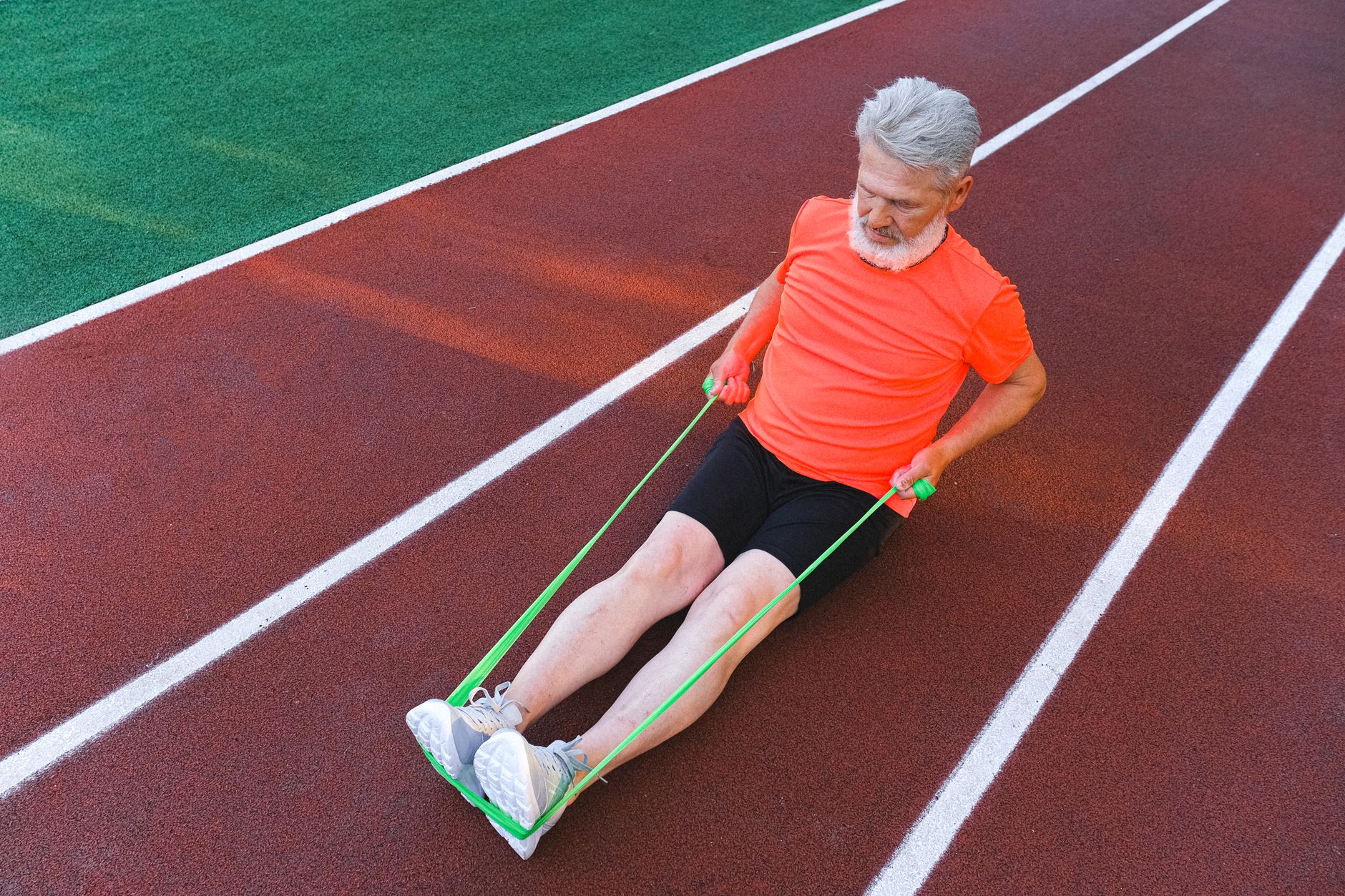
Exercise helps Parkinson's medication work better by boosting dopamine signaling for movement. Regular activity keeps remaining dopamine cells healthier, so levodopa acts on a stronger brain system.
Dopamine is the brain chemical that carries movement signals. Parkinson's involves death of dopamine-making brain cells needed for voluntary movement. The common drug L-DOPA/levodopa is converted into dopamine in the brain to restore movement, according to MedicalXpress reporting on USC research.
Medical information disclaimer: This article is for general educational purposes only and does not provide medical advice, diagnosis, or treatment. Always consult a physician or other qualified health professional about symptoms, medications, tests, or treatment decisions.
Table of Contents
- How does movement change dopamine signaling?
- Can intense exercise protect dopamine neurons?
- Do exercise and medication work better together?
- When should you exercise for best response?
How does movement change dopamine signaling?
In 17 people with Parkinson's, PET scans were taken before and after stationary cycling. Habitual exercisers had significantly greater dopamine release in the caudate nucleus than sedentary patients, according to the UBC report on the cycling and PET study.
In aging male and female mice, voluntary aerobic exercise robustly increased striatal dopamine release. The animals also showed better coordination and faster movement. In a NeurologyLive interview, NYU researcher Margaret Rice linked this stronger signaling to better motor performance.
Can intense exercise protect dopamine neurons?
Six months of intense exercise increased dopamine-transporter availability and neuromelanin in the substantia nigra. Motor scores did not worsen, and daily levodopa dose did not change. The pattern suggests healthier remaining dopamine neurons.
📨 Get Free Parkinson's Guides Alerts
Free · No spam · Unsubscribe anytime
Yale School of Medicine summarized the February 2024 npj Parkinson's Disease study in the Yale summary of the high-intensity exercise findings. A 10-patient proof-of-concept study found the program preserved dopamine-producing neurons. Those cells grew healthier and produced stronger dopamine signals.
Do exercise and medication work better together?
A randomized trial in people with Parkinson's tested resistance exercise with dopamine-replacement medication. The combination improved muscle force, motor UPDRS scores, and walking and function. Results were better than either treatment alone, according to the Journal of Neurologic Physical Therapy study shared via the NIH/PMC report on combined therapy.
Medication restores movement signals, which makes active muscles easier to train. Stronger muscles and practiced movement then let people use those signals more fully. The benefit comes from the pairing, not from one replacing the other.
When should you exercise for best response?
Medication helps people exercise, and exercise helps medication work. Patients should plan activity during medication "on" periods with clinician guidance, according to the Michael J. Fox Foundation Exercise Guide.
Key imaging results come from very small samples. Examples include 10 patients, and 8 habitual exercisers versus 9 sedentary patients, plus animal models. They do not prove exercise lowers medication dose.
- Plan walks, cycling, or resistance sessions for "on" times
- Keep the clinician updated on timing, effort, and motor response
- Pair steady aerobic work with prescribed strength work when approved
You Might Also Like
- Carbidopa Timing Before Exercise: Why Scheduling Matters
- Planning a Family Meal When Parkinson’s Affects Attention and Movement
- Does More Daily Walking Slow Parkinson’s Progression?