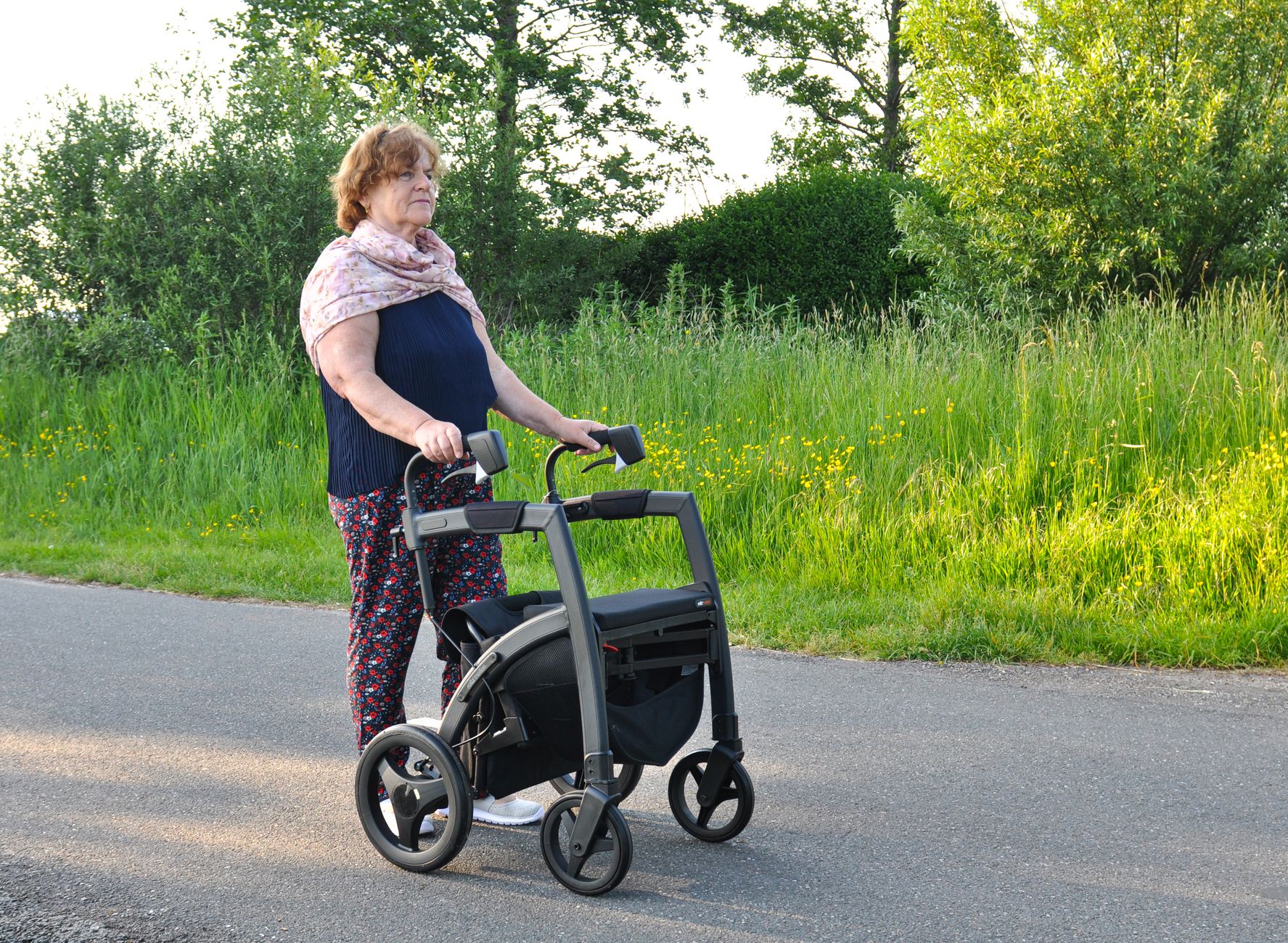
Fasted exercise means working out before eating, often before breakfast. With Parkinson's disease, that choice can affect how well you move, how steady you feel, and how low your blood sugar drops, so review meal timing with your care team first. Morning exercise often competes with medication timing. Waiting until drugs are working, eating enough protein at the right time, and staying hydrated can matter more than whether you burn extra calories fasted.
Medical information disclaimer: This article is for general educational purposes only and does not provide medical advice, diagnosis, or treatment. Always consult a physician or other qualified health professional about symptoms, medications, tests, or treatment decisions.
Table of Contents
- Why time exercise to your "on" period?
- How do food and protein affect levodopa?
- Could fasting raise dizziness and fall risk?
- Who should take extra precautions?
- Frequently Asked Questions
Why time exercise to your "on" period?
"On" means medication is working and movement is best. "Off" means stiffness, slowness, and freezing return and tasks feel harder. According to the Academy of Neurologic Physical Therapy, people with Parkinson's should schedule exercise for the "on" state because exercising while "off" worsens stiffness, slowness, and fall risk, as explained in its Parkinson's exercise fact sheet.
An early-morning fasted workout before the first dose takes effect can land in that "off" window. If mornings are stiff, use light activity while waiting, then do brisk walking, cycling, strength work, or balance drills once movement feels smoother. Keep sessions shorter on slow-response days.
How do food and protein affect levodopa?
Levodopa moves from gut to brain through pathways also used by food protein. A high-protein meal near dose time can leave less drug available and allow tremor, rigidity, or slowness to return. The npj Parkinson's Disease review reports that levodopa is commonly recommended on an empty stomach and that large neutral amino acids from food can lower average peak plasma levodopa by about 30%, described in the 2023 levodopa and protein review.
That makes dose timing around meals and workouts important. Do not skip protein to solve the problem. Muscles need it, especially when training. Ask your clinician about taking doses away from meals and shifting most protein toward evening.
Could fasting raise dizziness and fall risk?
Standing up already can drop blood pressure in Parkinson's. The result may be dizziness, lightheadedness, poor balance, or fainting during warm-up, stairs, or sudden position changes. Parkinson Canada warns that orthostatic hypotension plus impaired postural reflexes raises risk of dizziness, fainting, falls, and fractures, and that dehydration plus sweat-related fluid loss can further lower standing pressure, noted in its low blood pressure fact sheet.
📨 Get Free Parkinson's Guides Alerts
Free · No spam · Unsubscribe anytime
Fasting plus morning dehydration and a sweaty workout can combine those risks. Drink water before and during exercise. Rise slowly from floor work or bending, pause if vision dims or you feel light, and sit until the feeling passes.
Who should take extra precautions?
People using insulin or sulfonylureas face higher activity-related low blood sugar. Low fuel from fasting can add to that risk during longer or harder sessions.
The British and Canadian cardiovascular rehabilitation joint statement advises exercisers with diabetes to check glucose, carry fast carbs, and stop if glucose is at or below 70 mg/dL or with shakiness or dizziness, stated in the 2021 exercise and diabetes statement. Bring glucose tablets or juice even for a short walk. Ask your team these questions before changing meal timing:.
- Should I exercise after my dose takes effect rather than before breakfast?
- How should I space levodopa, protein, and workouts on exercise days?
- What fluids, salt, compression, or dose changes fit my blood-pressure pattern?
- What is my sick-day, low-glucose, or dizziness stop rule, and when should I call?
Frequently Asked Questions
Is a short fasted walk ever reasonable?
It may be for some people once medication is working, hydration is adequate, and blood pressure and glucose are stable. Confirm the plan and stop rules with your clinician first.
What warning signs mean stop and refuel or rest?
Stop for shakiness, sweating, confusion, unusual hunger, dizziness, dim vision, chest pain, or near-fainting. Sit down, take fast carbs if low glucose is possible, and seek care for fainting, injury, or symptoms that do not ease.
You Might Also Like
- Parkinson’s Freezing at Doorways: Questions for a Physical Therapist
- Parkinson’s Exercise on Difficult Days: How a Physical Therapist Can Adapt the Plan
- I Can Walk Straight but Lose Balance When Turning With Parkinson’s