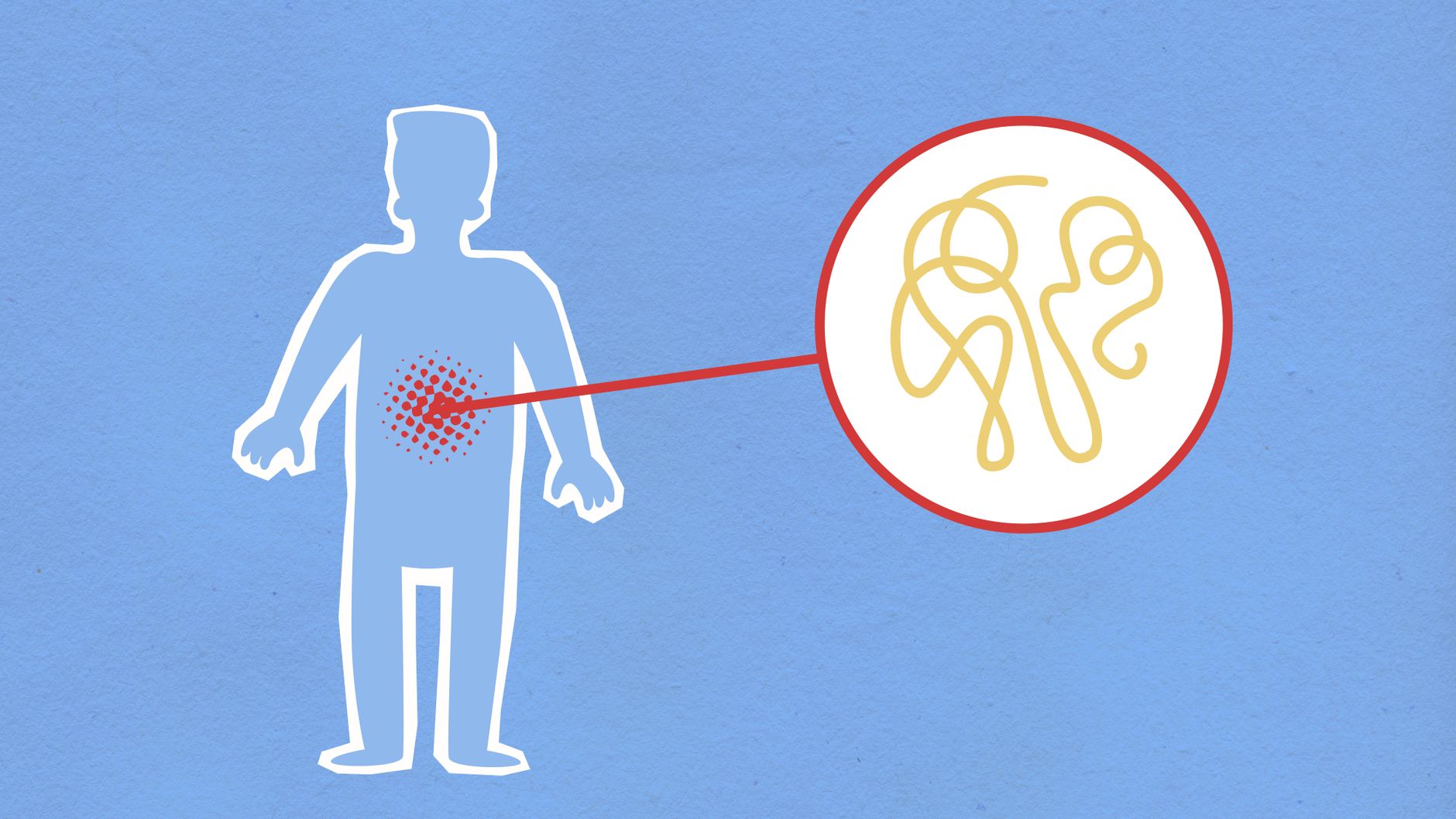
Recent research has identified gut microbiome dysfunction as a significant factor in Parkinson’s disease development and progression. Scientists have observed that patients with Parkinson’s often exhibit different bacterial communities in their intestines compared to healthy individuals, and emerging evidence suggests these microbial changes may not simply be a consequence of the disease but could actually contribute to its onset. For instance, studies have found that certain bacterial species that help maintain intestinal barrier integrity are often depleted in Parkinson’s patients, potentially allowing harmful substances to cross from the gut into the bloodstream and eventually affect the nervous system.
The gut microbiome influences Parkinson’s through multiple pathways, including production of neurotransmitters, regulation of inflammation, and management of toxic byproducts. Researchers have begun focusing intensively on understanding whether restoring healthy microbial balance might slow disease progression or even prevent Parkinson’s in at-risk individuals. This shift in research attention represents a fundamental change in how scientists approach the disease—moving beyond treating brain symptoms alone to addressing potential root causes in the digestive system.
Table of Contents
- How Does the Gut Microbiome Connect to Parkinson’s Disease?
- Microbiome Dysfunction in Parkinson’s Development and Progression
- Inflammation and the Microbiome in Parkinson’s
- Strategies for Addressing Microbiome Dysfunction in Parkinson’s
- Challenges and Limitations in Microbiome Research for Parkinson’s
- Emerging Biomarkers and Diagnostic Applications
- The Future of Microbiome-Targeted Parkinson’s Interventions
- Frequently Asked Questions
How Does the Gut Microbiome Connect to Parkinson’s Disease?
The connection between gut bacteria and Parkinson’s centers on the gut-brain axis, a bidirectional communication system linking your digestive system to your central nervous system. The microbiome produces compounds that influence brain function, including short-chain fatty acids like butyrate, which help maintain the integrity of the intestinal barrier and reduce systemic inflammation. When microbial diversity decreases or pathogenic bacteria proliferate, this barrier weakens, a condition called “leaky gut,” allowing bacterial lipopolysaccharides and other inflammatory molecules to enter circulation and potentially trigger or accelerate neurodegeneration. Parkinson’s disease involves accumulation of a protein called alpha-synuclein in the brain’s neurons, leading to cell death and movement disorders.
Emerging research suggests that bacterial products and chronic low-grade inflammation resulting from microbiome dysfunction may promote alpha-synuclein misfolding and aggregation. Animal studies have demonstrated that germ-free mice (those raised without any bacteria) develop less severe Parkinson’s-like pathology when exposed to triggers, compared to mice with intact microbiomes, suggesting that specific bacterial communities may be necessary for disease manifestation in susceptible individuals. The specific bacterial species depleted in Parkinson’s patients tend to be those producing short-chain fatty acids and supporting immune homeostasis. These include members of the Faecalibacterium, Roseburia, and Akkermansia genera. When these protective bacteria decline, pro-inflammatory bacterial species may expand, creating an environment that promotes intestinal permeability and systemic inflammation—conditions that may accelerate neurological decline in Parkinson’s patients.
Microbiome Dysfunction in Parkinson’s Development and Progression
Research has shown that microbiome changes occur early in Parkinson’s disease, sometimes even before motor symptoms appear. Individuals with genetic risk factors for Parkinson’s or early premotor symptoms often already display altered bacterial composition. This timing raises an important question: does the microbiome change contribute to disease initiation, or does neurological dysfunction alter gut bacteria as a secondary effect? Current evidence suggests bidirectional causality, where initial microbiome imbalances trigger inflammatory cascades that damage neurons, while neurological changes then further disrupt normal gut function, creating a self-perpetuating cycle. A significant limitation in current research is that most microbiome studies are observational rather than interventional. While researchers can demonstrate that Parkinson’s patients have different bacterial communities, proving that these differences caused the disease (rather than resulted from it) requires careful experimental design.
Additionally, the microbiome is extraordinarily complex, with thousands of bacterial species present in each individual, making it difficult to identify which specific organisms are truly pathogenic versus which changes are merely correlational artifacts. Constipation is one of the earliest non-motor symptoms of Parkinson’s, sometimes preceding movement problems by years. This symptom directly reflects gut dysfunction and may provide a crucial window for early intervention. The reduced motility in Parkinson’s patients creates an environment where pathogenic bacteria thrive while beneficial fermenters decline, compounding the microbiome imbalance. Treating constipation in Parkinson’s patients may offer dual benefits—improving quality of life while potentially supporting more favorable bacterial composition.
Inflammation and the Microbiome in Parkinson’s
The inflammatory pathway connecting gut bacteria to Parkinson’s involves both local intestinal inflammation and systemic immune activation. Dysbiotic microbiota produce metabolic byproducts that trigger activation of pattern-recognition receptors on immune cells lining the intestines, initiating a cascade of pro-inflammatory signaling. These inflammatory molecules can cross the blood-brain barrier, particularly when it becomes compromised by intestinal permeability, and activate glial cells in the brain that perpetuate neuroinflammation and neurodegeneration. Specific bacterial metabolites, particularly lipopolysaccharides from gram-negative bacteria, have been implicated in promoting alpha-synuclein pathology in animal models. When bacterial populations shift toward species producing excessive lipopolysaccharides, brain-resident immune cells become chronically activated, releasing cytokines that damage dopamine-producing neurons.
This provides a mechanistic explanation for why microbiome-targeted interventions might slow disease progression—by reducing the production of these inflammatory molecules at their source in the gut. The temporal relationship between microbiome changes and neuroinflammation remains incompletely understood. Some researchers propose that early-life dysbiosis, potentially triggered by infections or antibiotic use, establishes a primed immune state that later permits Parkinson’s disease development. Others suggest that midlife accumulation of pathogenic bacteria creates the inflammatory environment necessary for disease manifestation. Understanding these timing relationships will be crucial for determining when microbiome interventions might be most effective.
Strategies for Addressing Microbiome Dysfunction in Parkinson’s
Current approaches to microbiome-targeted therapy for Parkinson’s include dietary modifications, probiotics, prebiotics, and in some research contexts, fecal microbiota transplantation. Dietary interventions focus on increasing fiber intake, particularly from sources that feed beneficial bacteria like Faecalibacterium and Roseburia. These fermentative bacteria produce butyrate, which strengthens intestinal barrier function and reduces inflammation. However, dietary approaches work slowly—meaningful microbiome changes typically require 4 to 8 weeks of consistent intervention—and individual responses vary substantially based on existing bacterial composition. Probiotics show promise but require careful selection. Not all probiotic strains are equally beneficial, and generic multi-strain probiotics may not effectively address the specific bacterial deficiencies characteristic of Parkinson’s.
Conversely, targeted administration of bacteria demonstrated to be depleted in Parkinson’s patients represents a more rational therapeutic approach than broad-spectrum probiotics. The major limitation is that orally administered bacteria face hostile conditions in the stomach and must compete with existing microbiota already established in the intestinal ecosystem, limiting colonization success rates. Fecal microbiota transplantation involves transferring stool from healthy donors to patients with dysbiosis, theoretically re-establishing healthy bacterial communities. While this approach has shown efficacy in treating recurrent Clostridioides difficile infection, its application to Parkinson’s remains experimental. The procedure carries infection risks, and determining appropriate donor selection and optimal transplantation protocols for neurological diseases is ongoing. Some early case reports suggest potential benefits for Parkinson’s-associated constipation, but controlled trials are still limited.
Challenges and Limitations in Microbiome Research for Parkinson’s
One major challenge is determining whether observed microbiome changes are causally related to Parkinson’s or merely associated with it. Cross-sectional studies comparing Parkinson’s patients to healthy controls cannot establish causation. Longitudinal studies following individuals over decades could clarify this, but they are expensive, time-consuming, and complicated by the numerous confounding variables affecting the microbiome—including diet, medications, stress, age, and prior infections. Additionally, antiparkinson medications themselves alter gut bacterial composition, making it difficult to separate disease-specific microbiome changes from medication effects. Sample collection and analysis introduce additional variability.
Microbiome composition differs throughout the colon, yet most research uses stool samples that may not fully represent proximal intestinal bacteria. DNA sequencing technologies used to identify bacteria can introduce contamination or bias based on methodology. Different laboratories may obtain varying bacterial compositions from identical samples due to technical variations, complicating comparisons across studies. A critical warning for Parkinson’s patients: aggressive microbiome interventions without medical oversight can be counterproductive. Introducing probiotics without understanding your baseline bacterial composition, rapidly changing dietary fiber intake, or pursuing unproven therapies may disrupt existing (albeit imperfect) bacterial balance or interact with medications. Constipation management, a conventional treatment for Parkinson’s-related bowel dysfunction, should remain the priority, with microbiome optimization pursued as a complement rather than replacement for established therapies.
Emerging Biomarkers and Diagnostic Applications
Researchers are investigating whether specific microbiota profiles could serve as biomarkers for Parkinson’s disease risk or progression. If certain bacterial signatures predict disease development or correlate with symptom severity, microbiome analysis could eventually become part of early diagnostic or prognostic assessment. Current work suggests that the relative abundance of Faecalibacterium and other butyrate-producers might inversely correlate with neurodegeneration severity.
However, translating these research findings into clinical diagnostic tests requires larger validation studies and standardized analysis protocols that do not yet exist. The potential for microbiome-based therapy monitoring is also being explored. If interventions successfully restore beneficial bacterial populations, measuring these changes could help clinicians assess whether a particular approach is working before evaluating motor symptom progression. This could enable earlier adjustment of treatment strategies.
The Future of Microbiome-Targeted Parkinson’s Interventions
Future therapeutic development will likely focus on engineered probiotics—genetically modified bacteria designed to produce specific compounds like butyrate, acetate, or anti-inflammatory metabolites in targeted intestinal regions. These could be more effective than wild-type bacteria because they consistently deliver therapeutic molecules regardless of diet or other variables affecting natural bacterial metabolism. Clinical trials testing such engineered organisms are beginning in other conditions and may extend to Parkinson’s.
Personalized microbiome medicine represents another promising direction, where individual patients receive targeted bacterial supplementation or dietary recommendations based on their unique microbiota composition. Rather than using generic interventions, treatments could be tailored to restore specific depleted bacterial species in each patient. While implementing this approach requires more sophisticated analysis and greater clinical complexity than current standardized treatments, the potential to address underlying disease mechanisms rather than simply treating symptoms makes it an attractive long-term goal for Parkinson’s therapeutics.
Frequently Asked Questions
Can probiotics cure Parkinson’s disease?
No. While probiotics may support gut health and potentially reduce inflammation, they cannot cure Parkinson’s disease. Current evidence suggests microbiome interventions might slow progression or improve certain symptoms like constipation, but they work best alongside conventional disease-modifying therapies, not as replacements.
Will my Parkinson’s medications affect my microbiome?
Yes. Several Parkinson’s medications, including levodopa and dopamine agonists, alter bacterial composition. This is one reason it’s difficult to separate microbiome changes caused by disease itself from those caused by treatment. Discuss microbiome health with your neurologist when starting new medications.
Should I increase fiber intake to help my microbiome?
Gradually increasing fiber often supports beneficial bacteria. However, if you have severe constipation or gastroparesis (common in Parkinson’s), too much fiber can worsen symptoms. Consult your healthcare provider before making major dietary changes, as the pace of fiber introduction matters significantly.
Is fecal microbiota transplantation available for Parkinson’s?
It is not currently a standard treatment for Parkinson’s disease. While some early research suggests potential benefits for constipation, the procedure remains experimental for neurological conditions. It carries infection risks and is not recommended outside of clinical trials.
Can diet alone fix my microbiome in Parkinson’s?
Diet significantly influences the microbiome, but it works gradually—expect 4 to 8 weeks to see measurable changes. However, diet alone may not fully restore microbiome function if underlying disease mechanisms are also driving dysbiosis. Microbiome optimization works best as part of comprehensive Parkinson’s management.