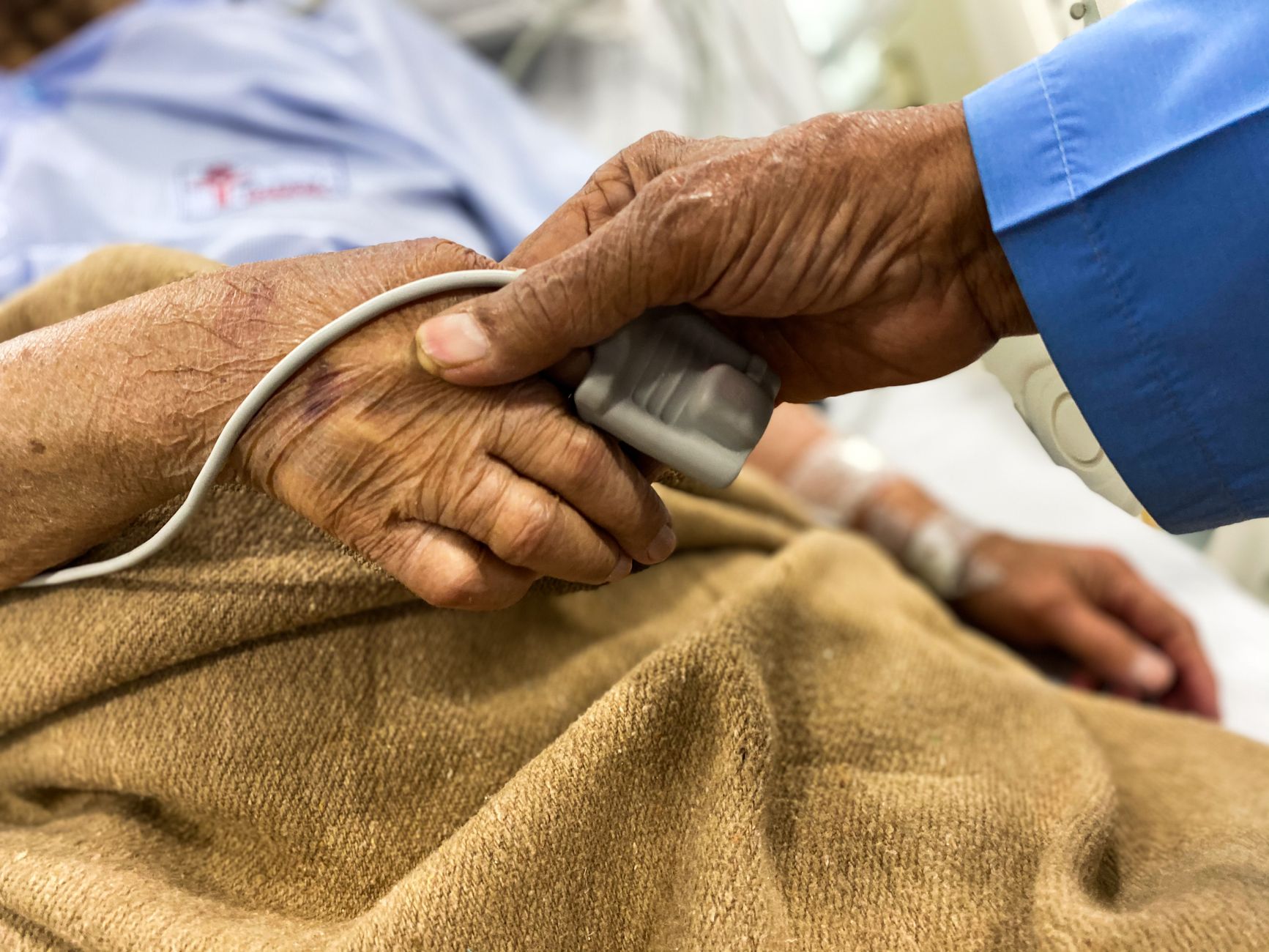
Yes, Parkinson’s disease is definitively a neurological disorder—one that damages specific regions of the brain responsible for movement, thinking, and emotion regulation. The disorder occurs when neurons in the brain that produce dopamine, a chemical messenger essential for controlling movement, begin to deteriorate and die. In the early stages, people often notice tremors in their hands at rest, muscle rigidity, or slowness of movement, but these visible signs reflect deeper changes happening in the brain that extend far beyond just the motor system.
Parkinson’s falls squarely within the category of neurodegenerative diseases, meaning the condition involves progressive damage to nerve cells. Unlike conditions caused by infection, injury, or chemical exposure that might affect the nervous system temporarily, Parkinson’s involves a persistent, advancing loss of specific neurons. A person diagnosed at age 60 with tremors in their right hand is experiencing the outward manifestation of neuronal death that has likely been occurring silently in their brain for years before any symptom appeared.
Table of Contents
- What Role Do Dopamine-Producing Neurons Play in Parkinson’s?
- How Does Parkinson’s Damage Spread Beyond Movement Control?
- What Are the Motor Neurological Signatures of Parkinson’s Disease?
- How Do Non-Motor Symptoms Reveal Parkinson’s Neurological Complexity?
- Why Are Parkinson’s Disease and Similar Neurological Conditions Often Misdiagnosed?
- How Does Neurological Deterioration Progress in Parkinson’s Disease?
- What Assessment Methods Reveal Parkinson’s Neurological Status?
What Role Do Dopamine-Producing Neurons Play in Parkinson’s?
Dopamine is a neurotransmitter—a chemical messenger that neurons use to communicate with each other. In the substantia nigra, a region deep within the brain, certain neurons produce dopamine and send it to other brain areas that control voluntary movement. When these dopamine-producing neurons die in Parkinson’s disease, the amount of dopamine available drops significantly. Studies show that people with Parkinson’s lose approximately 60% of dopamine-producing cells in the substantia nigra before noticeable movement symptoms appear.
This neurological damage creates a cascade of problems. Without sufficient dopamine, the brain struggles to initiate and coordinate smooth, purposeful movements. A person might want to reach for a cup of coffee, but their brain cannot send the proper signals to their hand and arm in the fluid sequence required. This explains why someone with Parkinson’s might experience bradykinesia—slowness of movement—or why their handwriting becomes smaller and shakier over time. The neurological deficit is not in the muscles themselves, which remain structurally intact, but in the brain’s ability to control those muscles effectively.
How Does Parkinson’s Damage Spread Beyond Movement Control?
While dopamine loss in the substantia nigra primarily affects movement, the neurological damage in Parkinson’s extends to other brain regions and neurotransmitter systems. Neurons that produce norepinephrine, serotonin, and acetylcholine also degenerate in Parkinson’s disease, though typically to a lesser degree than dopamine neurons. This broader neurological involvement explains why people with Parkinson’s experience non-motor symptoms such as depression, sleep disturbances, constipation, and cognitive changes—symptoms that standard movement disorder treatments cannot fully address.
A crucial limitation in managing Parkinson’s is that current medications primarily address dopamine deficiency and have minimal effects on these other neurological systems. Levodopa, the gold-standard Parkinson’s medication, crosses the blood-brain barrier and converts to dopamine, helping restore movement control. However, it does not replenish norepinephrine or serotonin, which means depression, anxiety, and autonomic symptoms such as blood pressure changes often persist despite optimized dopamine therapy. Someone taking medication that effectively controls their tremor might still struggle with depression that requires a separate antidepressant medication.
What Are the Motor Neurological Signatures of Parkinson’s Disease?
The cardinal motor symptoms of Parkinson’s disease—tremor, rigidity, bradykinesia, and postural instability—are direct reflections of neurological dysfunction in the basal ganglia, a group of brain structures that coordinate movement. Rest tremor, the characteristic rhythmic shaking that typically begins in one hand and may spread to the other, occurs because the circuits controlling involuntary muscle tone have become imbalanced. A person might notice their left hand trembles at 4 to 6 cycles per second when resting on their lap but stops shaking when they deliberately move their hand to pick up a fork. Rigidity in Parkinson’s disease manifests differently than stiffness from muscle injury.
A neurologist testing for rigidity will move a patient’s arm passively and feel a characteristic “lead pipe” resistance throughout the movement, or a “cogwheel” sensation where the resistance stutters like a ratchet. This sensation reflects abnormal activity in the brain circuits that regulate muscle tone, not actual muscle disease. Postural instability and gait dysfunction emerge as the neurological disease progresses, affecting the brainstem regions responsible for balance and coordinating movements across the body. A person with advancing Parkinson’s might develop a shuffling gait, reduced arm swing, or difficulty turning their body, all neurological changes rather than problems with leg strength.
How Do Non-Motor Symptoms Reveal Parkinson’s Neurological Complexity?
Non-motor symptoms often appear years before movement problems emerge, indicating that Parkinson’s neurological damage spreads throughout the brain well before the substantia nigra deterioration becomes severe enough to cause noticeable tremor or rigidity. Depression and anxiety affect approximately 40% of people with Parkinson’s disease, reflecting damage to neurons in brain regions that regulate mood and stress response. Cognitive changes such as difficulty with executive function, memory problems, or dementia with Lewy bodies occur in a subset of people, corresponding to neurodegeneration in the cerebral cortex and limbic system.
Sleep disorders, another prevalent non-motor symptom, reveal how Parkinson’s affects the neurological systems controlling sleep-wake cycles. People with Parkinson’s commonly experience REM sleep behavior disorder, where the brain fails to suppress muscle movements during the REM stage of sleep, leading to acting out dreams—sometimes violently, which poses injury risks to the person or their sleep partner. Autonomic symptoms such as orthostatic hypotension (sudden drops in blood pressure upon standing), urinary urgency, sexual dysfunction, and excessive sweating indicate neurological involvement in systems outside the voluntary motor circuits. A person managing motor symptoms effectively with medication may still face constipation severe enough to require separate treatment, because the neurological systems controlling intestinal function operate independently from those regulating tremor.
Why Are Parkinson’s Disease and Similar Neurological Conditions Often Misdiagnosed?
Parkinson’s disease shares neurological features with several other conditions, making accurate diagnosis challenging. Essential tremor resembles Parkinson’s rest tremor superficially, but essential tremor typically worsens with intentional movement and improves at rest—opposite to Parkinson’s pattern. Multiple system atrophy and progressive supranuclear palsy are other neurodegenerative disorders with parkinsonian symptoms, but they involve different patterns of neurological degeneration and often progress faster than typical Parkinson’s disease. A warning: people diagnosed with “Parkinson’s disease” based primarily on tremor alone, without other cardinal features or response to dopamine medication, sometimes receive misdiagnosis when alternative conditions emerge.
The neurological complexity of Parkinson’s disease means that diagnosis relies on clinical judgment rather than a single definitive test. No blood test or imaging study can confirm Parkinson’s disease with certainty, although recent research using PET imaging can detect dopamine loss in the striatum. Clinicians diagnose Parkinson’s based on the pattern of symptoms, response to levodopa medication, and exclusion of other conditions. A person with Parkinson’s symptoms who fails to improve meaningfully on adequate doses of levodopa may have a different neurological disorder, prompting reassessment and potentially leading to a revised diagnosis.
How Does Neurological Deterioration Progress in Parkinson’s Disease?
Parkinson’s disease is fundamentally progressive—the neurological degeneration advances over time, though at highly variable rates between individuals. Some people experience slow progression, with minimal symptom changes over a decade, while others develop significant motor disability within five to seven years. This variation reflects differences in the underlying neurobiology, including the rate of dopamine neuron loss, the pattern of neurodegeneration across brain regions, and whether additional pathological processes beyond dopamine loss are occurring. A person diagnosed at age 50 cannot predict whether they will experience mild tremor at age 70 or severe motor disability at 65.
Neurological staging systems such as the Hoehn and Yahr scale categorize Parkinson’s progression from unilateral motor symptoms to bilateral involvement to postural instability and eventual severe disability. However, the neurological reality is more nuanced—the same outward stage may reflect different underlying brain pathology in different people. One person at stage 2 (bilateral symptoms) might have relatively preserved cognition and stable autonomic function, while another at the same stage experiences cognitive decline and severe dysautonomia. The heterogeneity in neurological presentation and progression means that clinical trials of potential disease-modifying treatments often show disappointing results, because participants at the same disease stage have fundamentally different neurological states.
What Assessment Methods Reveal Parkinson’s Neurological Status?
Neurologists use specialized assessments to quantify the extent of neurological dysfunction and track disease progression. The Unified Parkinson’s Disease Rating Scale (UPDRS) includes subsections assessing motor symptoms, non-motor symptoms, and functional impact. The MDS-UPDRS, an updated version, incorporates modern understanding of Parkinson’s neurological complexity and includes items assessing cognitive function, psychiatric symptoms, and autonomic problems alongside traditional motor evaluation. A person undergoing UPDRS assessment might perform tasks such as tapping fingers repeatedly to assess bradykinesia, rising from a chair to assess postural stability, or walking a specific distance while clinicians evaluate gait.
Neuroimaging such as MRI can reveal structural brain changes in some people with Parkinson’s disease, including brain atrophy in specific regions. DaTscan imaging, a specialized PET scan, can visualize dopamine transporter availability in the striatum and objectively demonstrate the neurological dopamine deficit. However, DaTscan is not typically necessary for diagnosis and is often reserved for atypical cases where diagnostic uncertainty exists. Advanced neurological assessment in research settings includes cognitive testing batteries to detect subtle executive dysfunction or memory problems before they become apparent in daily life, reflecting how Parkinson’s neurological damage may be widespread even when only motor symptoms are clinically obvious.
- —