A Caregiver’s First-Year Guide to Parkinson’s Disease

A practical first-year orientation for Parkinson’s caregivers: building the care team, medication systems, home safety, planning for non-motor symptoms, and caring for yourself.
A practical first-year orientation for Parkinson’s caregivers: building the care team, medication systems, home safety, planning for non-motor symptoms, and caring for yourself.

Swallowing problems in Parkinson’s raise the risk of choking and pneumonia. Learn the warning signs, how a speech-language pathologist evaluates swallowing, and what helps.

Hallucinations and delusions in Parkinson’s are common, treatable, and often triggered by infection, medication, or sleep problems. Learn what helps and when to seek urgent care.

Sleep problems are among the most common non-motor symptoms of Parkinson’s. Learn about insomnia, RBD, daytime sleepiness, restless legs, and sleep apnea — and what helps.
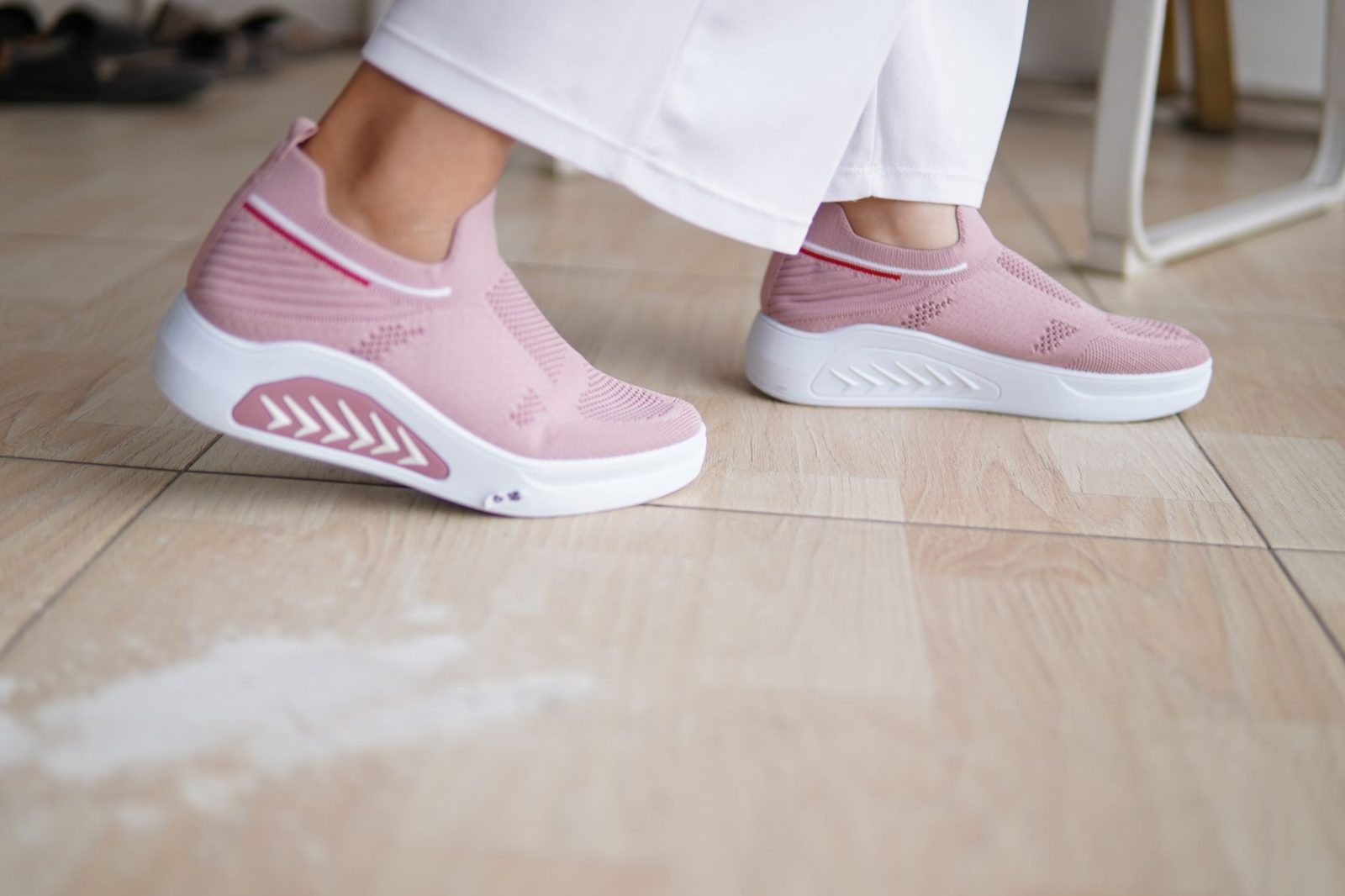
Footwear is an underrated part of staying safe with Parkinson’s. Learn what features matter most — non-slip sole, firm heel, adjustable closure — and what to avoid.

LSVT BIG and PWR! Moves are the two leading Parkinson-specific physical therapy programs. Learn how they differ, who each fits, and how to choose.

An evidence-based guide to the best exercises for Parkinson’s disease, covering aerobic, strength, balance, flexibility, and Parkinson-specific programs like LSVT BIG.

Deep brain stimulation (DBS) can dramatically reduce tremor and motor fluctuations for the right Parkinson’s patient. Learn how it works, who qualifies, and what the surgery and recovery involve.

A practical room-by-room guide to fall prevention at home for people with Parkinson’s, covering bedroom, bathroom, kitchen, stairs, devices, and medical safety steps.
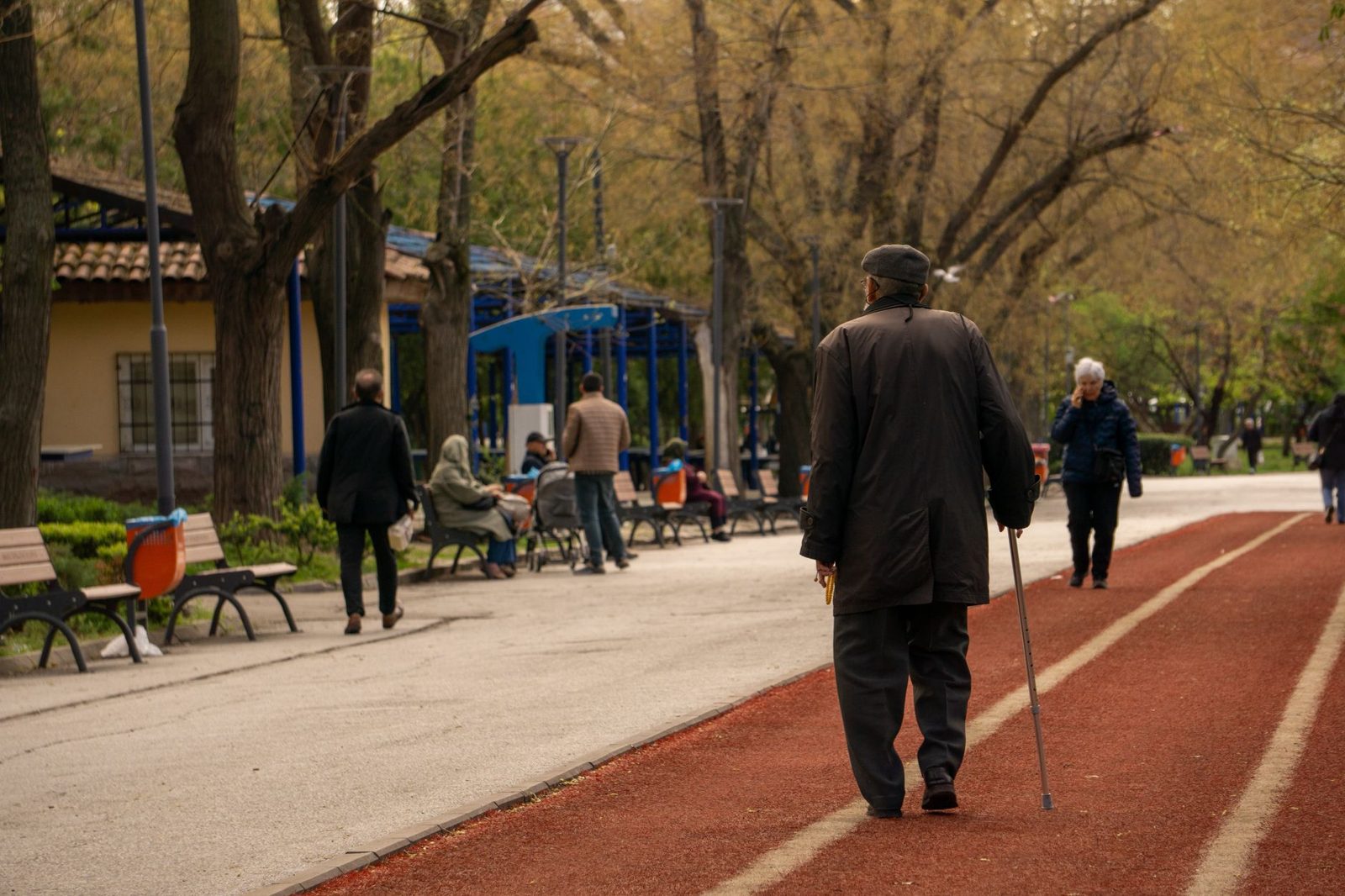
Freezing of gait makes your feet feel stuck. Learn what triggers it, why it happens, and practical cueing tricks that physical therapists use to overcome it.