Tablet Games Could Help Assess Memory and Thinking Problems in Parkinson’s
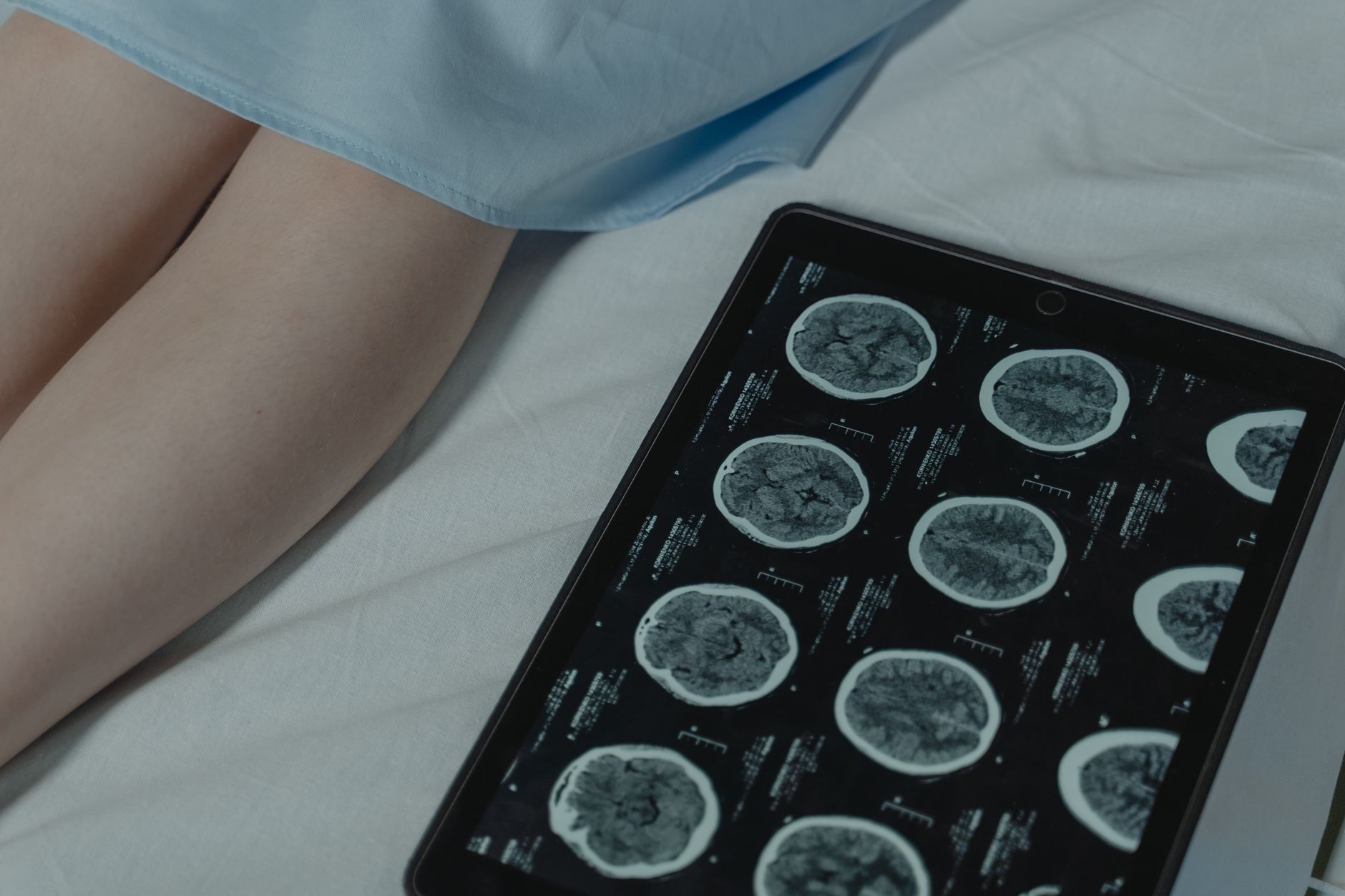
Digital games may reveal cognitive changes in Parkinson’s, but movement, sleep, vision, and medications can influence every score.
Digital games may reveal cognitive changes in Parkinson’s, but movement, sleep, vision, and medications can influence every score.

A major Danish cohort links long-term road noise with a small rise in Parkinson’s risk and highlights the value of a quiet-side bedroom.

Cleveland researchers identify a new Parkinson’s target while 150 companies race to develop 200 pipeline drugs—here’s what’s actually changing for patients in 2026.

New Parkinson’s treatments often have strict eligibility windows. Here’s what the 72-hour timeline actually means and how to act on it.
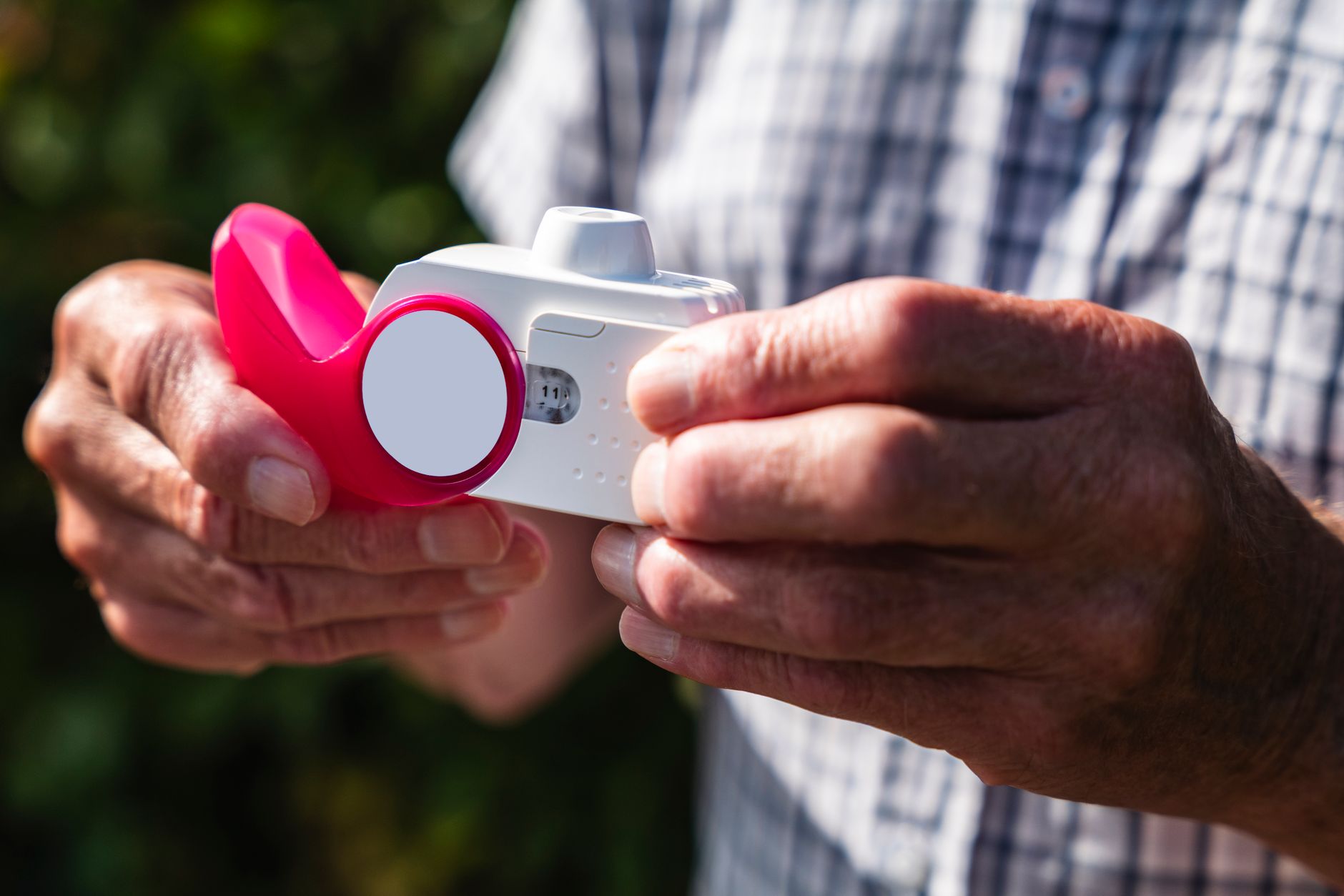
Over 200 Parkinson’s drugs are now in clinical trials, with FDA approvals and advanced therapies offering new options in 2026.
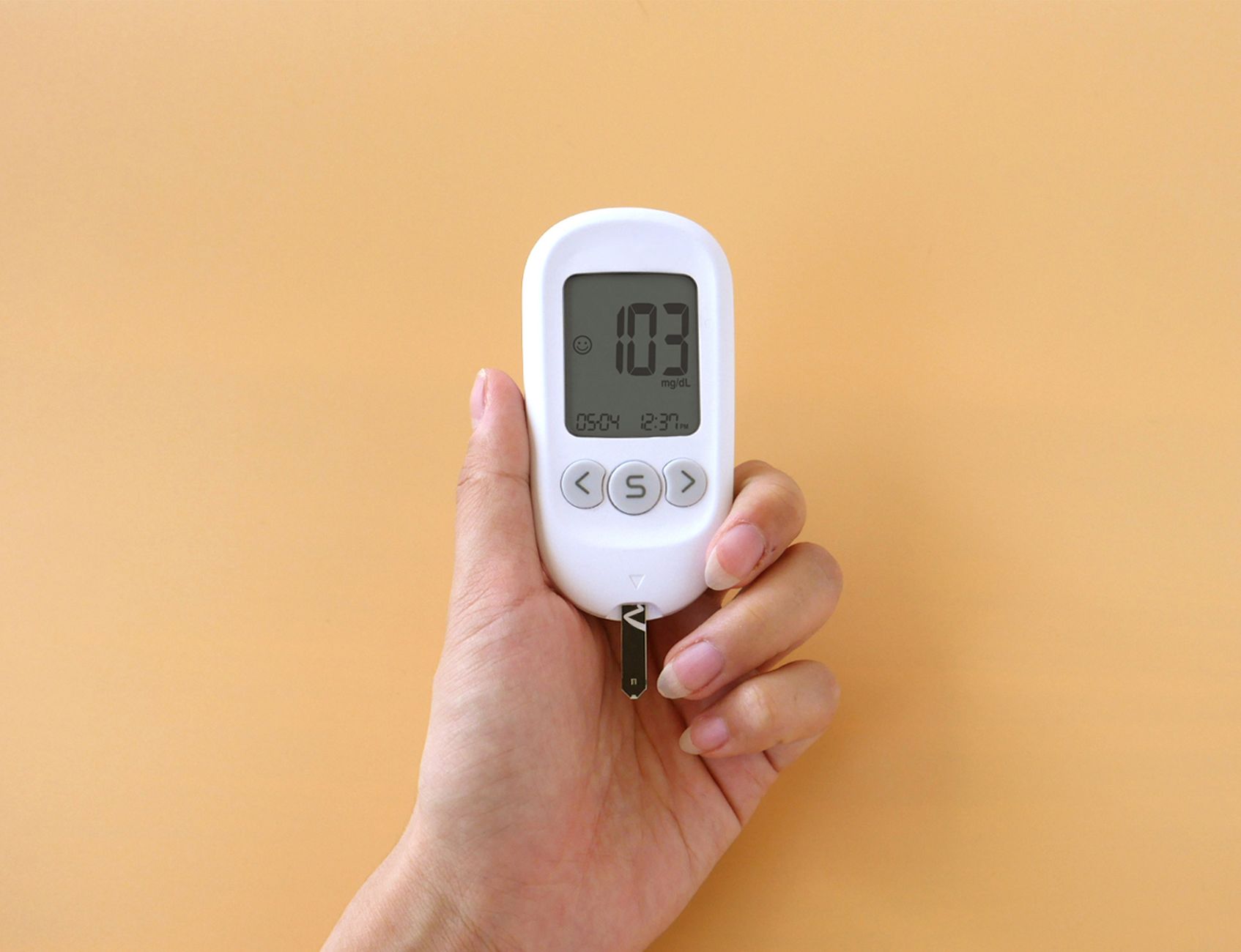
DaTscan shows 79-100% sensitivity and 97-98% specificity for Parkinson’s, but accuracy depends on disease stage and clinical context.
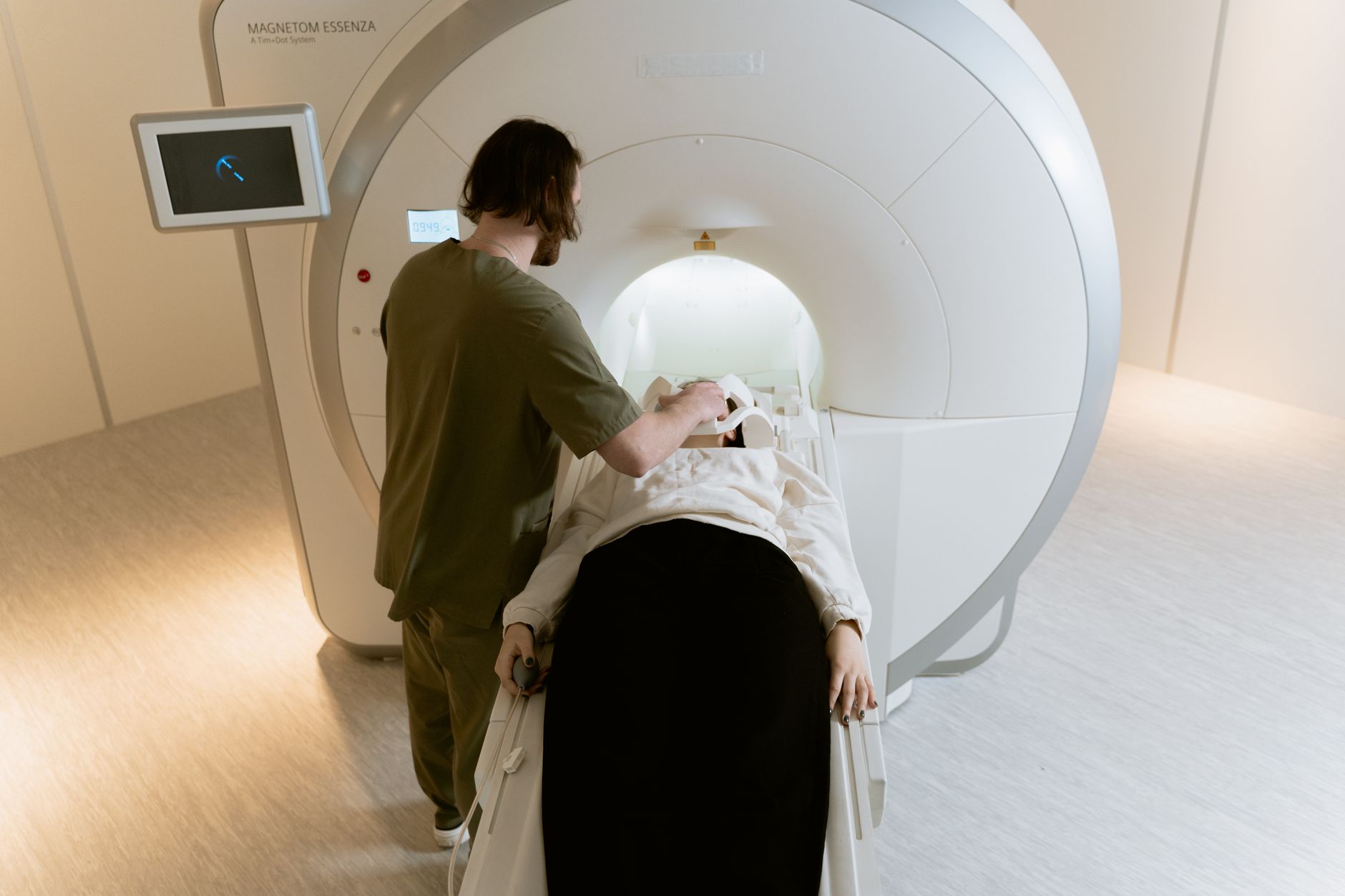
A DaTscan nuclear imaging test shows dopamine activity in the brain, helping doctors confirm Parkinson’s disease and rule out similar conditions.
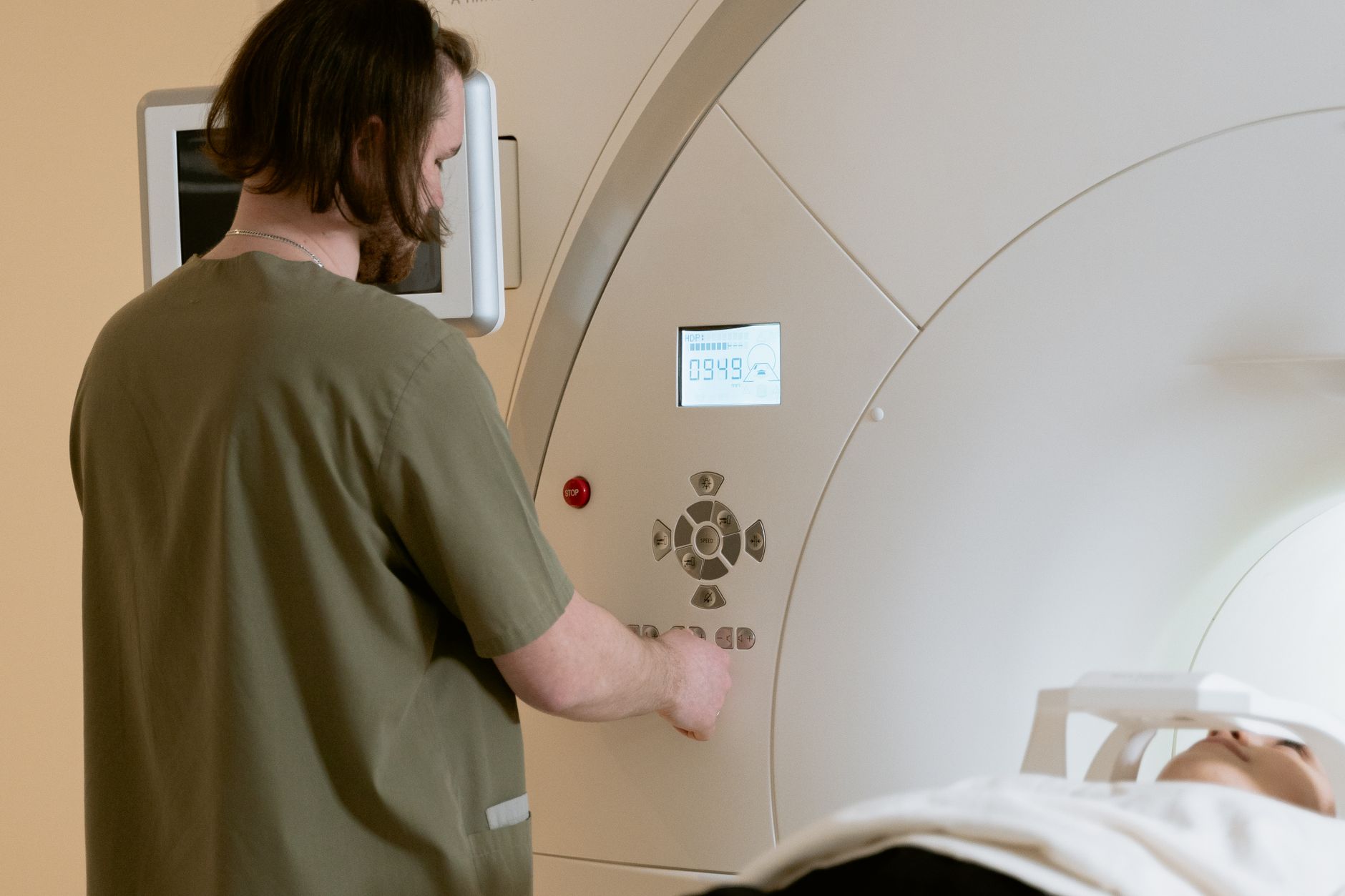
CT scans cannot diagnose Parkinson’s disease, but they’re vital for ruling out other serious conditions mimicking it.
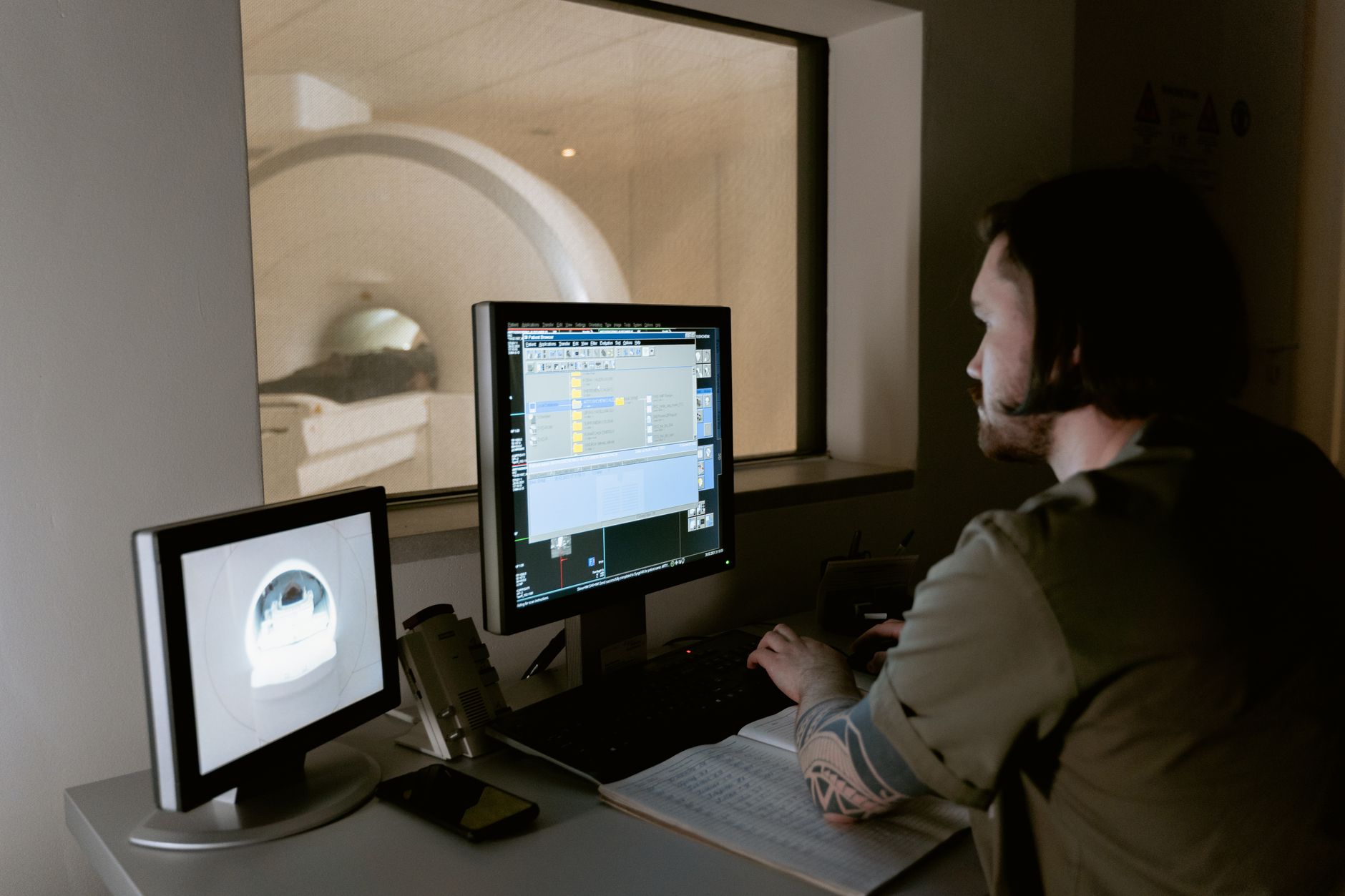
MRI can reveal brain changes in Parkinson’s patients, but it cannot diagnose the disease—it serves mainly to rule out other conditions.
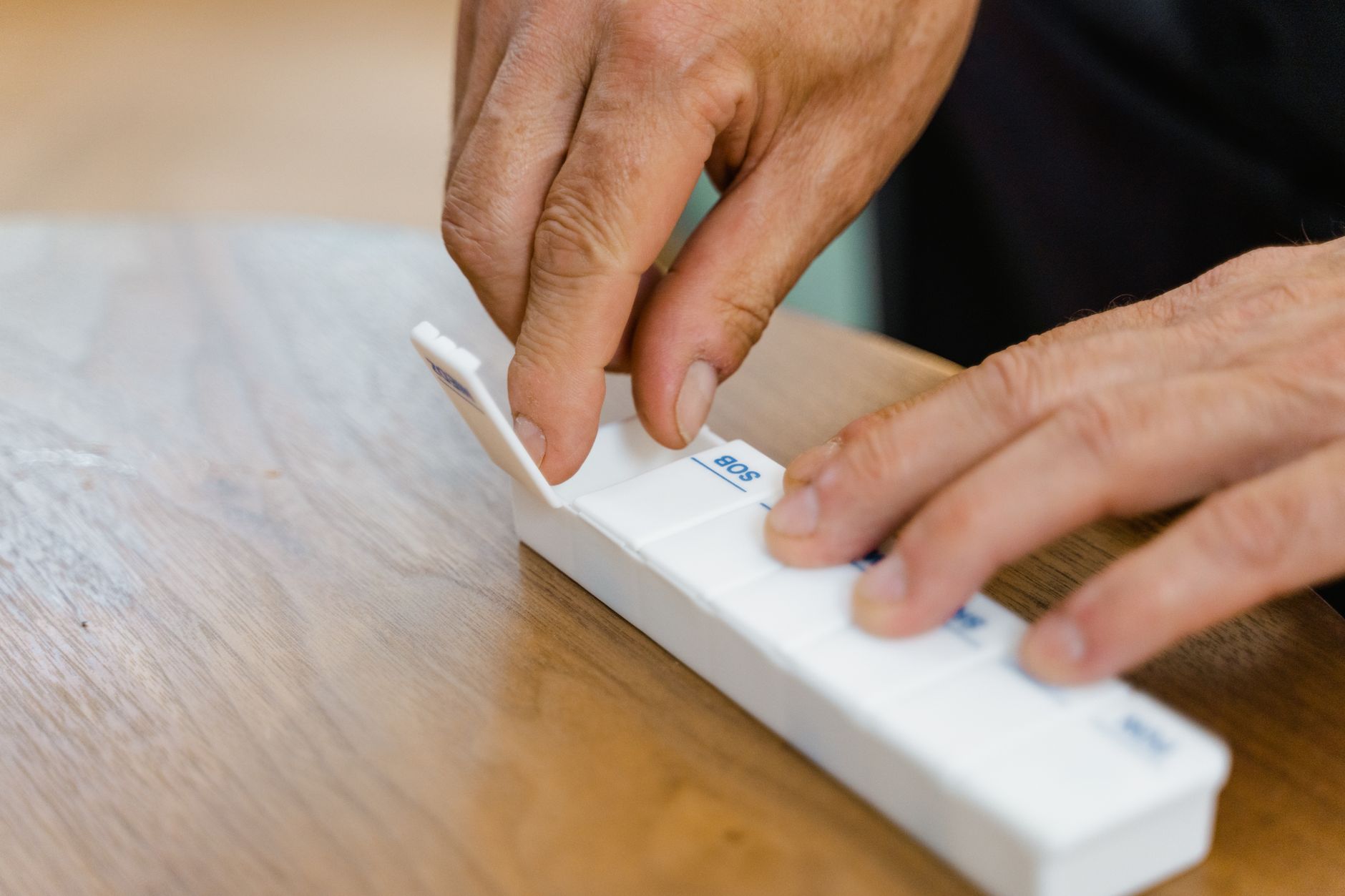
A Parkinson’s neurological exam uses standardized tests to assess motor symptoms, balance, cognition, and medication effects.