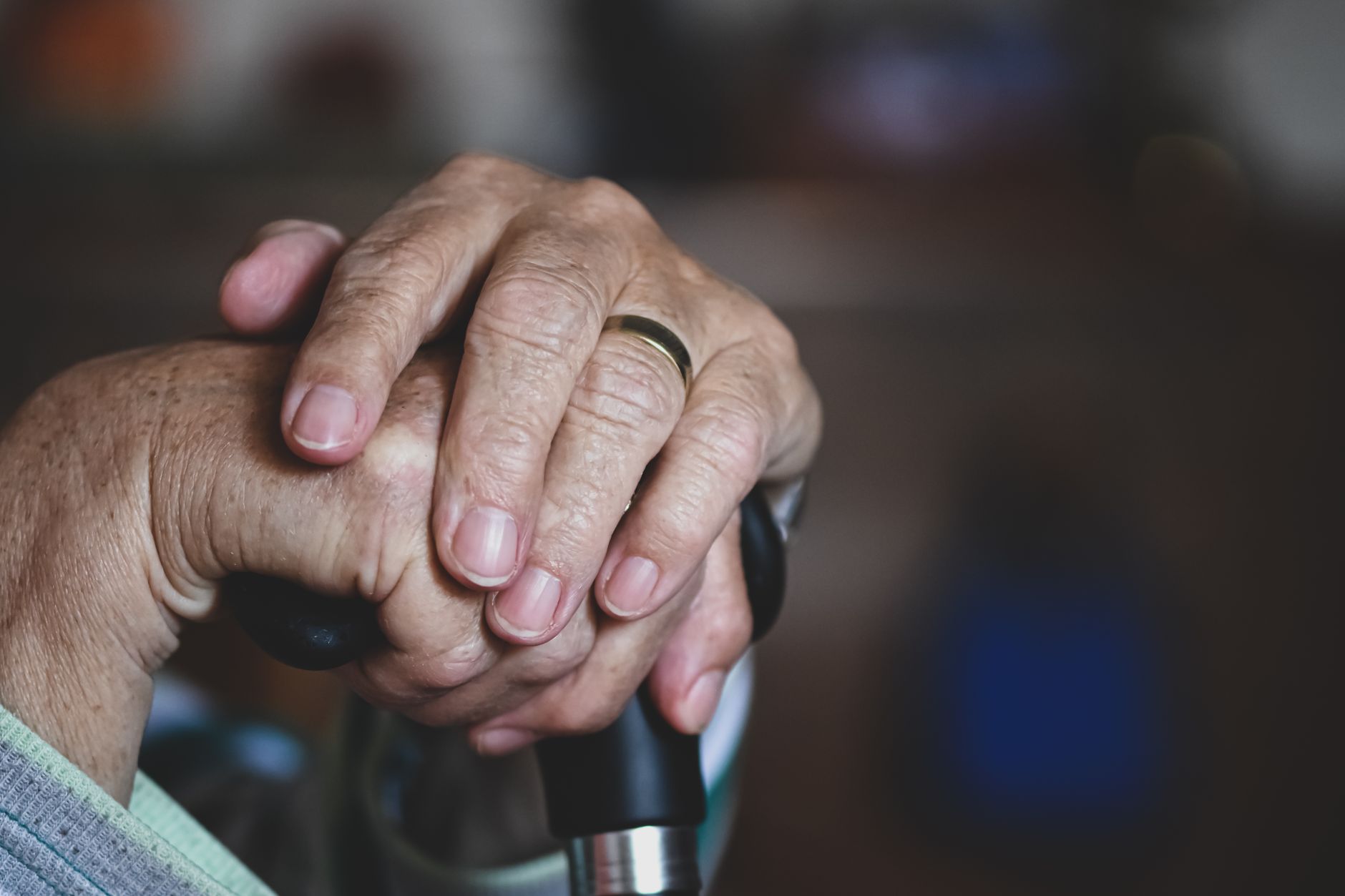
Living with Parkinson's in 2026 means managing motor and daily-living symptoms with more choices but no cure. Parkinson's disease lowers brain dopamine and causes tremor, stiffness, and slow movement. New options add flexibility for daily function. Exercise dose, medication adjustments, device therapy, and clearer test limits shape practical decisions.
Medical information disclaimer: This article is for general educational purposes only and does not provide medical advice, diagnosis, or treatment. Always consult a physician or other qualified health professional about symptoms, medications, tests, or treatment decisions.
Table of Contents
- What does the new once-daily pill do?
- When does brain stimulation adjust itself?
- How much exercise helps most?
- What can a skin test and vaccine do today?
- How do you plan when levodopa effects change?
- Frequently Asked Questions
What does the new once-daily pill do?
Juvmo, or tavapadon, is a once-daily tablet for adults with Parkinson's disease. It acts as a selective D1/D5 dopamine receptor agonist. Doctors can prescribe it with or without levodopa across disease stages, according to AbbVie in its September 2026 approval announcement. Approval rested on the three-trial TEMPO program.
Tavapadon as single therapy and as levodopa add-on improved daily-living and motor scores and added "on" time without troublesome dyskinesia. Nausea, dizziness, and headache were common. FDA lists Juvmo as a 2026 novel-drug approval, which means its ingredient had not been marketed in the United States. Novel status alone does not prove superiority to existing drugs.
When does brain stimulation adjust itself?
Medtronic BrainSense Adaptive deep-brain stimulation senses brain activity and self-adjusts stimulation in real time. FDA approved it on Feb. 24, 2025 as the first closed-loop DBS for Parkinson's, according to Medtronic in its approval announcement. The goal is steadier motor control with fewer manual changes.
People already using DBS or facing wearing-off periods often ask about it. A movement-disorder center evaluates brain targets, symptoms, medication response, and surgical risks. Adaptive DBS does not replace exercise or medication planning. Ask what settings the clinic will track, how often staff will review sensing data, and what caregiver support helps after programming visits.
How much exercise helps most?
Aim for 150 minutes per week of moderate-to-vigorous exercise. Combine aerobic, strength, balance and agility, plus stretching work, as recommended in 2026 guidelines from the Parkinson's Foundation and American College of Sports Medicine, described in the Foundation exercise guide.
That mix supports movement, mood, thinking, and independence. Brisk walking, cycling, resistance bands, tai chi, and dance classes can all count. Start at a pace where speech stays possible but slightly effortful.
📨 Get Free Parkinson's Guides Alerts
Free · No spam · Unsubscribe anytime
- Split 150 minutes into 3-5 weekly sessions
- Add strength work on 2 nonconsecutive days
- Add balance or agility drills twice weekly
- Stretch major joints after each session and track falls, freezing, and fatigue
What can a skin test and vaccine do today?
Skin-biopsy Syn-One detects phosphorylated alpha-synuclein, a protein linked to Parkinson's. In the 2024 Synuclein-One study it showed about 93% positive predictive value for Parkinson's and 95.5% for synucleinopathies. It confirms abnormal synuclein only and cannot alone diagnose Parkinson's or separate its subtypes. Experimental vaccine ACI-7104 targets clumped alpha-synuclein.
In Part 1 of Phase 2 VacSYn, 34 early-Parkinson participants met safety and immune-response goals with reported antibody responses. FDA gave only Fast Track and IND clearance on Aug. 11, 2026. For readers, the test may support a specialist workup that includes exam, history, and response to therapy. The vaccine remains investigational and is available only through clinical trials.
How do you plan when levodopa effects change?
Levodopa plus carbidopa remains the mainstay for replacing brain dopamine. After nine or more years, about 70% develop motor fluctuations and about 90% develop dyskinesia. Long-term care then relies on exercise, medication adjustment, and, for some, device therapies. Build a simple weekly check with your care team.
Note "off" periods, involuntary movements, sleep, blood pressure drops, and fall risks. Bring a current drug list, dose times, and what helps or worsens symptoms. Caregivers can keep routines steady and safe. Keep pathways clear, install grab bars, schedule demanding tasks during "on" time, and arrange respite before exhaustion sets in.
Frequently Asked Questions
Can Juvmo replace levodopa?
It is approved for use with or without levodopa across stages. Your doctor sets whether it serves as single therapy or add-on.
Does a positive skin biopsy mean I have Parkinson's?
No. It shows abnormal synuclein. A specialist still weighs exam findings, history, and other causes.
Does 150 minutes of exercise require vigorous workouts?
No. Moderate effort counts. Mix aerobic, strength, balance, and stretching across the week.
You Might Also Like
- Parkinson’s Disease Davis Phinney Foundation Update 2026: Evidence and Open Questions
- Neil Diamond Parkinson’s Update 2026: Evidence and Open Questions
- Protein and Levodopa Update 2026: Evidence and Open Questions