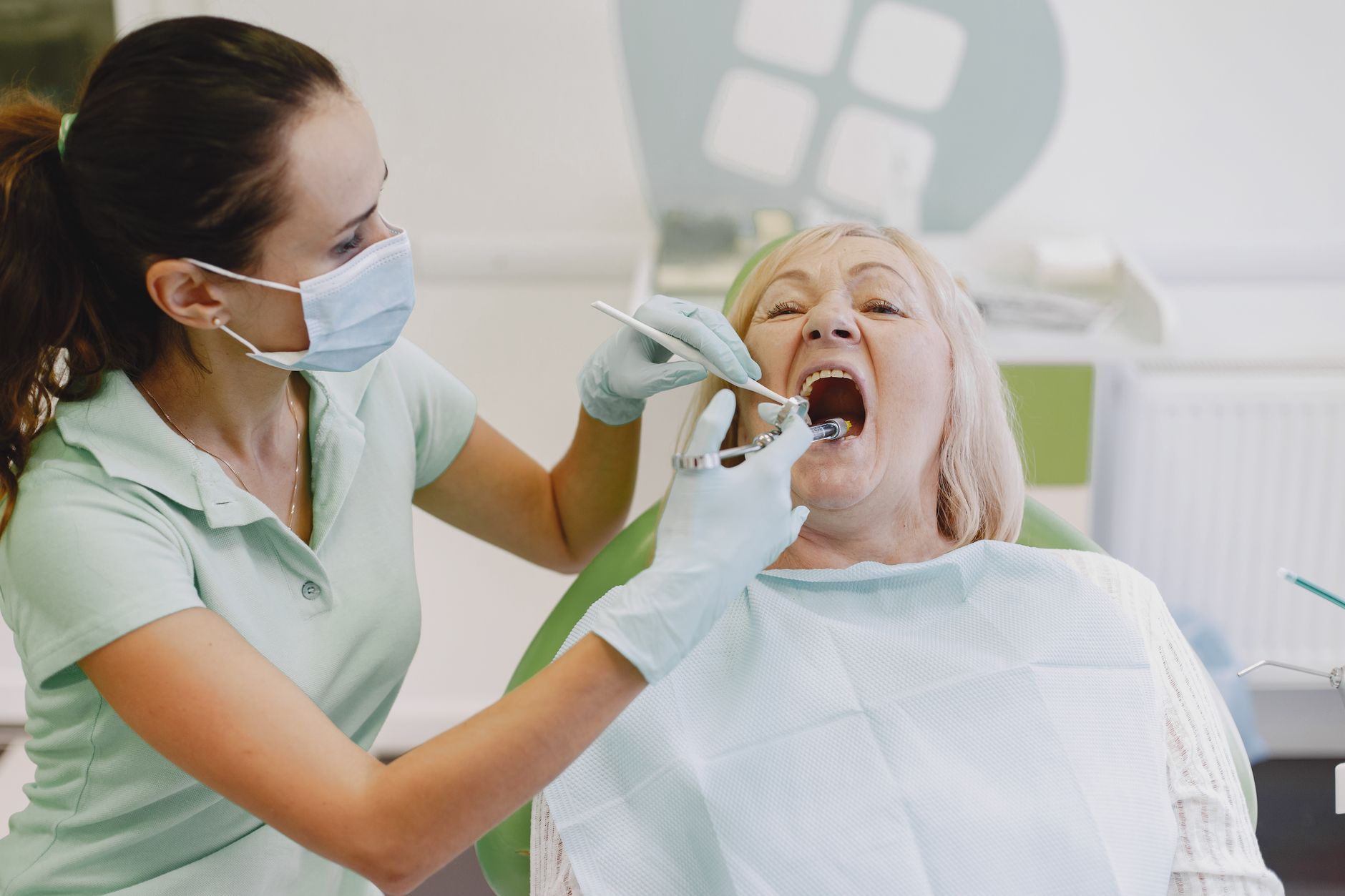
Parkinson's dental care means working around tremor, stiffness and dry mouth to protect teeth and gums. It centers on adaptive brushing tools, daily moisture care and appointments timed for when medicines work best. Tremor, slowness and involuntary movements make thorough cleaning harder. Dry mouth raises cavity and gum-disease risk, while swallowing changes can let saliva pool and cause drooling.
Medical information disclaimer: This article is for general educational purposes only and does not provide medical advice, diagnosis, or treatment. Always consult a physician or other qualified health professional about symptoms, medications, tests, or treatment decisions.
Table of Contents
- Why does brushing get harder
- How do you manage dry mouth and drooling
- When and how should you book the visit
- What should the dentist change in the chair
Why does brushing get harder
Tremor, stiffness, slowness and involuntary movements make brushing and flossing harder for people with Parkinson's. The Michael J. Fox Foundation recommends six-month checkups plus adaptive tools such as electric or weighted toothbrushes and flossing aids its Ask the MD column on dental care.
Electric and weighted toothbrushes reduce the effort needed for thorough cleaning. Flossing aids help when grip and coordination slip. The College of Dental Hygienists of Ontario reports that rigidity and tremor impair self-care. It notes people with Parkinson's often need more frequent professional cleanings plus checks of denture comfort and fit.
How do you manage dry mouth and drooling
The Michael J. Fox Foundation notes Parkinson's drugs such as trihexyphenidyl, plus some antidepressant and bladder medicines, can cause dry mouth. Dry mouth raises cavity and gum-disease risk.
Parkinson's UK explains that drooling usually reflects reduced swallowing rather than excess saliva its guide to mouth and dental issues. Pooled saliva can inflame the mouth corners. Guidance recommends upright posture and lip balm or petroleum jelly for sore corners. It also recommends referral to speech therapy or a GP or nurse for ongoing drooling.
📨 Get Free Parkinson's Guides Alerts
Free · No spam · Unsubscribe anytime
- Sip water through the day
- Chew sugar-free gum
- Use saliva substitutes
- Brush and floss twice daily
When and how should you book the visit
The Michael J. Fox Foundation advises patients to schedule visits when medicines work best and symptoms are controlled.
Patients should disclose Parkinson's when booking and warn staff that stress may worsen tremor or dyskinesia, or involuntary movements, in the chair. The same source notes about 90 percent of people with Parkinson's use Medicare, which generally excludes routine cleanings and fillings. Verify dental coverage and assistance options before booking.
What should the dentist change in the chair
Parkinson's UK notes dentists can adapt treatment by having the patient bite on a block to hold the mouth open or squeeze a ball to dampen tremor its clinical adaptation guidance. Strategy should match the patient's symptoms.
People with Parkinson's who have a deep brain stimulator must tell the dentist. The Michael J. Fox Foundation warns the electrical diathermy technique used to cut tissue or stop bleeding can damage the stimulator system.
You Might Also Like
- Parkinson’s Dry Mouth: Medication, Hydration, and Dental Care
- Young-Onset Parkinson’s Disease: Symptoms, Work, and Family Planning
- Parkinson’s Sexual Health: Symptoms, Medication, and Communication