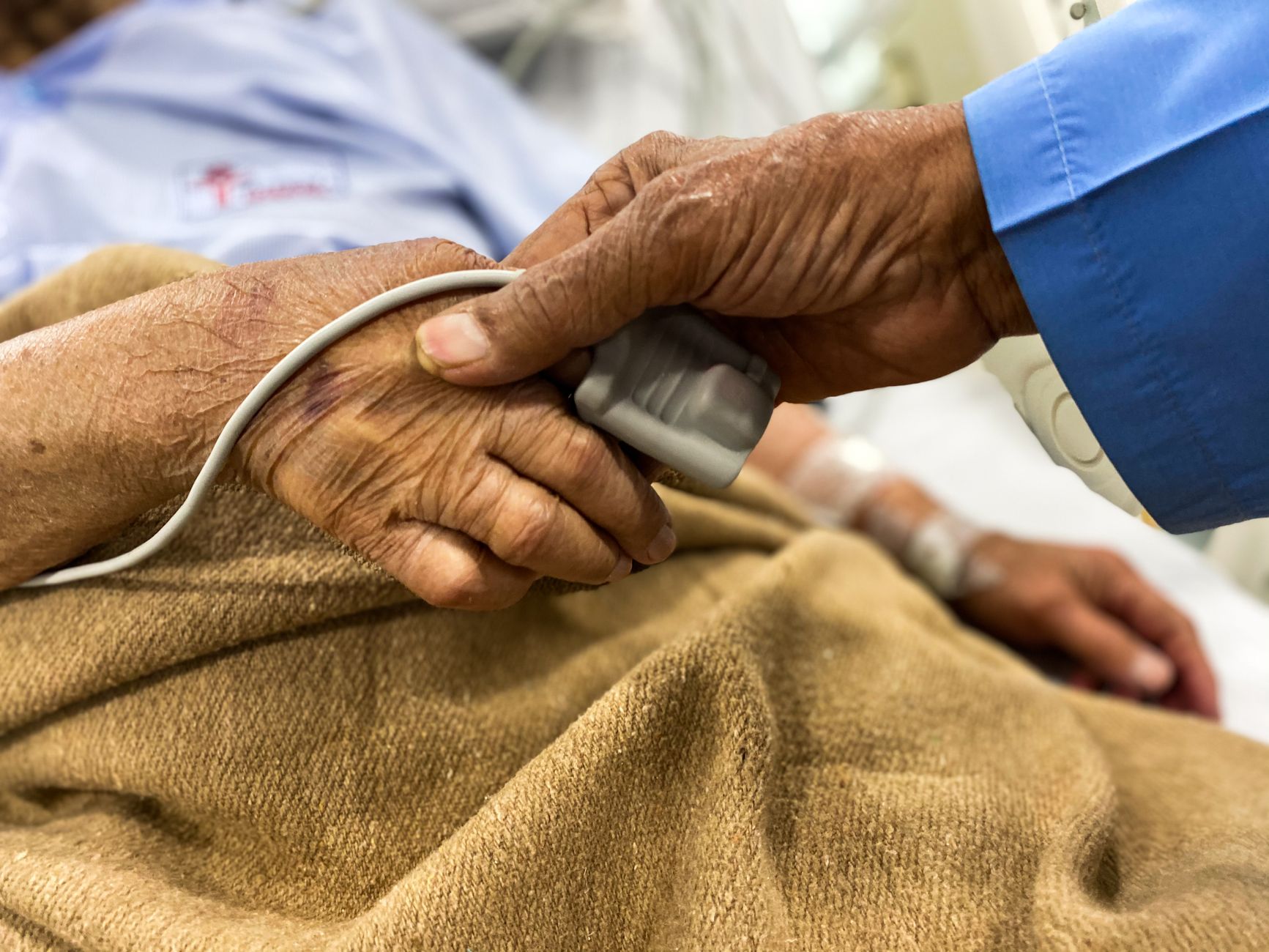
Parkinson's disease is a progressive brain disorder that mainly impairs movement but can also affect sleep, mood, thinking, pain, and daily function. In 2026, it has no cure, but medicines, surgery, and rehabilitation can reduce symptoms and support independence. It most often affects older adults, though younger-onset cases occur. The practical next step for possible symptoms is clinical assessment, not self-diagnosis, because several movement disorders can look similar.
Medical information disclaimer: This article is for general educational purposes only and does not provide medical advice, diagnosis, or treatment. Always consult a physician or other qualified health professional about symptoms, medications, tests, or treatment decisions.
Table of Contents
- What Parkinson's Disease Affects
- Who Gets Parkinson's?
- How Is Parkinson's Diagnosed?
- What Treatments Can Help?
- What Should a Person Do Next?
What Parkinson's Disease Affects
parkinson's disease develops as the brain becomes less able to control movement. Common movement changes include slowness, tremor, rigidity, gait problems, and balance difficulties. The disease can also affect non-motor functions.
Sleep problems, mood changes, thinking difficulties, pain, and reduced ability to manage everyday activities may be important parts of the condition. Symptoms and their impact vary widely. One person may struggle mainly with tremor, while another may face walking problems, sleep disruption, or changes in mood and thinking.
Who Gets Parkinson's?
Age is the strongest pattern in the available population data. In the United States, about 1.1 million people live with Parkinson's, and nearly 90,000 receive a diagnosis each year, according to the Parkinson's Foundation's U.S. statistics. Men are about 1.5 times as likely as women to be affected in those U.S. estimates.
About 4% of people diagnosed receive that diagnosis before age 50, so Parkinson's is not exclusively an older person's disease. U.S. mortality data show the sharpest burden among older adults. The 2024 death rate rose from 18.5 per 100,000 people aged 65–74 to 227.0 per 100,000 among people aged 85 or older, and rates were higher for men in every age group, according to the CDC National Center for Health Statistics. Globally, the World Health Organization estimated that more than 8.5 million people had Parkinson's in 2019. The same estimate counted 5.8 million disability-adjusted life years and 329,000 deaths, with substantial increases since 2000, as reported in the WHO fact sheet.
How Is Parkinson's Diagnosed?
No single test definitively diagnoses Parkinson's. Clinicians rely mainly on a neurological history and examination, while laboratory tests and brain scans can help rule out other explanations. Research tests that detect alpha-synuclein, a protein associated with Parkinson's, do not yet separate Parkinson's from every similar disorder. The National Institute of Neurological Disorders and Stroke notes that available tests can overlap with some related conditions.
📨 Get Free Parkinson's Guides Alerts
Free · No spam · Unsubscribe anytime
That limitation matters because treatment decisions depend on the actual pattern of symptoms and the person's risks. Progressive slowness, tremor, rigidity, gait or balance changes, or important non-motor symptoms warrant medical assessment. Before an appointment, record when symptoms began, whether they affect one or both sides, how they change during the day, and any sleep, mood, thinking, pain, or medication concerns. This information can help the clinician build a clearer history.
What Treatments Can Help?
Treatment aims to reduce symptoms and preserve function; it does not remove the underlying disease. Levodopa is commonly combined with carbidopa, while other care may address movement and non-motor symptoms according to the individual's needs. Deep-brain stimulation may help some people with tremor and reduce medication needs.
Rehabilitation can also be important: strength, gait, and balance training may improve function and quality of life, according to the World Health Organization. A useful treatment discussion includes: There is no universal treatment sequence. The best plan depends on symptoms, disease progression, daily priorities, and the balance between expected benefit and possible adverse effects.
- Which symptoms interfere most with walking, work, sleep, safety, or self-care
- Which benefits are realistic from medicine, surgery, or rehabilitation
- Which adverse-effect risks matter most for the person
- What support caregivers may need as daily tasks become harder
What Should a Person Do Next?
Start with a clinical appointment if symptoms are progressive, interfere with daily life, or include unexplained walking, balance, or movement changes. A primary-care clinician may begin the evaluation and determine whether referral to a neurologist is appropriate. Bring a current medication list and a brief symptom timeline. Include falls, changes in handwriting or walking, tremor, stiffness, sleep problems, mood changes, thinking concerns, pain, and changes in everyday function.
Seek prompt medical attention for a sudden change in movement, sudden weakness, severe confusion, or another abrupt neurological change. Parkinson's usually requires careful evaluation over time; a sudden new problem should not automatically be attributed to it. Caregivers can help by documenting changes, attending appointments when the person agrees, and identifying practical risks at home. The central warning is simple: symptoms that resemble Parkinson's can have other causes, so assessment is the safest path before choosing treatment.
You Might Also Like
- How to Verify Parkinson’s Disease Claims in 2026: NIH, FDA, and trial records, Evidence, and Red Flags
- What Is New With Parkinson’s Disease in September 2026? Latest NIH, FDA, and trial records and Key Takeaways
- Parkinson’s Disease FAQ for September 2026: Source-Checked Answers to Common Questions