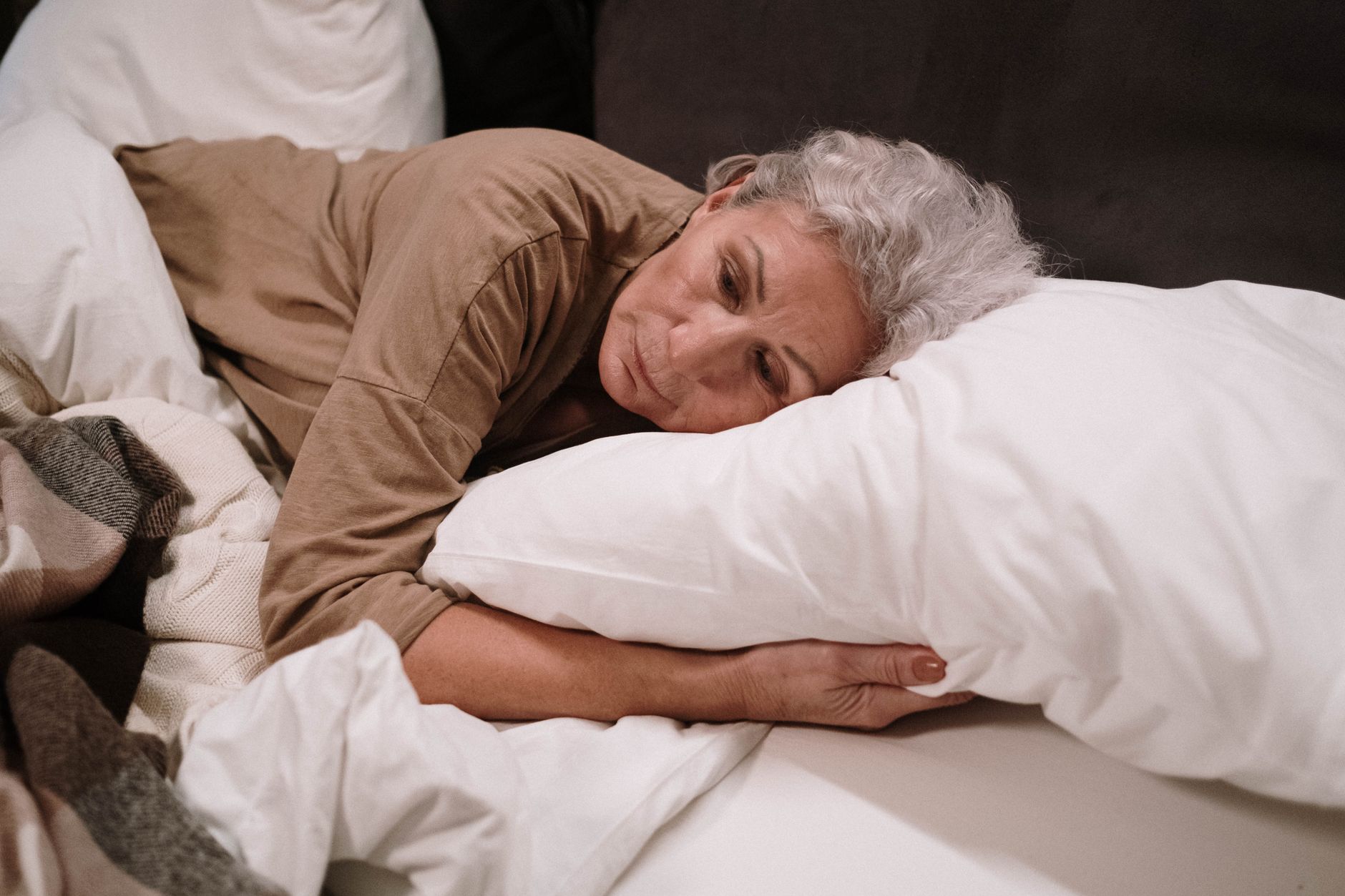
Parkinson's sleep problems are extremely common and wide-ranging, from insomnia to dream-enacting behavior and sleep apnea. Recent research clarifies how often they occur, how they affect daily life, and where treatment gaps remain. Poor sleep in Parkinson's means disrupted nights plus harder days. It affects mood, independence, and how steadily medication controls movement symptoms.
Medical information disclaimer: This article is for general educational purposes only and does not provide medical advice, diagnosis, or treatment. Always consult a physician or other qualified health professional about symptoms, medications, tests, or treatment decisions.
Table of Contents
- How common are sleep problems?
- Which sleep disorders show up most?
- Why does poor sleep matter during the day?
- What can improve nights and safer days?
How common are sleep problems?
Analysis of almost 54,000 Fox Insight participants, including 38,588 people with Parkinson's, found about 84% with Parkinson's reported difficulty falling or staying asleep. Maynooth University reported that rate as far above same-age general population rates in its Maynooth University summary.
Objective testing finds even more. Video-polysomnography research reported nearly 94% of Parkinson's patients had at least one objective sleep finding. Findings included apnea, periodic limb movements, or REM sleep without atonia.
Which sleep disorders show up most?
Insomnia centers on staying asleep. A controlled polysomnography study found insomnia in 41% of 162 Parkinson's participants versus 21% of 58 controls, according to the npj Parkinson's Disease study. The difference came mainly from difficulty maintaining sleep after adjusting for age, sex, and apnea severity. Obstructive sleep apnea is also frequent. A 17-study meta-analysis of 1,448 Parkinson's patients estimated pooled apnea prevalence at 45%, the U.S.
National Library of Medicine record reports in its PubMed record for the apnea meta-analysis. It was associated with older age, male sex, higher BMI, worse motor symptoms, and periodic limb movements. REM sleep behavior disorder means people physically act out dreams. The Journal of Neurology, Neurosurgery & Psychiatry describes it as the most reliable prodromal biomarker for alpha-synucleinopathies including Parkinson's. It often precedes motor onset by several years.
📨 Get Free Parkinson's Guides Alerts
Free · No spam · Unsubscribe anytime
Why does poor sleep matter during the day?
In the same large Fox Insight cohort, self-reported sleep problems were linked to greater depression and greater difficulty living independently. The U.S. National Library of Medicine PubMed record for the study links them to lower quality of life and more severe OFF periods when medication wears off in its PubMed record for the Journal of Sleep Research study. OFF periods mean stiffness, slowness, or tremor return before the next dose takes effect.
Poor sleep does not only cause tiredness. It tracks with mood, function, and less stable symptom control. Objective burden also rises with disease progression. The video-polysomnography findings correlated with motor burden and disease duration. That pattern makes sleep review especially useful as movement symptoms advance.
What can improve nights and safer days?
For REM behavior disorder, The Michael J. Fox Foundation states clonazepam or over-the-counter melatonin are most commonly used. For sleep apnea, it points to CPAP or a dental appliance.
It also points to sleep-hygiene, daily scheduling, and medication-timing review. Practical review with a clinician can cover: Excessive daytime sleepiness needs individualized care. Reviews note few specific treatment guidelines and no trials for sudden sleep onset in Parkinson's. Care centers on nighttime sleep, dopaminergic drugs — especially agonists — and driving safety.
- Snoring, witnessed apneas, morning headaches, or dry mouth
- Vivid dreams, shouting, punching, or falling from bed
- Leg jerks, trouble staying asleep, or frequent bathroom trips
- Daytime napping, drowsiness while reading or riding, and drowsy driving
- Bedtime, caffeine, alcohol, exercise timing, and evening Parkinson's doses
You Might Also Like
- Occupational Therapy Parkinson’s Research Review: Findings, Gaps, and Practical Context
- Understanding Parkinson’s Fatigue: Evidence, Limits, and Next Steps
- How to Verify Daily Living for Parkinson’s Disease Claims in 2026: NIH, FDA, and trial records, Evidence, and Red Flags