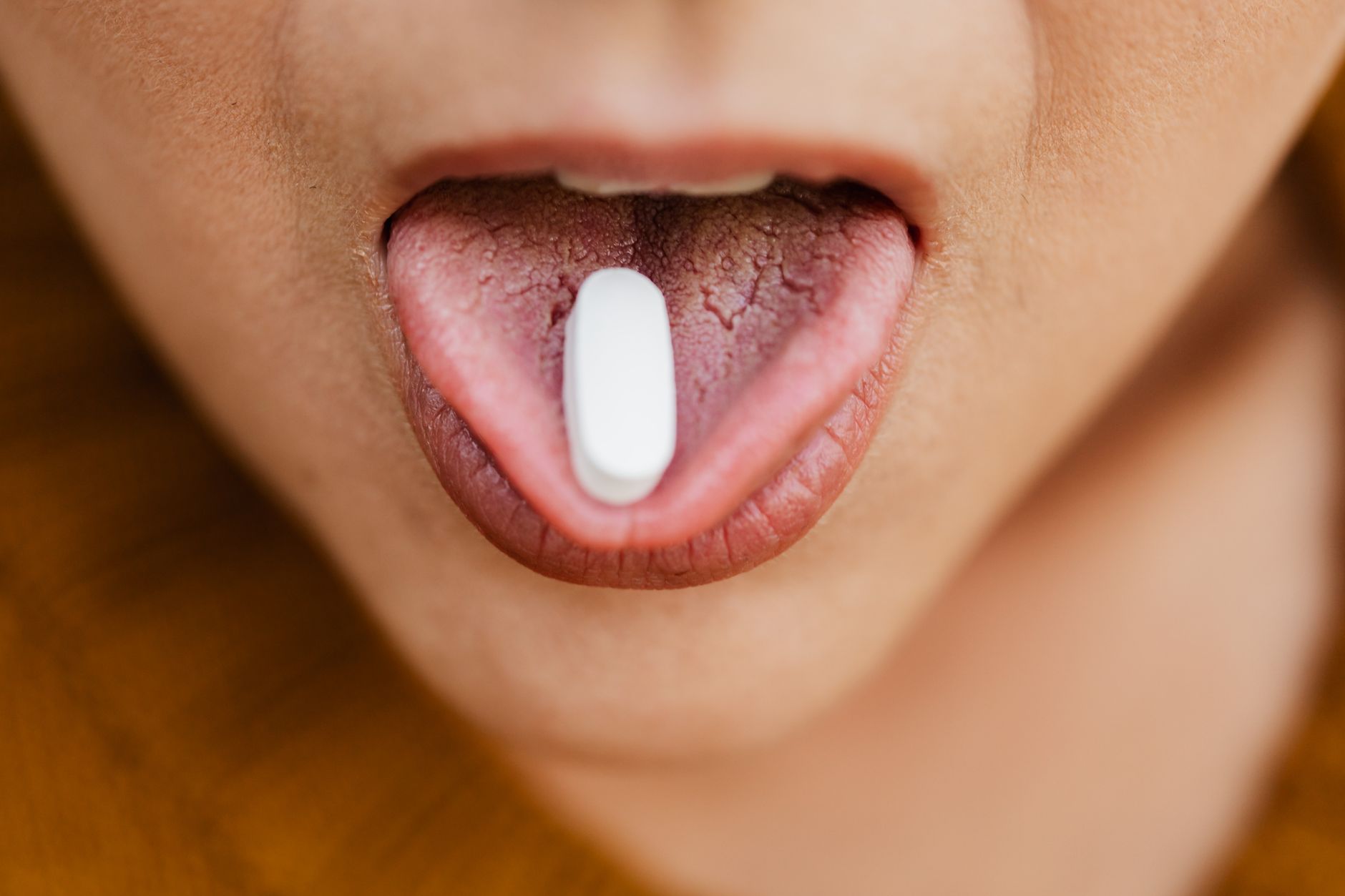
Swallowing problems in Parkinson's mean difficulty moving food, liquid, pills, or saliva from mouth to stomach. Warning signs include coughing during meals and food feeling stuck, and evaluation starts with a speech specialist and may include imaging tests. Doctors call this difficulty dysphagia. The National Foundation of Swallowing Disorders describes swallowing changes in Parkinson's disease as able to occur at any stage, affecting the mouth, throat, and esophagus, with symptoms from mild to severe.
Medical information disclaimer: This article is for general educational purposes only and does not provide medical advice, diagnosis, or treatment. Always consult a physician or other qualified health professional about symptoms, medications, tests, or treatment decisions.
Table of Contents
- How Parkinson's changes swallowing
- Which warning signs matter most?
- Why problems can go unnoticed
- What happens during evaluation?
How Parkinson's changes swallowing
People with Parkinson's swallow less often and less automatically. Saliva pools in the mouth instead of clearing. Pills or bites may stick or move slowly.
This is not only a throat issue. Weak mouth control leaves residue after chewing. A delayed throat trigger lets material linger near the airway.
Which warning signs matter most?
Watch meals closely, because early changes are easy to miss. Common signals involve effort, cough, voice change, and longer meals.
A wet voice after a sip, pills held over for a second swallow, or avoiding crisp foods are practical examples. Note what triggers the problem and tell the care team.
📨 Get Free Parkinson's Guides Alerts
Free · No spam · Unsubscribe anytime
- Trouble swallowing certain foods, liquids, or pills
- Coughing or throat clearing during or after eating
- Feeling that food is stuck in the throat or chest
- Drooling, choking, or taking a long time to finish meals
- Weight loss, dehydration, or a wet, gurgled voice during meals
Why problems can go unnoticed
Many people do not feel their own swallowing change. A bedside exam alone can miss silent entry of food, liquid, or saliva into the airway. That gap matters because aspiration can occur without cough.
The Michael J. Fox Foundation summarizes aspiration pneumonia research in Parkinson's as food, liquid, or saliva entering the lungs, a leading cause of death, made worse by weak cough. Do not wait for pneumonia, fever, or major weight loss to ask for help.
What happens during evaluation?
The Parkinson's Foundation outlines speech and swallowing evaluation as starting with a speech-language pathologist, including watching eating and drinking, using swallowing questionnaires, and referral for instrumental testing when dysphagia is suspected. Bring a list of problem foods, pill issues, cough episodes, chest infections, and weight changes.
If testing is needed, the American Speech-Language-Hearing Association lists gold-standard instrumental swallowing assessments as videofluoroscopic swallow study, also called modified barium swallow, and fiberoptic endoscopic evaluation of swallowing, called FEES. One uses X-ray video during barium-coated swallows. The other uses a thin scope to view the throat during swallows.
You Might Also Like
- Swallowing Problems Parkinson’s Update 2026: Evidence and Open Questions
- I Cough When Drinking Water With Parkinson’s: Ask About a Swallowing Assessment
- Protein and Levodopa Update 2026: Evidence and Open Questions