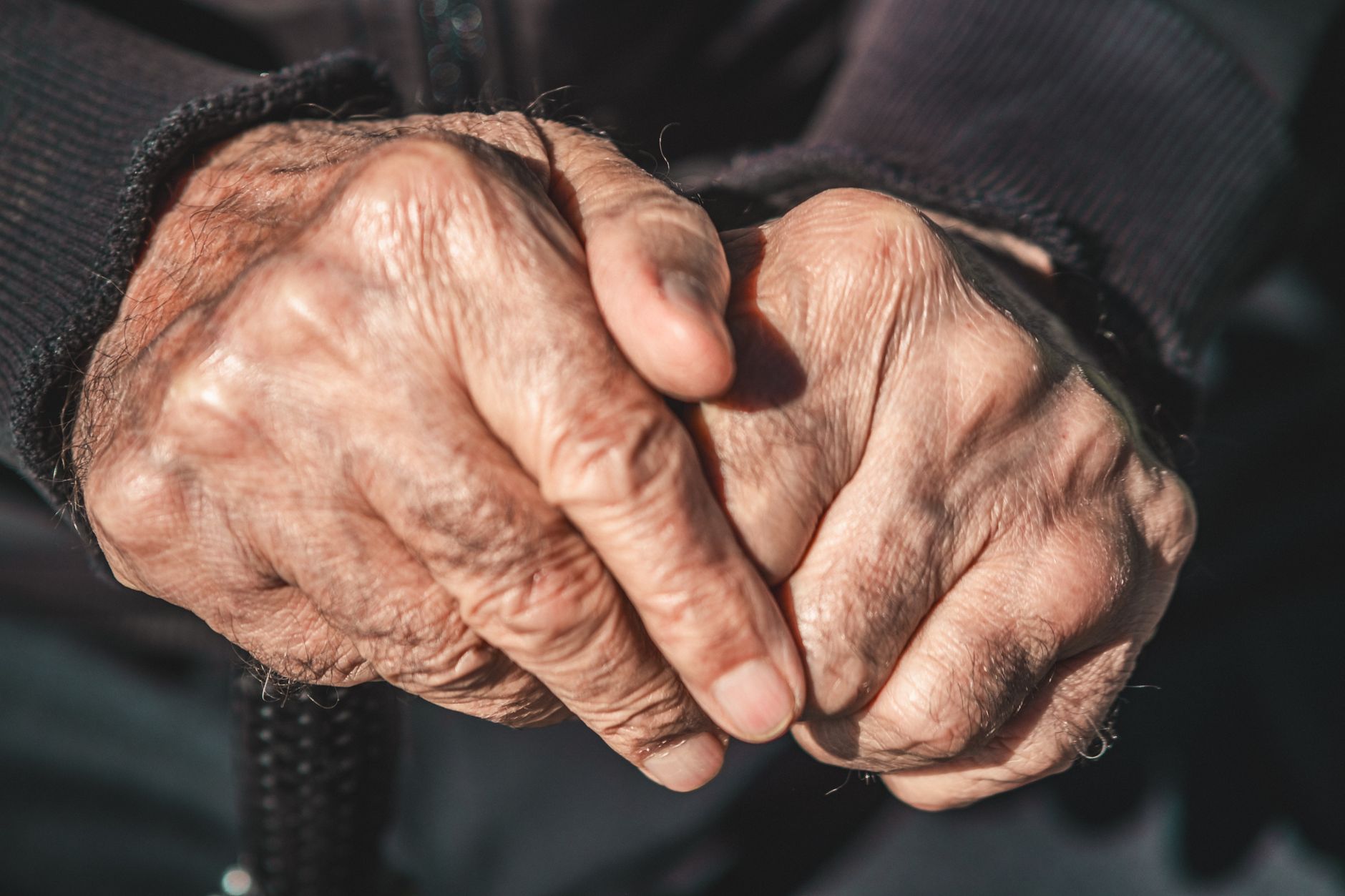
Parkinson’s disease is most likely to develop in adults aged 60 and older, with men diagnosed approximately 1.5 times more frequently than women. While age remains the single strongest risk factor, the actual likelihood of developing Parkinson’s involves a complex combination of genetics, environmental exposures, and individual health history that varies significantly from person to person.
The majority of people diagnosed with Parkinson’s—about 90 percent—first show symptoms after age 50. However, younger adults can develop the condition too; roughly 5 to 10 percent of cases occur before age 40, sometimes called early-onset Parkinson’s disease. A 65-year-old man with a parent who had Parkinson’s faces a notably higher risk than a 65-year-old woman with no family history, illustrating how multiple factors interact to influence who develops the disease.
Table of Contents
- Why Age Matters Most in Parkinson’s Development
- Gender Differences and Male Predominance
- Family History and Genetic Risk Factors
- Environmental and Occupational Exposures
- Race, Ethnicity, and Geographic Variations
- Medical Conditions and Medication Exposure
- Smoking and Caffeine: The Protective Paradox
Why Age Matters Most in Parkinson’s Development
Age is the most reliable predictor of Parkinson’s disease risk, with the incidence increasing dramatically after age 60. The condition is rare before age 40 but becomes increasingly common with each decade of life. By age 80, approximately 1 percent of the population has been diagnosed, compared to fewer than 0.1 percent of people in their 50s. The biological mechanisms behind age-related vulnerability remain incompletely understood.
Scientists believe that the gradual accumulation of cellular damage, changes in dopamine-producing neurons, and the brain’s reduced ability to clear toxic proteins all contribute to increased risk in older adults. Additionally, longer exposure to environmental toxins and lifestyle factors over a lifetime compounds the risk—a 75-year-old has had 30 additional years of potential exposure compared to a 45-year-old. A significant limitation of age-based risk predictions is that chronological age alone cannot predict who will develop Parkinson’s. Many people in their 80s and 90s never develop the disease, while some individuals in their 40s do, indicating that age is a necessary but insufficient factor.
Gender Differences and Male Predominance
Men develop Parkinson’s disease at roughly 1.5 times the rate of women across most age groups and populations. This male predominance has been consistently documented in research across North America, Europe, and Asia, though the exact reasons remain debated among neurologists and researchers. Several hypotheses may explain why men are more likely to develop Parkinson’s.
One theory focuses on estrogen, the hormone that may provide neuroprotective benefits to women’s brains—a protective effect that disappears after menopause, which is why the gender gap narrows in very elderly women. Another possibility involves differences in occupational exposures, as men historically have worked more frequently in industries associated with pesticide and heavy metal exposure. Genetic factors and behavioral differences in smoking and drinking patterns between men and women might also play roles, though research has not definitively established any single mechanism. However, women with Parkinson’s often experience different symptom patterns than men, including more prominent tremor and potentially faster disease progression in some cases, making the diagnosis and treatment experience distinctly different despite the lower overall incidence.
Family History and Genetic Risk Factors
Approximately 10 to 15 percent of people with Parkinson’s report having a family member with the disease, indicating that genetic factors contribute meaningfully to risk. Having a parent, sibling, or child diagnosed with Parkinson’s significantly increases an individual’s lifetime risk compared to someone with no family history. Specific genetic mutations, such as those in the LRRK2, GBA, PARK2, and PARK7 genes, can cause inherited forms of Parkinson’s.
A person carrying one of these mutations may have a 20 to 80 percent lifetime risk of developing the disease, depending on the specific mutation and other factors. For example, individuals with LRRK2 mutations have approximately a 30 percent lifetime risk by age 80, meaning that carrying the mutation does not guarantee the disease will develop. A critical limitation is that having a family history does not mean someone will definitely develop Parkinson’s, and conversely, the majority of people diagnosed with Parkinson’s have no known affected relatives. This suggests that most cases involve either newly acquired genetic mutations or the complex interaction of multiple common genetic variations with environmental factors, rather than a single inherited cause.
Environmental and Occupational Exposures
Long-term exposure to pesticides, herbicides, and heavy metals such as manganese has been linked to increased Parkinson’s risk in multiple epidemiological studies. Workers in agriculture, manufacturing, mining, and welding face elevated occupational exposure to these substances and show higher Parkinson’s incidence rates than the general population. A 62-year-old former farm worker who spent 40 years applying pesticides without protective equipment faces considerably higher risk than a 62-year-old office worker with no such exposure history.
Similarly, people who have lived near industrial sites or areas with heavy vehicular traffic may experience chronic low-level exposure to manganese and other air pollutants. These environmental factors appear to act more as risk multipliers than direct causes—they increase vulnerability, especially when combined with age and genetic predisposition. One important caveat is that not all people exposed to these substances develop Parkinson’s, and identifying the specific exposure responsible for an individual’s disease is often impossible, since exposures occurred years or decades before symptom onset and multiple exposures typically occur simultaneously.
Race, Ethnicity, and Geographic Variations
Parkinson’s disease is diagnosed more frequently in people of European descent than in Asian, African American, or Hispanic populations, though this observation reflects partly actual differences in incidence and partly differences in access to diagnosis. In some regions, misdiagnosis or underdiagnosis in non-White populations occurs due to both systemic healthcare disparities and biological differences in symptom presentation. Interestingly, the prevalence of Parkinson’s varies geographically even within countries, with some regions showing substantially higher rates than others.
The reasons for geographic clustering may include both environmental factors (such as local industries or agricultural practices) and population genetics. For instance, certain Parkinson’s-linked genetic variants are more common in specific populations, while occupational exposures or lifestyle factors may differ across regions. A limitation in understanding racial and ethnic patterns is that much Parkinson’s research has historically focused on primarily White populations, so the full picture of how ancestry influences risk and disease presentation remains incompletely understood.
Medical Conditions and Medication Exposure
Certain medical conditions increase Parkinson’s risk, including type 2 diabetes, hypertension, and previous head injuries. People with a history of significant head trauma—such as from falls, motor vehicle accidents, or repetitive impacts in contact sports—show modestly elevated risk, though the mechanism is unclear and the effect is smaller than age or genetic factors.
Some medications, particularly antipsychotics and certain anti-nausea drugs, can cause Parkinsonian symptoms that closely resemble Parkinson’s disease. A person taking long-term haloperidol for psychosis might develop tremor and rigidity indistinguishable from idiopathic Parkinson’s by standard clinical examination, complicating the diagnosis and suggesting that medication-related cases are sometimes misclassified as primary Parkinson’s disease.
Smoking and Caffeine: The Protective Paradox
Epidemiological studies have found that people who smoke cigarettes or consume high amounts of caffeine have lower rates of Parkinson’s disease compared to those who don’t, a counterintuitive finding that researchers call the “protective paradox.” The biological basis for this protective association remains unknown, though theories include effects of nicotine on dopamine systems or possible selection bias in how smokers are diagnosed. This protective association should not be interpreted as a reason to smoke or consume excessive caffeine; the substantial health harms of smoking far outweigh any potential Parkinson’s risk reduction, and the mechanism remains speculative. Some scientists argue that the apparent protection may reflect reverse causation—that people at genetic risk for Parkinson’s have different preferences for nicotine or caffeine that are discernible before symptom onset.
- —