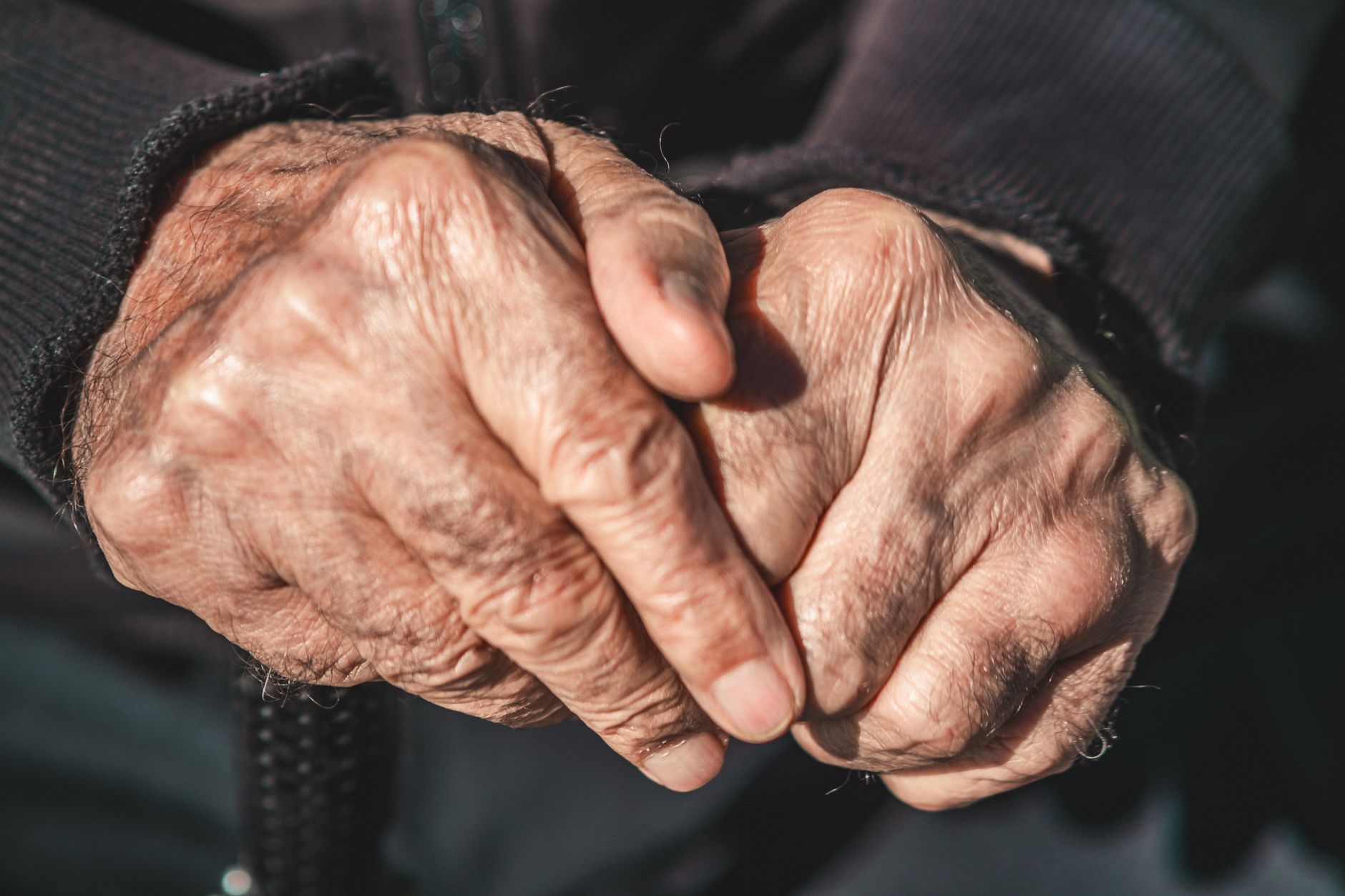
Oily or flaky skin in Parkinson’s disease patients happens because the disease damages the autonomic nervous system—the part of your body that controls automatic functions like sweat glands and oil production. When Parkinson’s progresses, it creates a perfect storm: dopamine deficiency triggers excessive sebum production, alpha-synuclein accumulation in skin cells disrupts normal regulation, and reduced facial movement prevents natural skin shedding. The result is either shiny, oily skin or irritated, flaky patches—or both at different times.
Seborrheic dermatitis, the most common skin condition in Parkinson’s disease, affects between 18.6% and 59% of PD patients compared to just 3% of the general population. One clinical study found seborrheic dermatitis in 46.7% of people with Parkinson’s. For many patients, this skin irritation becomes one of the more frustrating non-motor symptoms, often appearing on the face, scalp, upper chest, and behind the ears. Unlike motor symptoms, skin problems frequently get overlooked by both patients and doctors, yet they significantly impact quality of life through itching, visible scaling, and embarrassment.
Table of Contents
- How Parkinson’s Disease Alters Skin Oil Control
- Dopamine Deficiency and Hormonal Imbalance
- How Reduced Facial Movement Impairs Skin Shedding
- Malassezia Yeast Overgrowth and Inflammation
- The Broader Landscape of Parkinson’s Skin Manifestations
- Recent Research on Skin Sensitivity and Itch
- Alpha-Synuclein, Skin Biomarkers, and Clinical Implications
How Parkinson’s Disease Alters Skin Oil Control
The autonomic nervous system normally keeps oil production in balance by controlling sebaceous glands through precise chemical signals. In Parkinson’s disease, this system breaks down. Alpha-synuclein, the protein central to Parkinson’s pathology, accumulates abnormally in both the central and peripheral autonomic nervous systems. Skin biopsy studies show that Parkinson’s disease patients have substantially elevated alpha-synuclein levels in their skin tissue compared to healthy individuals—a hallmark of the disease’s spread beyond the brain.
This peripheral autonomic dysfunction forces sebaceous glands into overdrive. Instead of producing oil at a normal, regulated rate, the glands become hyperactive, flooding the skin surface with excess sebum. The glands themselves may also enlarge in response to prolonged overstimulation. This explains why many Parkinson’s patients describe their skin as abnormally slick or shiny, particularly on the forehead, nose, and upper face—the areas with the highest concentration of sebaceous glands. For some patients, the oiliness is so pronounced that they need to wash their face multiple times per day or constantly blot with tissues.
Dopamine Deficiency and Hormonal Imbalance
The dopamine shortage that defines Parkinson’s disease creates a cascading hormonal problem in the skin. Under normal conditions, dopamine inhibits the release of melanocyte-stimulating hormone, or MSH—a molecule that signals sebaceous glands to produce oil. When dopamine levels plummet in Parkinson’s, this inhibition fails, and MSH levels surge. The result is a direct signal to sebaceous glands: produce more sebum.
This hormonal pathway operates independently of the autonomic nervous system dysfunction, meaning that sebum overproduction happens through multiple, compounding mechanisms simultaneously. This multi-mechanism involvement makes seborrheic dermatitis in Parkinson’s particularly resistant to simple solutions. Unlike seborrheic dermatitis triggered by a yeast infection alone or by stress in otherwise healthy people, Parkinson’s-related seborrheic dermatitis involves disrupted hormone signaling that cannot be fixed by treating the yeast or managing stress. Even patients who use antifungal treatments or medicated shampoos often find that the oiliness returns quickly because the underlying dopamine deficiency remains unchanged. Some patients report temporary improvement when their dopamine-replacement medication doses are optimized, suggesting a direct link between dopamine levels and skin sebum production.
How Reduced Facial Movement Impairs Skin Shedding
Parkinson’s disease causes marked facial expression reduction—the symptom often called “masked face.” This motor symptom has a direct impact on skin health. The face constantly sheds dead skin cells; normally, facial movements and expression naturally help spread these shed cells across the skin surface and clear them away. In Parkinson’s disease, reduced facial muscle movement means less natural mechanical action to shed dead skin cells. Dead cells accumulate on the skin surface rather than being sloughed off, trapping sebum underneath.
This creates the flaky, scaly appearance that many Parkinson’s patients experience. The scalp and upper back are particularly vulnerable to this problem because sebaceous gland density is extremely high in these areas, and movement is more limited. A Parkinson’s patient might notice flaking on their scalp that resembles dandruff but does not respond well to antidandruff shampoo because the root cause is not excessive yeast but rather accumulation of sebum and dead skin cells. The combination of excess oil production and impaired shedding creates ideal conditions for dead skin buildup—sometimes visible as white or yellowish scales on the hairline, eyebrows, or behind the ears.
Malassezia Yeast Overgrowth and Inflammation
Seborrheic dermatitis in Parkinson’s disease often involves overgrowth of Malassezia, a lipophilic (oil-loving) fungus that normally exists harmlessly on human skin in small numbers. When sebum production is excessive, Malassezia finds an abundant food source and multiplies rapidly. The immune system then mounts an inflammatory response to the fungal overgrowth, which manifests as redness, itching, and flaking—the visible symptoms of seborrheic dermatitis. This inflammatory cascade can make the skin barrier weaker, leading to secondary problems like increased irritation from soaps, shampoos, or other skin products.
📨 Get Free Parkinson's Guides Alerts
Free · No spam · Unsubscribe anytime
The inflammation triggered by Malassezia overgrowth may also be amplified by Parkinson’s disease itself. Recent research increasingly recognizes that Parkinson’s involves a neuroinflammatory component—the brain and body experience chronic, low-level inflammation. This systemic inflammation can worsen local skin inflammation. A patient treating their seborrheic dermatitis with an antifungal cream or medicated shampoo might see improvement in the fungal burden but still experience itching and irritation because the underlying inflammatory state persists. This is an important limitation to understand: antifungal treatment addresses one mechanism but not the complete picture of why Parkinson’s patients develop seborrheic dermatitis.
The Broader Landscape of Parkinson’s Skin Manifestations
Seborrheic dermatitis is not the only skin problem that appears more frequently in Parkinson’s disease patients. Clinical surveys reveal that 64% of Parkinson’s patients experience dry skin, 48% have dry or itchy scalp, 28% develop fungal infections on the feet, 11% experience eczema, and 6% have psoriasis. These diverse skin problems all stem from autonomic nervous system dysfunction in different ways. Dry skin results from underactive sweat and sebaceous glands in some areas, while oily skin results from overactive glands elsewhere—the autonomic system is dysregulated in a spatially inconsistent manner.
This variability means that a single Parkinson’s patient might simultaneously experience oily scalp, dry cheeks, and itchy feet, each driven by different aspects of autonomic dysregulation. Understanding this broader context matters because it shapes treatment strategy. A patient who treats only the oily scalp with an antifungal shampoo might worsen dry skin on their cheeks by over-washing. Recognition of the underlying autonomic dysfunction, rather than treating each symptom in isolation, leads to better overall skin management. Dermatologists and neurologists increasingly recognize that skin manifestations in Parkinson’s disease are non-motor symptoms worthy of targeted attention, though clinical research remains limited compared to motor symptoms.
Recent Research on Skin Sensitivity and Itch
A 2025 study examining itch in Parkinson’s disease patients found significantly increased pain and itch sensitivity in PD populations compared to control groups. The study documented larger areas of itch hypersensitivity on the skin in Parkinson’s patients, suggesting that the sensory nervous system—another component of the autonomic system—is also affected by the disease. This research supports the clinical observation that Parkinson’s patients often report not just visible skin problems but increased subjective discomfort: itching that feels severe relative to the visible redness or scaling. Some patients describe their itch as maddening, interfering with sleep and concentration even when skin lesions appear mild.
This sensory component of Parkinson’s skin disease has important implications for treatment. Topical antifungal or anti-inflammatory treatments may reduce visible seborrheic dermatitis, yet patients may continue to experience significant itch because the underlying sensory amplification persists. This disconnect between objective skin findings and subjective symptoms is sometimes frustrating for both patients and doctors. Recognizing that increased itch sensitivity is part of Parkinson’s neurological pathology, not merely a marker of skin severity, helps set realistic expectations for symptom management.
Alpha-Synuclein, Skin Biomarkers, and Clinical Implications
The accumulation of alpha-synuclein in Parkinson’s patients’ skin has become a focus of recent research interest because it raises the possibility that skin biopsies could serve as a diagnostic or prognostic tool. The disease process that damages dopamine neurons in the brain also leaves its signature in skin tissue, visible to pathologists under the microscope. This finding underscores that Parkinson’s is not merely a brain disease—it is a systemic disease that alters the function and structure of peripheral tissues, including skin.
For patients experiencing oily or flaky skin, understanding this systemic nature of the disease is important because it explains why localized skin treatments alone are often insufficient. The skin problems reflect the presence of Parkinson’s pathology throughout the nervous system, not just a local dermatological process. While managing the visible and symptomatic aspects of seborrheic dermatitis through cleansing routines, topical treatments, and possibly medicated shampoos remains reasonable and can provide comfort, these approaches address symptoms rather than the underlying disease mechanism. Optimizing dopamine-replacement therapy, managing autonomic symptoms comprehensively, and treating any concurrent yeast overgrowth offer the best currently available approach to minimizing skin problems in Parkinson’s disease.
You Might Also Like
- Can Parkinson’s Disease Cause Headaches?
- Why Parkinson’s Can Cause Dry Mouth
- Can Parkinson’s Disease Affect the Sense of Taste?