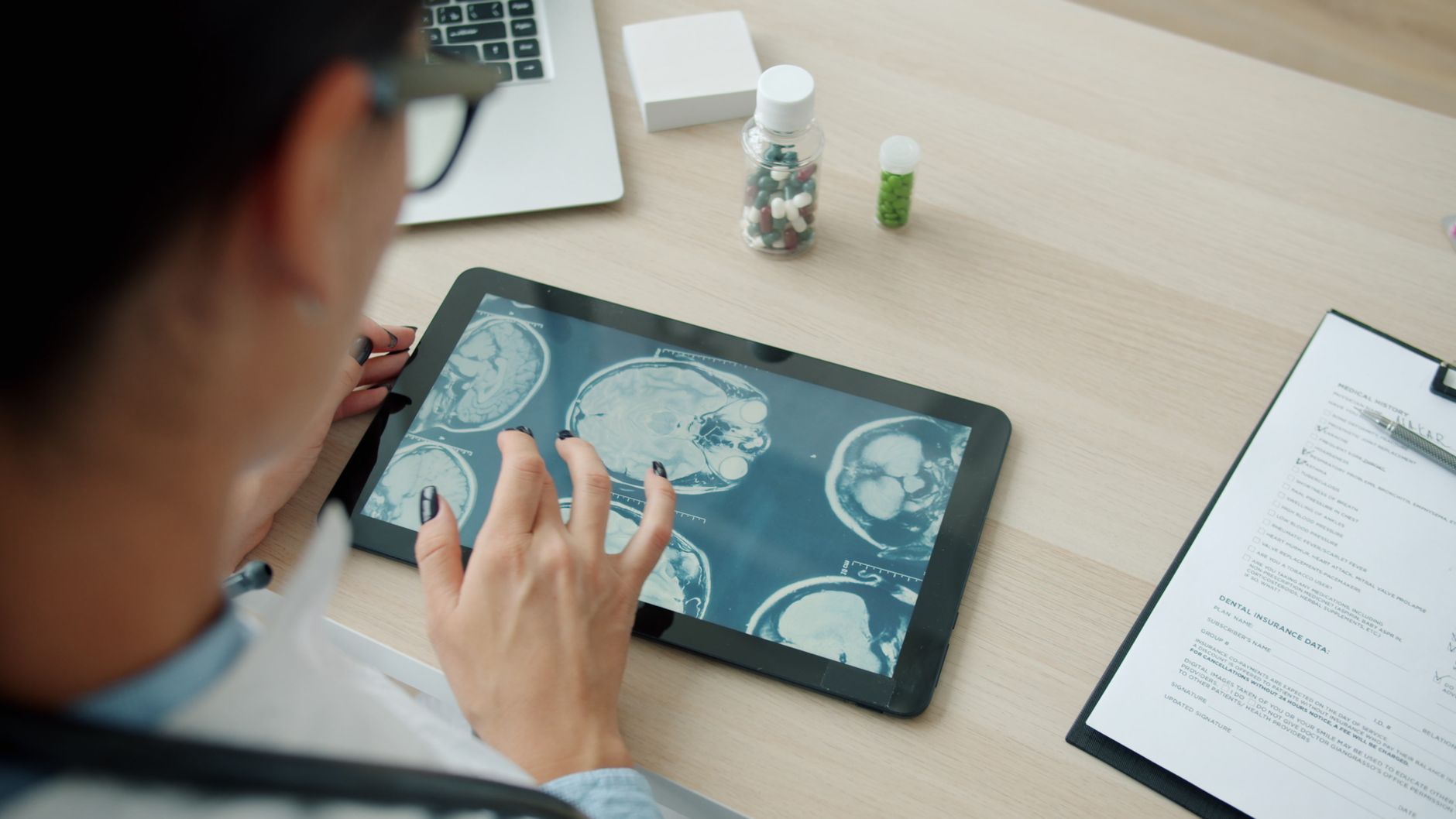
Neurologists want two things above all: a daily log of when medication is working and when it has worn off, and an accurate list of every drug and supplement being taken. Everything else — falls, sleep, mood, swallowing, hallucinations — is more useful when it is time-stamped against the last dose. That is because almost every adjustment a movement-disorder specialist makes between visits is a timing decision. A fifteen-minute office exam cannot show the pattern of a day, so the caregiver's record becomes the evidence base for the next dose change.
Medical information disclaimer: This article is for general educational purposes only and does not provide medical advice, diagnosis, or treatment. Always consult a physician or other qualified health professional about symptoms, medications, tests, or treatment decisions.
Table of Contents
- The "on" and "off" diary is the single most valuable record
- What to write down in the week before an appointment
- Falls, freezing, and why the clock matters more than the detail
- Film it when describing it is hard
- Medications, and the sudden changes that should not wait
- Getting the record into the room
- Frequently Asked Questions
The "on" and "off" diary is the single most valuable record
"Off" time means the hours when a dose of levodopa or another dopamine-replacement drug has stopped controlling symptoms — stiffness, slowness and tremor return. "On" time is when the drug is working. The Parkinson's Foundation advises people whose symptoms fluctuate to keep a symptom diary logging the daily pattern of on and off times, because the neurologist can then adjust the drug or the dose to cut off time. A workable diary is not elaborate.
Note the clock time of each dose, then note when symptoms visibly improve and when they return. Two weeks of that pattern tells a specialist more than any description of a typical day. The Foundation's care-partner guidance says a detailed diary can reveal that medication wears off sooner than the doctor realizes, that meals affect how well it works, or that a sleep study is warranted. Those three findings each lead to a different intervention, and none of them is visible in a clinic chair.
What to write down in the week before an appointment
The Foundation's pre-appointment worksheet asks care partners to note, starting about a week before the visit, every symptom affecting daily activities — plus when it occurs and what makes it better or worse, including stress, medication, meal timing and sleep. That last column is the part most caregivers skip, and it is where the clinical value sits. "Trouble getting out of a chair" is an observation.
"Trouble getting out of a chair, every afternoon, about three hours after the 11 a.m. dose, better within 30 minutes of the next one" is a dose-interval problem with an obvious fix. A practical list for the week before:.
- Dose times, exactly as given, including late or missed doses
- Meal times, since protein-rich meals can blunt levodopa absorption
- Hours slept, plus night-time waking and acting out dreams
- Each fall and each near-fall, with the time
- Changes in mood, motivation, memory and behavior
Falls, freezing, and why the clock matters more than the detail
Roughly 60% of people with Parkinson's fall each year, and freezing of gait — feet feeling glued to the floor — is triggered by doorways, turns, stress, or medication wearing off. The Parkinson's Foundation fall-prevention guidance is the basis for the most useful habit here: record each fall and near-fall against the time of the last dose, which shows the neurologist whether wearing off is driving the falls. That distinction changes the treatment. Falls clustered in the last hour before a dose point toward a medication schedule problem.
Falls scattered through the day at random point toward balance, blood pressure, vision or home hazards, and toward physical therapy rather than a prescription change. Frequency over time is the output clinicians use. The standardized seizure diary published by the US National Institute of Neurological Disorders and Stroke — a reasonable model for any episodic neurological event — instructs caregivers to log each event daily and to mark event-free days, and to bring the diary to every appointment. Marking the good days is not busywork; without them, there is no denominator and no way to tell improvement from a quiet week.
Film it when describing it is hard
Some events are nearly impossible to describe accurately: dyskinesia (involuntary writhing movements that come from the medication rather than the disease), a freezing episode in a doorway, a tremor that only appears during a specific task. Epilepsy Foundation Australia's diary guidance, written for a different condition but the same problem, recommends recording frequency, duration, triggers and recovery behaviour and adds that filming an event on a phone is helpful, because an eyewitness recording answers questions the office exam cannot. Thirty seconds of phone video showing an afternoon "off" period, with the dose time said aloud at the start, often settles a question that ten minutes of discussion will not.
📨 Get Free Parkinson's Guides Alerts
Free · No spam · Unsubscribe anytime
Ask the person being filmed for permission, and keep the clips with the diary rather than scattered in a camera roll. Videos are also the honest answer to clinic-visit timing. Many appointments happen mid-morning, when the first dose of the day is working well, so the neurologist sees the best hour of the day and never the worst.
Medications, and the sudden changes that should not wait
The medication list is a separate task from the diary, and it is where errors hide. The US National Institute on Aging tells caregivers to bring a list of the names, dosage and schedule of all medicines, including vitamins, herbal remedies, over-the-counter drugs and supplements, plus anything prescribed by other doctors, those doctors' contact details, and a written list of questions. Not everything belongs in the diary. NIA guidance directs clinicians to monitor changes in daily routine, mood, behavior and sleep — the slow drifts worth saving for the visit.
But its hospital guidance says a sudden worsening should be reported immediately, because fever, infection, medication side effects and dehydration can cause delirium. Abrupt confusion over hours or a day or two is a same-day phone call, not a diary entry. A counting discipline helps with the slow items too. For headache, the American Migraine Foundation advises a daily diary of the exact number of headache days per month plus the symptoms and behaviors preceding attacks, because the diagnosis turns on the day count rather than on how bad it felt — and patients tend to undercount. The same bias applies to off hours, falls and bad nights: memory compresses them, and a tally does not.
Getting the record into the room
Tracking fails at the handover more often than at the writing. One study of dementia caregivers found disruptive behaviors reported by 80% of caregivers on independent assessment but discussed in only 23% of medical visits — the observations existed and never reached the clinician. So treat the handover as its own step.
Bring two copies, lead with the top three items rather than the chronology, and hand the diary across instead of waiting to be asked. Some movement-disorder specialists go further and insist a care partner be in the room at every visit, according to the Parkinson's Foundation's appointment guidance. If the visit runs short, say the three things that would change a prescription: the hours when off time lands, the number of falls and when they happened, and anything new in sleep, mood or thinking. Send the rest through the clinic's patient portal the same day, so it is in the chart before the next refill is written.
Frequently Asked Questions
How long before an appointment should tracking start?
The Parkinson's Foundation's pre-appointment worksheet suggests starting about a week out, noting each symptom that affects daily activities along with its timing and what makes it better or worse.
Is a paper notebook good enough, or is an app needed?
Either works. What matters is that doses, symptoms and events carry clock times, that symptom-free days are marked, and that the record can be physically handed to the neurologist.
What should prompt a call instead of a diary entry?
Sudden worsening, especially new confusion. The National Institute on Aging notes that fever, infection, medication side effects and dehydration can cause delirium and should be reported immediately.
You Might Also Like
- How Caregivers Can Track Tremor Changes Between Neurology Visits
- How Parkinson’s Caregivers Can Avoid Burnout During OFF Periods
- Dementia Caregivers Need Grief Support Too—Parkinson’s Families Face It As Well?