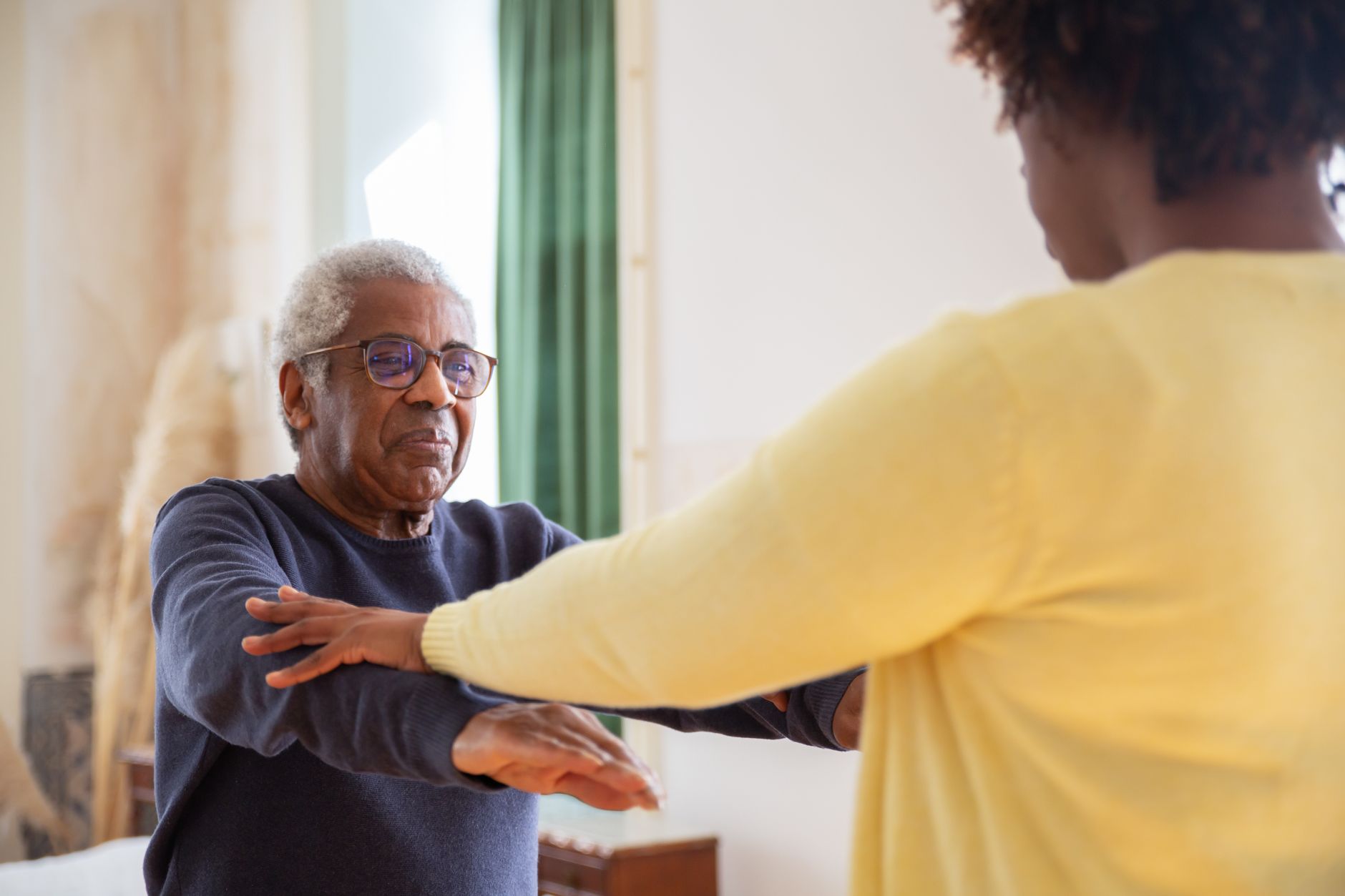
Physical therapy for Parkinson's means specialist-guided strength, stretching, posture, gait and balance training for movement problems. Strong trial evidence shows structured exercise often improves motor signs, mobility, balance and quality of life, but low-dose routine care often fails. NICE guidance directs referral to a physiotherapist for strengthening, stretching and posture work when movement or balance problems appear. Early referral is possible, and practical success depends on starting early with enough dose and structure.
Medical information disclaimer: This article is for general educational purposes only and does not provide medical advice, diagnosis, or treatment. Always consult a physician or other qualified health professional about symptoms, medications, tests, or treatment decisions.
Table of Contents
- What does a Parkinson's therapy plan include?
- What does strong evidence show?
- Why does low-dose routine therapy fall short?
- What next steps make therapy work harder?
What does a Parkinson's therapy plan include?
A plan usually starts with a baseline evaluation of gait, balance, strength, posture and daily tasks. The Parkinson's Foundation describes this start as useful at all stages of disease.
Treatment then targets specific problems. Gait and balance drills improve stepping and steadiness, resistance work builds leg strength, and stretching supports posture and flexibility.
What does strong evidence show?
In a Cochrane network meta-analysis of 156 trials with about 8,000 patients, most exercise types helped motor signs, mobility and balance Cochrane exercise analysis. The same analysis found better quality of life and some reduction in freezing of gait.
📨 Get Free Parkinson's Guides Alerts
Free · No spam · Unsubscribe anytime
Freezing of gait means brief episodes when the feet feel stuck to the floor. Parkinson's Foundation Outcomes Project data link at least 2.5 hours of weekly activity with slower decline in symptoms and quality of life. Benefit grows when exercise starts earlier.
Why does low-dose routine therapy fall short?
In the 762-patient UK PD REHAB randomized trial, low-dose routine physiotherapy plus occupational therapy was tested in mild-to-moderate disease. It produced no clinically meaningful short- or medium-term gain in daily activities or quality of life, as reported by the University of Birmingham University of Birmingham trial report.
In a 231-patient Neurology trial, a physical therapist prescribed mostly home-based balance and leg-strengthening. Falls fell about 70% in less-severe Parkinson's but not in more-severe disease, according to the American Academy of Neurology via ScienceDaily Academy fall-prevention summary.
What next steps make therapy work harder?
Joint recommendations from the Parkinson's Foundation and the American College of Sports Medicine call for weekly moderate-to-vigorous exercise across four domains, reported via Newswise joint exercise recommendations. The weekly target is 150 minutes. Build the week around these domains with therapist guidance: Bring your fall history, freezing episodes and daily-task problems to the baseline visit so dose and difficulty can start at the right level.
- aerobic activity for stamina and motor signs
- strength work, especially for legs
- balance, agility and multitasking practice
- stretching for posture and flexibility
You Might Also Like
- Exercise and Movement for Parkinson’s Disease Explained for 2026: Who It Affects, Key Evidence, and What to Do Next
- How to Verify Exercise and Movement for Parkinson’s Disease Claims in 2026: NIH, FDA, and trial records, Evidence, and Red Flags
- Exercise and Movement for Parkinson’s Disease October 2026 Update: What Changed, Why It Matters, and What to Watch Next