Parkinson's disease is a progressive brain disorder that impairs movement and balance, and the October 2026 update sets exercise at 150 minutes weekly. That change matters because sustained activity links to slower motor and cognitive decline, and SPARX3 will test how intensity affects early disease. The new prescription combines aerobic, strength, balance and stretching work across the week. Below is what to do, what recent studies found, and how to start during medication "on" periods.
Medical information disclaimer: This article is for general educational purposes only and does not provide medical advice, diagnosis, or treatment. Always consult a physician or other qualified health professional about symptoms, medications, tests, or treatment decisions.
Table of Contents
- What changed in the 2026 prescription
- Why steady activity links to slower decline
- What improved and what did not
- How to meet the target safely
What changed in the 2026 prescription
The Parkinson's Foundation and American College of Sports Medicine updated guidance in 2026 to prescribe 150 minutes weekly of moderate-to-vigorous activity combining aerobic, strength, balance/agility, and stretching work, according to American Physical Therapy Association guidance. That replaces vague stay-active advice with a clear weekly dose.
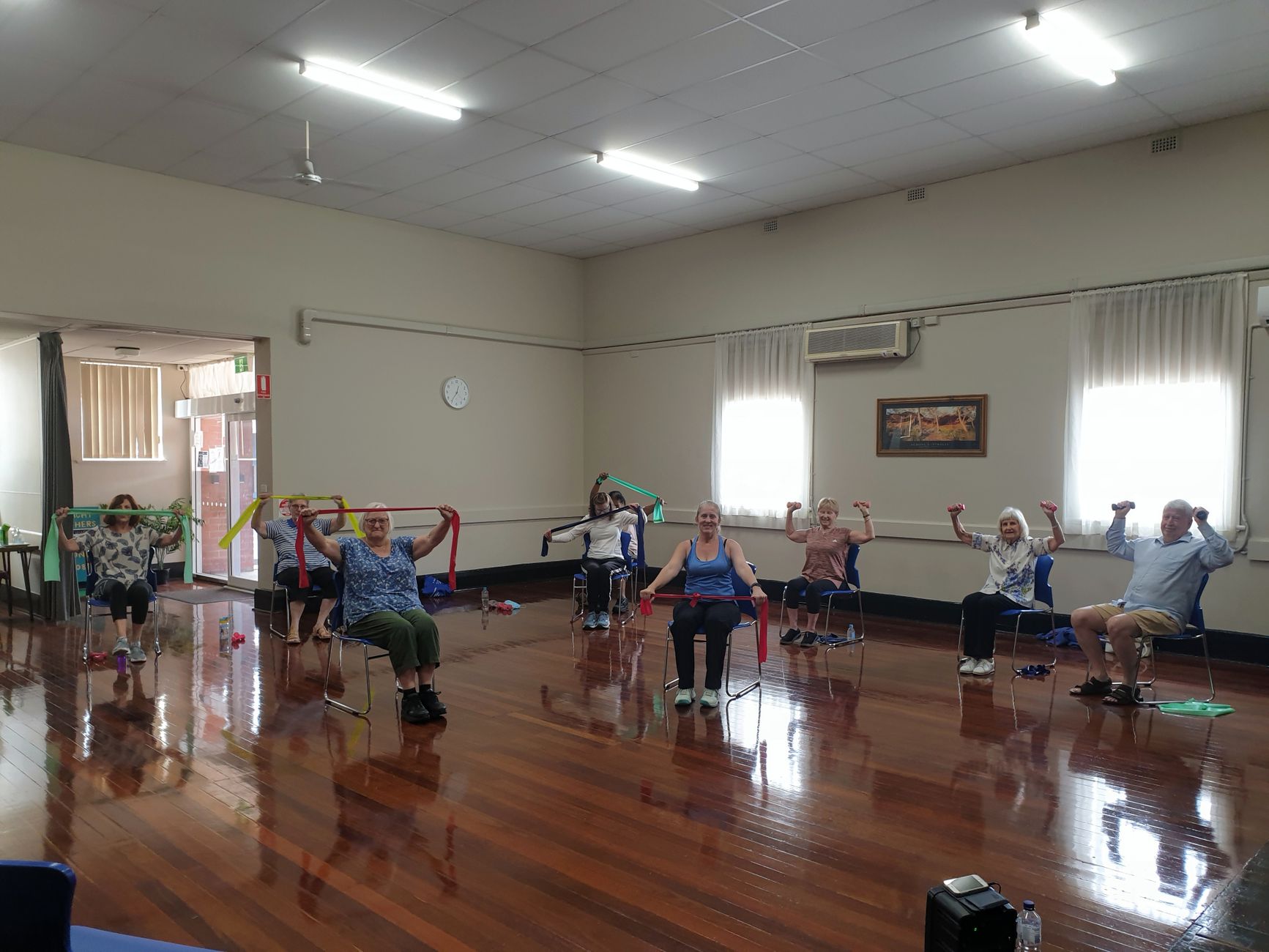
The revised guidance specifies aerobic exercise at least 30 minutes three days per week plus strength training two to three days and balance/multitasking work. Parkinson's News Today reported in February 2026 that community programs are recommended to sustain motivation and adherence.
Why steady activity links to slower decline
In the 12-month CYCLE-II trial, home-based high-intensity stationary cycling slowed motor-symptom progression versus usual care in 256 people with mild-to-moderate disease. The finding was reported at the Honolulu Movement Disorders congress by Healio and University of Pennsylvania authors.
People averaging over eight hours of weekly activity had almost no annual cognitive-score decline, 0.007 points versus 0.478 points in the lowest-activity group, plus slower motor worsening in a 294-person study followed up to seven years, reported by the American Academy of Neurology via BrightSurf summary. Average age was 66.
📨 Get Free Parkinson's Guides Alerts
Free · No spam · Unsubscribe anytime
What improved and what did not
A 16-week University of Virginia study had 24 mild-to-moderate patients do 30 minutes of aerobic exercise five days weekly. Medscape reported from the AAN 2026 meeting that depression and daytime sleepiness improved significantly, but overall mobility, balance, fatigue, and cognition did not.
The long-term link does not prove causation, and the small aerobic trial was short. Neither establishes an individual exercise dose or guarantees slower decline, note the American Academy of Neurology and Medscape reports.
How to meet the target safely
The Parkinson's Foundation advises a Parkinson's-specialist physical-therapy evaluation and exercise during medication "on" periods. Start low, build toward weekly targets, and choose enjoyable activities you will repeat.
To watch next is SPARX3, an active Phase 3 trial listed by Northwestern University in the ClinicalTrials registry listing randomizing 370 early, untreated patients ages 40 to 80 to moderate 60 to 65 percent versus high-intensity 80 to 85 percent treadmill walking four times weekly, with motor scores at 12 months as primary outcome. Book the therapy visit now and lock in one repeatable aerobic slot during your next "on" window.
- Get a Parkinson's-specialist therapy evaluation before raising intensity.
- Exercise during "on" periods and start low, then build toward targets.
- Pick aerobic, strength, and balance activities you enjoy and join a community program.
You Might Also Like
- Dopamine and Exercise: How Movement Affects Parkinson’s Medication Response
- Deep Brain Stimulation and Exercise: Does Movement Therapy Still Help After Surgery?
- Caregiver Support for Parkinson’s Disease FAQ for October 2026: Source-Checked Answers to Common Questions