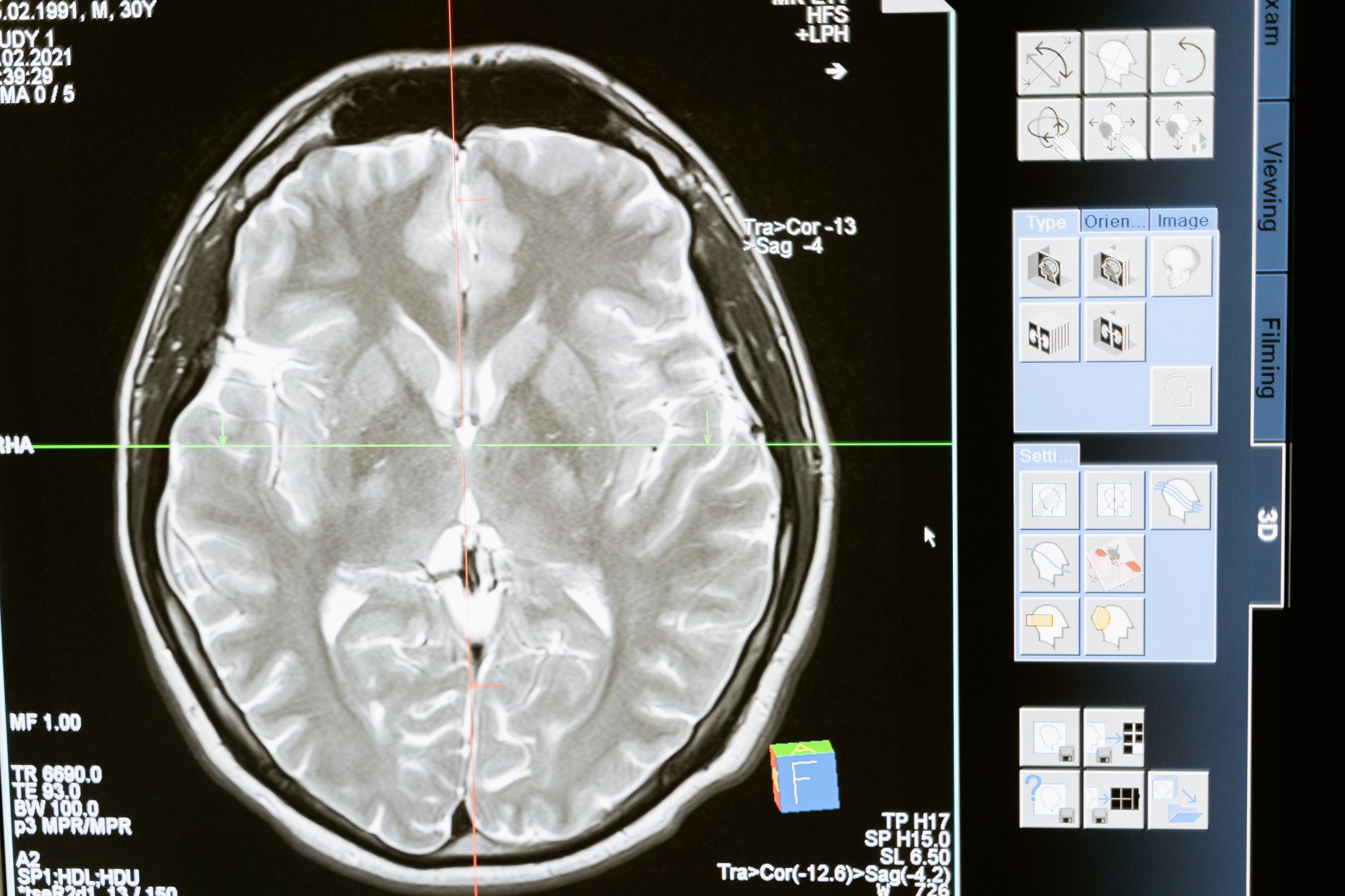
Yes, movement therapy still helps after deep brain stimulation (DBS), an implanted system that steadies Parkinson's movement. Experts still prescribe physical therapy after surgery because strength, walking and balance still need training.
DBS uses a surgically implanted, battery-powered pulse generator to stimulate movement-control brain areas, according to the NINDS page on DBS for movement disorders. It can improve tremor, rigidity, slowness and medication-induced dyskinesia. Those gains make daily movement easier to practice.
Medical information disclaimer: This article is for general educational purposes only and does not provide medical advice, diagnosis, or treatment. Always consult a physician or other qualified health professional about symptoms, medications, tests, or treatment decisions.
Table of Contents
- Why movement still matters after DBS
- Can exercise ease mood, sleep and fatigue after DBS?
- What do experts recommend now?
- How to return to activity safely
Why movement still matters after DBS
Stimulation can make steps longer and turning easier during good periods. It does not do the stepping for you. Muscles weaken during recovery, and balance reactions fade without use.
Families often see clearer movement yet continued trouble with posture, standing up or walking in crowds. Practice rebuilds confidence and safety in those tasks. Teams treat DBS and rehab as partners, not substitutes.
Can exercise ease mood, sleep and fatigue after DBS?
In a small study, aerobic exercise after DBS eased mood, sleep problems, fatigue and apathy, as Parkinson's News Today reported. The authors called for including post-DBS patients in future exercise trials.
📨 Get Free Parkinson's Guides Alerts
Free · No spam · Unsubscribe anytime
For daily life, that link matters. Better sleep and energy make morning walks and therapy visits easier to keep. A steadier mood also helps people stick with home practice.
What do experts recommend now?
A 2025 Delphi panel in the Journal of NeuroEngineering and Rehabilitation consensus backed physical therapy after STN-DBS at any time, while noting randomized-trial proof is still lacking. Ask for a therapist on your DBS team.
That means advice rests on expert agreement and small studies, not large trials. Track what changes for you, such as walking speed, freezing, fatigue or sleep. Share notes with your neurologist, therapist and care partner.
How to return to activity safely
Start only after your surgical team clears you. A Delphi review preprint on post-DBS exercise describes supervised exercise as not harmful after DBS, with return within weeks toward about 150 minutes weekly of aerobic, strength, balance and flexibility activity. Use a simple plan for the first month.
Keep early sessions supervised, then build independence as stamina returns. Bring your DBS card, medication list and fall history to the first therapy visit. Tell the therapist about dizziness, wound pain or new falls right away.
- Get clearance and an updated stimulation and medication plan.
- Schedule supervised gait, balance, strength and flexibility training.
- Add regular aerobic walks toward a weekly total you tolerate.
- Pause and call the team for fever, wound redness or pain, fainting or repeated falls.
You Might Also Like
- How Does Deep Brain Stimulation Affect Daily Living Tasks at Home?
- Dopamine and Exercise: How Movement Affects Parkinson’s Medication Response
- Does More Daily Walking Slow Parkinson’s Progression?