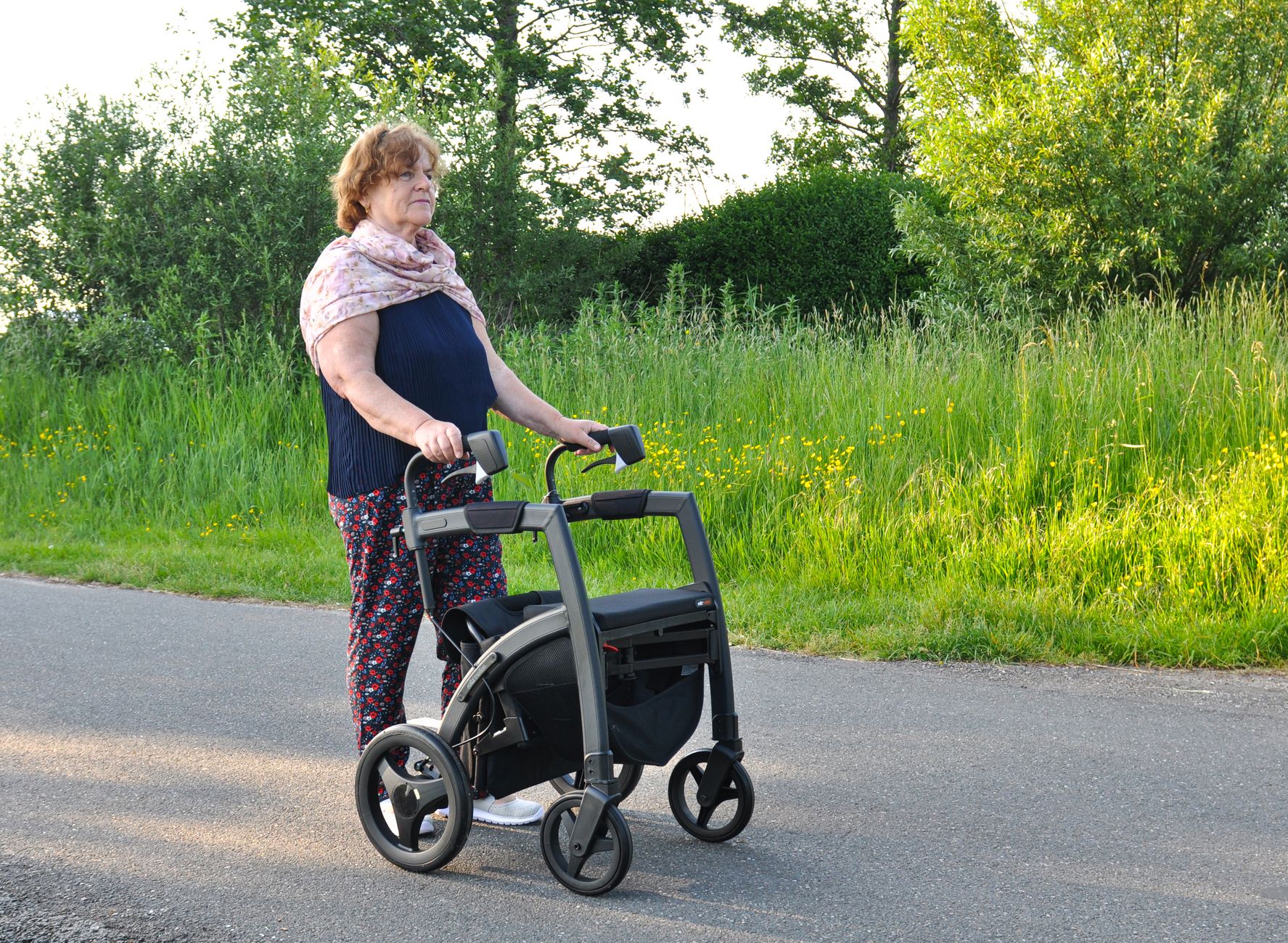
Parkinson’s disease causes the progressive death of dopamine-producing cells in the brain, specifically in a region called the substantia nigra. This loss of dopamine—a critical neurotransmitter that coordinates movement, motivation, and emotional processing—is the primary reason Parkinson’s patients develop the disease’s hallmark symptoms of tremor, rigidity, and slowness of movement. For a person with early-stage Parkinson’s, dopamine levels may drop to 30 to 40 percent of normal; as the disease advances, this deficit can exceed 80 percent, fundamentally altering how the brain sends movement signals throughout the body.
The cascade of neurological changes begins silently. Most people don’t notice symptoms until the loss of dopamine-producing neurons reaches a critical threshold—usually after roughly 50 to 60 percent of these cells have already died. This lag between cellular death and noticeable symptoms is why Parkinson’s is often diagnosed years after the underlying degeneration has started, a reality that makes understanding dopamine’s role essential for patients and caregivers who want to recognize early warning signs.
Table of Contents
- What Is Dopamine and Why Does the Parkinson’s Brain Lose It?
- How Dopamine Depletion Leads to Parkinson’s Symptoms
- Dopamine Loss and the Full Range of Parkinson’s Movement Problems
- Why Dopamine Medications Work Differently as the Disease Progresses
- Non-Motor Symptoms and Hidden Dopamine Deficiency
- Genetic and Environmental Clues to Dopamine Neuron Vulnerability
- The Irreversibility of Dopamine Neuron Loss and What It Means for Treatment Strategy
What Is Dopamine and Why Does the Parkinson’s Brain Lose It?
Dopamine is a neurotransmitter that acts as a chemical messenger between nerve cells. In a healthy brain, dopamine produced in the substantia nigra travels to other brain regions to coordinate smooth, intentional movement. It also plays a role in motivation, mood regulation, and the ability to initiate action—which is why dopamine deficiency affects far more than just motor control. A person with adequate dopamine can start walking across a room effortlessly; someone with Parkinson’s-related dopamine loss may need to consciously think through each step, and the action itself feels labored.
In Parkinson’s disease, the cells that produce dopamine (called dopaminergic neurons) gradually deteriorate and die. Researchers have identified clues pointing to multiple causes: some neurons accumulate a protein called alpha-synuclein, others are damaged by oxidative stress, and still others fall victim to inflammation or genetic factors. The exact trigger remains unclear, which is why Parkinson’s is still considered idiopathic—arising from no single, well-understood cause. Unlike a stroke, where dopamine loss is sudden and localized, Parkinson’s involves a slow, region-specific erosion that leaves some dopamine-producing capacity intact even in advanced stages.
How Dopamine Depletion Leads to Parkinson’s Symptoms
When dopamine levels drop, the brain struggles to send the smooth, coordinated signals needed for movement. The substantia nigra normally maintains a delicate balance of chemical activity, and dopamine is central to that stability. Without sufficient dopamine, neural circuits that coordinate the timing and force of muscle contractions become imbalanced. The result is the characteristic tremor at rest, muscular rigidity (stiffness), and bradykinesia (slowness of movement) that define Parkinson’s.
A critical limitation of current treatment is that while medications can increase dopamine availability in the brain, they cannot halt the underlying death of dopamine-producing neurons. This means that as more neurons die over time, even optimal medication becomes less effective. A 55-year-old diagnosed with Parkinson’s might respond well to levodopa for 5 to 7 years, then notice that the medication’s effect wears off more quickly each day, or that side effects become more pronounced. This phenomenon, called “motor fluctuations,” reveals the hard truth: dopamine replacement therapy treats the symptom but not the disease’s progressive nature.
Dopamine Loss and the Full Range of Parkinson’s Movement Problems
Tremor, the visible shaking that many people associate with Parkinson’s, occurs because the loss of dopamine disrupts the brain’s ability to dampen unnecessary nerve impulses. However, not all Parkinson’s patients develop noticeable tremor—some experience rigidity and slowness as their primary symptoms. A patient might notice they can no longer button a shirt quickly, or that their handwriting has become very small, changes driven by the brain’s reduced dopamine-mediated control over fine motor tasks.
Postural instability, a dangerous symptom that develops as dopamine deficiency worsens, arises because the brain’s sense of balance and righting reflexes depend on healthy dopamine signaling in multiple brain regions. Freezing of gait—an abrupt, involuntary halt while walking—also stems from dopamine loss affecting the areas of the brain responsible for automatic movement initiation. Someone with Parkinson’s might walk normally down a hallway, then freeze at a doorway, their feet feeling glued to the floor for seconds or minutes. This symptom does not respond reliably to dopamine medications, underscoring how the disease affects neural circuits beyond simple dopamine availability.
Why Dopamine Medications Work Differently as the Disease Progresses
Levodopa, the gold-standard medication for Parkinson’s, is converted to dopamine in the brain, temporarily replacing the dopamine lost to neuronal death. In early disease, when the brain still has intact dopamine-producing neurons, a dose of levodopa can be absorbed, stored, and released smoothly over several hours. The patient experiences steady symptom relief. However, as neuronal death accelerates and fewer dopamine-producing neurons remain, the brain loses its ability to store dopamine, making medication effects more unpredictable.
By the mid to late stages of Parkinson’s, the same levodopa dose might work brilliantly for an hour, then wear off suddenly, leaving the patient either “on” (symptom-free) or “off” (severely symptomatic) with little middle ground. This creates a treatment dilemma: increasing the dose can intensify side effects like dyskinesia (involuntary, writhing movements), while lowering the dose leaves the patient with inadequate symptom control. A 70-year-old who has had Parkinson’s for 15 years often requires far more complex medication timing than a newly diagnosed patient, yet paradoxically experiences less consistent benefit. The tradeoff between symptom control and medication side effects becomes sharper as dopamine depletion advances.
Non-Motor Symptoms and Hidden Dopamine Deficiency
While movement problems dominate the public image of Parkinson’s, dopamine deficiency affects motivation, mood, and emotional regulation in ways patients and families often overlook until they become severe. Apathy—a loss of motivation and initiative separate from depression—affects roughly one-third to one-half of Parkinson’s patients and arises directly from dopamine loss in brain regions linked to reward and motivation. A person might lack the drive to bathe, socialize, or pursue hobbies despite having the physical ability to do so. This is not laziness or depression; it is dopamine deficiency dampening the internal signal that makes activities feel worth doing.
Depression and anxiety also occur at higher rates in Parkinson’s than in the general population, partly because dopamine loss extends to brain circuits governing mood. A warning: depression and apathy in Parkinson’s sometimes fail to respond to standard antidepressants, because the underlying problem is dopamine deficiency, not serotonin shortage. Additionally, cognitive slowness—difficulty concentrating, retrieving words, or making decisions—reflects dopamine depletion in cortical regions involved in executive function. These non-motor symptoms are as disruptive to quality of life as tremor or rigidity, yet are frequently underrecognized and undertreated.
Genetic and Environmental Clues to Dopamine Neuron Vulnerability
Research into why certain people develop Parkinson’s has identified genetic mutations that affect dopamine system health. People carrying mutations in genes like LRRK2 or PINK1 have a higher risk of Parkinson’s, and these genes are involved in cellular functions that protect dopamine neurons.
Environmental exposures, particularly to certain pesticides and herbicides, have been linked to dopamine neuron damage in epidemiological studies. A farmer exposed to paraquat or rotenone over decades faces a higher risk of Parkinson’s than someone with no agricultural chemical exposure, though exposure alone is not deterministic—genetics, age, and other factors also play a role.
The Irreversibility of Dopamine Neuron Loss and What It Means for Treatment Strategy
Unlike a neuron damaged by temporary toxin exposure or inflammation, a dopamine neuron killed by Parkinson’s disease does not regenerate. This irreversibility fundamentally shapes treatment: current medications manage symptoms by increasing dopamine activity in the remaining neurons, but they do nothing to replace the dead cells. No medication yet developed can restore dopamine production by reactivating dead neurons or prompting the brain to grow new dopamine-producing cells at scale. Clinical trials of neuroprotective agents—drugs designed to slow neuronal death—have shown mixed results, and no neuroprotective drug is currently approved for routine use in Parkinson’s.
This means that treatment is inherently a race against progressive degeneration. A person diagnosed at age 60 with early-stage Parkinson’s is managing a condition where the underlying pathology continues even as medications provide symptom relief. The rate of dopamine neuron loss varies from person to person—some patients’ disease progresses slowly over 20 years, while others see faster decline. A patient whose dopamine neurons are dying at a rate of 5 percent per year will require increasingly complex medication management than someone whose decline is 2 percent per year, yet current diagnostic tools cannot accurately predict individual progression rates at the time of diagnosis.
- —