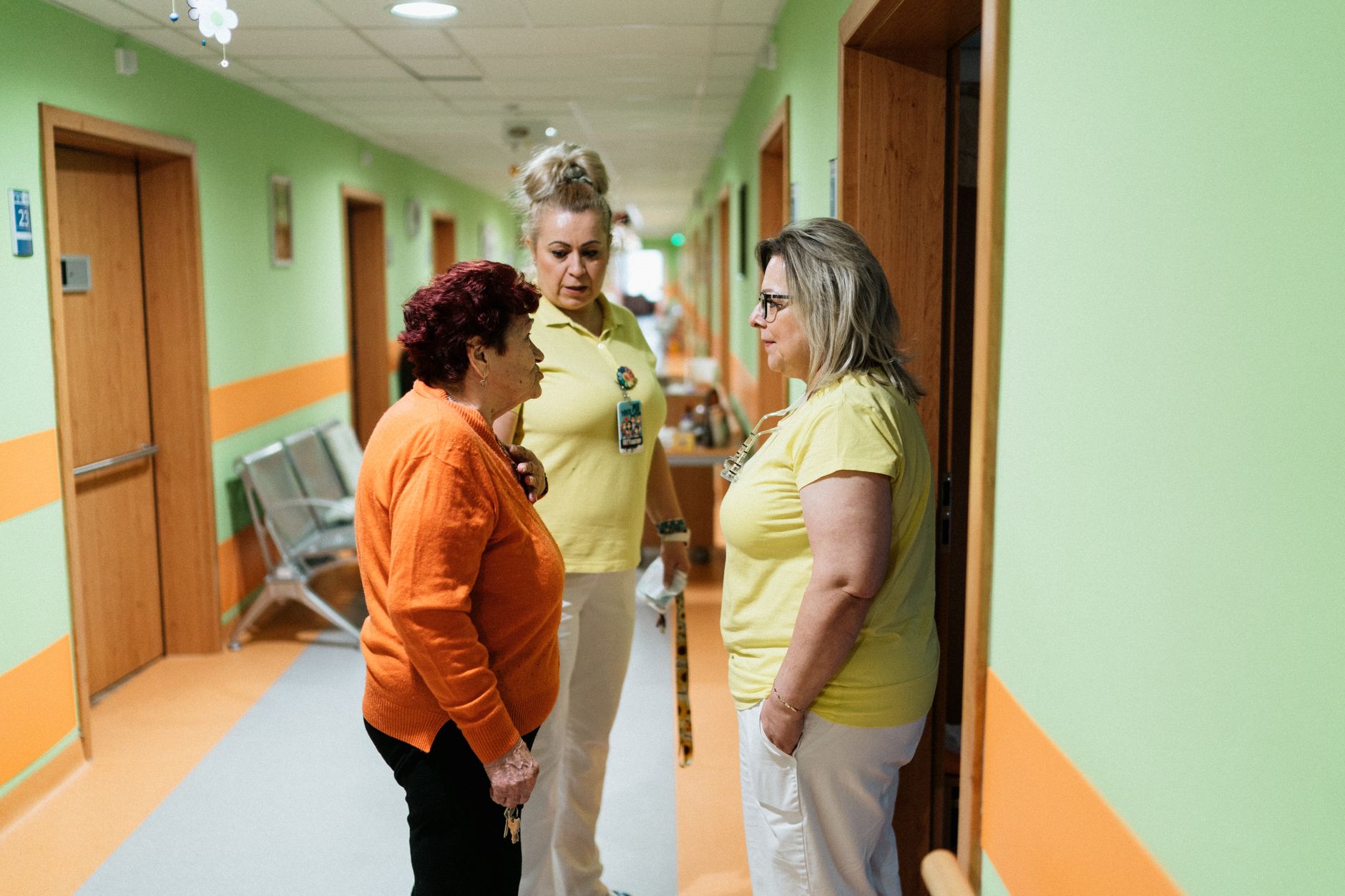
Yes, Parkinson’s disease can occur without any tremor at all. While the shaking hand is the symptom most people associate with Parkinson’s, roughly 20 to 30 percent of people diagnosed never develop a noticeable tremor. Doctors sometimes refer to this presentation as “akinetic-rigid” Parkinson’s or postural instability gait disorder (PIGD) Parkinson’s, and it is driven instead by stiffness, slowness of movement, balance trouble, and a long list of non-motor changes. The absence of tremor does not make the diagnosis any less real, nor does it mean the disease is milder.
Consider a 62-year-old retired teacher who notices her handwriting has shrunk, her right arm no longer swings when she walks, and her face has lost some expression. She has no tremor whatsoever, and for two years her symptoms are blamed on arthritis and depression. Only when a neurologist observes her rigidity and bradykinesia (slowness) does the Parkinson’s diagnosis emerge. Cases like hers are common, and they are precisely why tremor-free Parkinson’s is so frequently missed or delayed. This article walks through how Parkinson’s presents without tremor, why the tremor-free form is often diagnosed late, what symptoms take tremor’s place, and what the practical implications are for treatment and daily life.
Table of Contents
- Can You Have Parkinson’s Disease With No Tremor at All?
- Why Tremor-Free Parkinson’s Is Often Missed or Misdiagnosed
- What Symptoms Replace Tremor in Non-Tremor Parkinson’s
- How Treatment Differs When There Is No Tremor
- Risks and Limitations of a Tremor-Free Presentation
- Living Day to Day Without a Tremor
- When to Push for a Specialist Referral
- Frequently Asked Questions
Can You Have Parkinson’s Disease With No Tremor at All?
Yes, and it is more common than most people assume. Parkinson’s is defined by the loss of dopamine-producing neurons in the brain, and the core motor features are bradykinesia plus at least one of the following: rigidity, rest tremor, or postural instability. Tremor is only one item on that list. A person can meet full diagnostic criteria with slowness and stiffness alone, never once experiencing a shaking limb. Movement-disorder specialists classify these patients as having an akinetic-rigid or PIGD subtype, as opposed to the tremor-dominant subtype. The difference matters because the two subtypes can behave differently over time.
Tremor-dominant Parkinson’s tends to progress more slowly and is often associated with a better long-term outlook. The akinetic-rigid form, by comparison, is more frequently linked to faster progression of gait and balance problems and to earlier cognitive changes. For example, a tremor-dominant patient might go a decade with relatively stable function, while an akinetic-rigid patient may face walking and balance challenges sooner. This is a general pattern, not a guarantee, and individual courses vary widely. It is also worth knowing that some people start out tremor-free and develop a tremor years later, while others have a tremor that fades as rigidity becomes dominant. Parkinson’s is not static, and the symptom mix can shift across the course of the illness.
Why Tremor-Free Parkinson’s Is Often Missed or Misdiagnosed
The biggest danger of tremor-free Parkinson’s is diagnostic delay. Because the public and many primary-care clinicians treat tremor as the signature of the disease, its absence steers attention elsewhere. Slowness and stiffness in an older adult get attributed to normal aging, arthritis, a frozen shoulder, or a pinched nerve. A reduction in facial expression and a quiet, monotone voice get mistaken for depression. People in this situation routinely see orthopedists, rheumatologists, and psychiatrists before anyone considers a movement disorder.
The warning here is concrete: an untreated person can lose one to three years of effective therapy during this diagnostic limbo, and during that time falls, social withdrawal, and loss of independence can set in. A patient sent to physical therapy for a “stiff shoulder” may actually have early rigidity that responds dramatically to dopaminergic medication. The limitation of relying on symptom pattern alone is that there is no simple blood test for Parkinson’s; diagnosis is clinical, based on a neurologist’s examination, and tremor-free presentations are exactly the ones where an inexperienced examiner is most likely to be wrong. Specialized imaging called a DaTscan can help in ambiguous cases by showing reduced dopamine transporter activity, which supports a Parkinson’s diagnosis. But a DaTscan cannot distinguish Parkinson’s from related conditions like multiple system atrophy or progressive supranuclear palsy, both of which can also present without tremor. That limitation is important, because those mimics respond poorly to standard Parkinson’s drugs and carry a different prognosis.
What Symptoms Replace Tremor in Non-Tremor Parkinson’s
When tremor is absent, bradykinesia and rigidity do the heavy lifting diagnostically. Bradykinesia shows up as smaller, slower movements: shrinking handwriting (micrographia), reduced arm swing, difficulty buttoning a shirt, a shuffling gait, and a masked, less expressive face. Rigidity is felt as stiffness and resistance when a limb is moved, sometimes with a ratchet-like “cogwheel” quality. Together these produce the impression of someone moving through molasses. Non-motor symptoms are often just as prominent and frequently appear years before any movement problem.
A specific and well-documented example is REM sleep behavior disorder, in which a person physically acts out dreams, kicking, punching, or shouting in their sleep. This can precede motor Parkinson’s by a decade or more. Loss of smell (hyposmia), chronic constipation, urinary urgency, and a drop in blood pressure on standing are other early non-motor clues that have nothing to do with shaking. A person with tremor-free Parkinson’s might therefore present with years of constipation, a vanished sense of smell, and a sleep disorder, then develop subtle stiffness and slowness that finally connect the dots. Recognizing this constellation is what allows an alert clinician to catch the disease without waiting for a tremor that may never come.
How Treatment Differs When There Is No Tremor
The good news is that the cornerstone treatment, levodopa, tends to work especially well against the symptoms that dominate tremor-free Parkinson’s. Bradykinesia and rigidity are typically the most levodopa-responsive features of the disease, often improving substantially within weeks. Tremor, ironically, is sometimes the least reliable symptom to respond to levodopa. So a tremor-free patient may actually see a clearer, more satisfying benefit from medication than someone whose main complaint is a stubborn shake. There is a tradeoff to weigh, though.
Akinetic-rigid Parkinson’s is more strongly associated with gait freezing and postural instability, and these particular features respond poorly to levodopa and to deep brain stimulation. Deep brain stimulation, a surgical option that can be remarkably effective for tremor and for medication-induced dyskinesias, offers less help for the balance and freezing problems that often define the tremor-free subtype. A patient and family hoping that surgery will restore steady walking may be disappointed, which is why honest counseling about realistic goals matters before any procedure. Because balance and gait carry so much of the burden in this subtype, physical therapy, structured exercise, and fall-prevention strategies move from “nice to have” to essential. Programs that emphasize big, deliberate movements and gait training can meaningfully offset the slowness and stiffness that drugs only partly address.
Risks and Limitations of a Tremor-Free Presentation
The most serious caution with tremor-free Parkinson’s is that it overlaps heavily with the so-called Parkinson-plus syndromes, which are easy to confuse with ordinary Parkinson’s in the early years. Progressive supranuclear palsy often presents with early falls, stiffness, and no tremor; multiple system atrophy adds severe blood-pressure drops and bladder problems; corticobasal degeneration produces marked rigidity in one limb. All can look like akinetic-rigid Parkinson’s at first, yet they progress faster and respond far less to levodopa. A weak or absent response to an adequate levodopa trial is itself a red flag that the diagnosis may not be standard Parkinson’s. Another limitation is prognostic.
As a group, people with the PIGD or akinetic-rigid subtype face a somewhat higher risk of earlier cognitive decline and dementia than those with tremor-dominant disease. This is a statistical tendency, not a verdict on any one person, but it means families may need to plan for cognitive and safety needs sooner. Ignoring early balance problems and assuming a benign course can leave a household unprepared for falls or for the supervision that advancing disease can require. Finally, the lack of an obvious tremor can undercut the patient’s own sense of legitimacy. People without a visible shake sometimes struggle to be believed by employers, relatives, or even themselves, which delays the practical accommodations and support that make daily life manageable.
Living Day to Day Without a Tremor
Practically speaking, the daily challenges of tremor-free Parkinson’s revolve around speed, stiffness, and balance rather than shaking. A man with the akinetic-rigid subtype might find that getting out of a low chair, rolling over in bed, and starting to walk after a doorway “freeze” are his hardest moments.
Simple environmental fixes help: a firmer, higher chair, satin sheets to reduce friction in bed, removing throw rugs, and using visual cues like a line on the floor or a laser-tipped cane to break gait freezing. Voice and facial changes deserve attention too. Because rigidity can flatten the voice and expression, speech therapy approaches such as LSVT LOUD train people to consciously speak louder, which often restores clarity and helps loved ones stop misreading the masked face as disinterest or sadness.
When to Push for a Specialist Referral
If an adult develops unexplained slowness, stiffness, shrinking handwriting, a reduced arm swing, a softening voice, or new balance trouble, those signs warrant evaluation by a neurologist, ideally a movement-disorder specialist, even with no tremor present. Studies consistently show that movement-disorder specialists diagnose Parkinson’s more accurately than general practitioners, and the gap is widest precisely in atypical, tremor-free cases.
A useful concrete step is to bring a short video of the symptoms and a written timeline of non-motor changes, such as years of constipation, loss of smell, or dream-enactment during sleep, to the appointment. These details often carry as much diagnostic weight as the physical exam, and they can be the difference between a patient who is correctly identified and one who is told, once again, that it is “just getting older.”.
Frequently Asked Questions
Can you be diagnosed with Parkinson’s if you never shake?
Yes. Diagnosis requires bradykinesia (slowness) plus rigidity, tremor, or postural instability. A person with slowness and stiffness alone meets the criteria without any tremor.
Is Parkinson’s without tremor worse than the shaking kind?
Not better or worse in a simple sense, but the tremor-free (akinetic-rigid) subtype tends to progress faster in gait and balance and carries a somewhat higher risk of earlier cognitive decline than tremor-dominant Parkinson’s.
Why was my Parkinson’s missed for years?
Tremor-free Parkinson’s is commonly mistaken for arthritis, aging, a frozen shoulder, or depression because the most recognizable symptom is absent. Misdiagnosis before reaching a specialist is common.
Does levodopa help if I have no tremor?
Usually yes, and often dramatically. Slowness and rigidity are typically the most levodopa-responsive symptoms, sometimes more reliably than tremor itself.
What early signs replace tremor?
Shrinking handwriting, reduced arm swing, a masked face, a soft voice, plus non-motor clues like loss of smell, constipation, and acting out dreams during sleep.