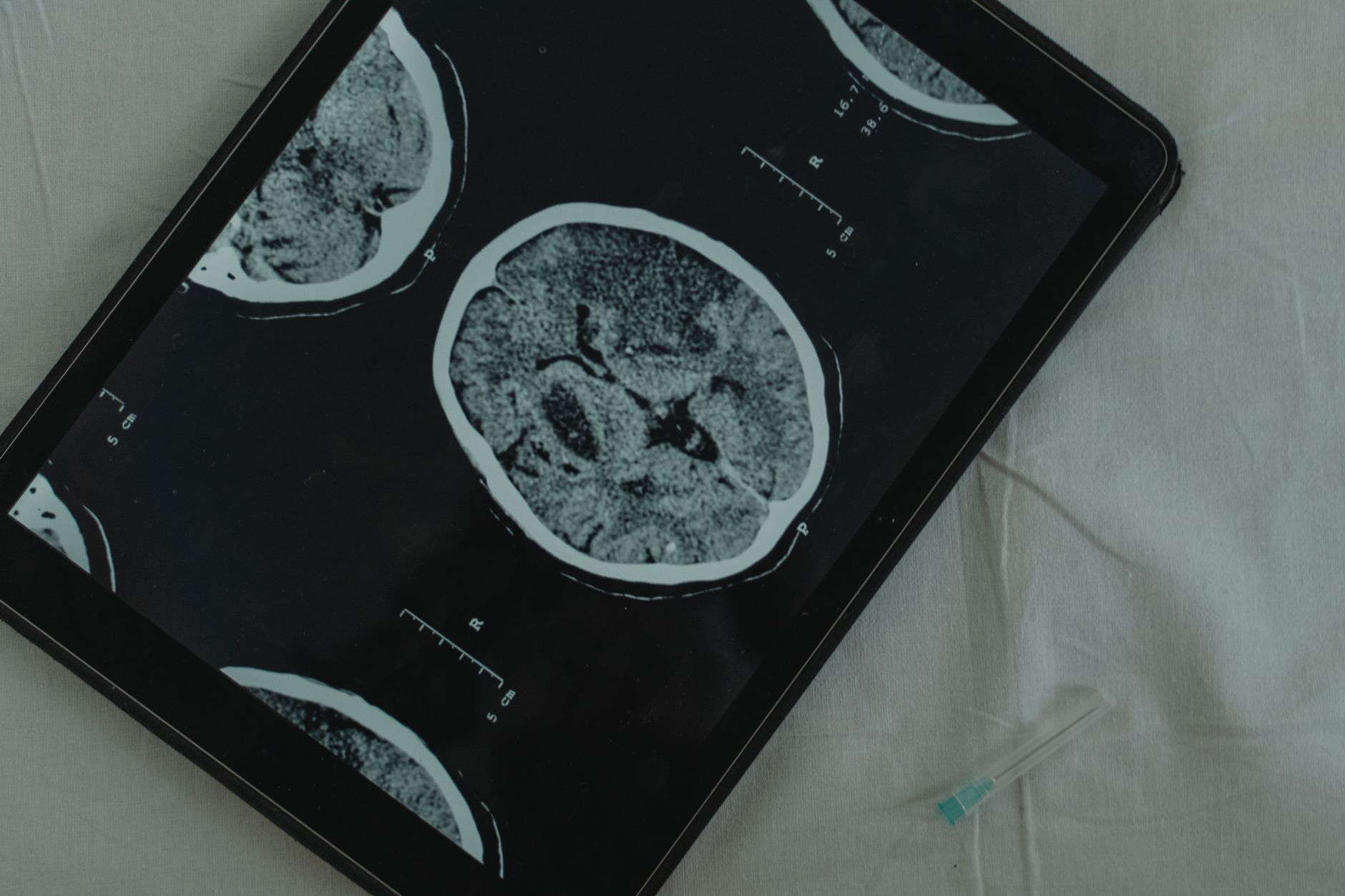
Deep brain stimulation (DBS) has emerged as an effective treatment for severe Tourette syndrome when other interventions fail to provide adequate symptom control. The procedure works by implanting thin electrodes in specific brain regions and delivering precise electrical pulses to modulate abnormal neural activity responsible for tics and related symptoms. For patients with severe, intractable Tourette syndrome—those who have exhausted medication options and behavioral therapies—DBS can significantly reduce both the frequency and severity of motor and vocal tics, sometimes cutting tic severity by half or more in carefully selected candidates.
The treatment represents a meaningful option for individuals whose symptoms severely impair daily functioning, relationships, and quality of life. Unlike other neurological conditions where DBS has a longer track record, its use in Tourette syndrome remains more specialized, typically reserved for adults and adolescents whose symptoms have proven resistant to standard approaches. A patient with violent motor tics affecting his ability to work, for instance, might experience substantial improvement in symptom control and social participation after successful DBS implantation.
Table of Contents
- How Does Deep Brain Stimulation Address Intractable Tourette Syndrome?
- The Deep Brain Stimulation Procedure and Long-Term Effects
- Real-World Patient Outcomes and Response Rates
- Who Is a Candidate for Deep Brain Stimulation Treatment?
- Risks, Complications, and Significant Limitations
- Daily Life and Device Management After Implantation
- Comparing DBS to Medication and Behavioral Therapy
How Does Deep Brain Stimulation Address Intractable Tourette Syndrome?
Tourette syndrome involves repetitive, involuntary movements and vocalizations (tics) that stem from imbalances in brain circuits governing motor control. The condition’s severity varies widely—some people experience mild, barely noticeable tics, while others develop tics so forceful or frequent that they cause injury, social isolation, or complete functional impairment. Deep brain stimulation targets specific neural pathways, typically in structures like the centromedian and parafascicular thalamus or the globus pallidus, to help normalize the chaotic electrical signaling underlying tics.
The mechanism differs from medications that work throughout the entire nervous system. Rather than blocking or altering neurotransmitter availability broadly, DBS delivers focal electrical stimulation that disrupts pathological rhythms in discrete brain regions. This targeted approach allows patients who have developed tolerance to medications or experience intolerable medication side effects to potentially regain meaningful tic control. Research and clinical experience have shown that many severely affected patients experience sustained improvement when a skilled surgical team implants electrodes in the appropriate location and calibrates stimulation parameters carefully over time.
The Deep Brain Stimulation Procedure and Long-Term Effects
Implanting a DBS system involves a surgical procedure where a neurosurgeon, often using stereotactic guidance and intraoperative neurophysiological monitoring, positions electrodes with millimeter precision in the target brain structure. A separate incision in the chest or abdomen then allows placement of the pulse generator—a battery-powered device roughly the size of a pacemaker—which controls the electrical stimulation. The whole process typically requires overnight hospitalization and a recovery period of several weeks before fine-tuning of stimulation settings begins.
Immediate effects after DBS activation are unpredictable; some patients notice rapid improvement in tics within days, while others require weeks or months of gradual adjustment to settings before meaningful benefit emerges. The stimulation can be adjusted non-invasively using an external programmer, allowing clinicians to optimize frequency, amplitude, and pulse width for each individual’s best response. A significant limitation to recognize is that DBS requires ongoing management—periodic device monitoring, occasional adjustments, and eventual battery replacement. The device requires a dedicated programming appointment every several months in the early years, and troubleshooting problems such as lead migration or suboptimal settings is an ongoing part of treatment.
Real-World Patient Outcomes and Response Rates
Published accounts and patient reports indicate that DBS can produce substantial tic reduction in appropriately selected patients, with some individuals reporting 50 to 80 percent decreases in tic severity or frequency. However, outcomes vary considerably—not everyone experiences the same degree of improvement, and a small percentage of patients report minimal benefit despite technically successful electrode placement. One adolescent with severe Tourette syndrome involving violent head-jerking tics that caused chronic neck pain reported significant improvement in tic frequency and intensity within three months of DBS activation, allowing him to return to school and participate in sports, though he still experienced occasional breakthrough tics during periods of stress.
Beyond simple tic reduction, many patients and families report improvements in secondary symptoms such as reduced anxiety, improved mood, and better sleep quality. These gains often translate into dramatic quality-of-life improvements—patients resume work, education, social activities, and relationships that severe tics had derailed. The long-term sustainability of benefit varies; some individuals maintain stable improvement over years, while others experience gradual drift in optimal settings requiring periodic re-programming or adjustments to stimulation parameters.
Who Is a Candidate for Deep Brain Stimulation Treatment?
Strict criteria guide selection of DBS candidates to maximize benefit and minimize unnecessary surgical risk. Patients must typically have severe, treatment-resistant Tourette syndrome unresponsive to adequate trials of at least two different medication classes and behavioral therapy such as habit reversal training or comprehensive behavioral intervention for tics (CBIT). The syndrome must significantly impair functioning in school, work, social relationships, or self-care.
Most DBS centers require patients to be at least 16 to 18 years old, though some institutions have expanded criteria to include younger adolescents with exceptionally severe, disabling symptoms. A comprehensive pre-surgical evaluation—including detailed neuropsychological testing, neuroimaging, and detailed psychiatric assessment—identifies patients likely to benefit and screens for conditions that might limit or contraindicate surgery. A key distinction from other DBS indications is that Tourette syndrome is a neuropsychiatric condition; many patients also experience anxiety, obsessive-compulsive symptoms, attention-deficit/hyperactivity disorder, or mood disorders. Untreated or severe psychiatric comorbidities can complicate outcomes and reduce the likelihood of successful DBS benefit, making careful psychiatric evaluation and treatment optimization essential before implantation.
Risks, Complications, and Significant Limitations
Like any brain surgery, DBS implantation carries surgical risks including infection, bleeding, or lead displacement, though serious complications remain uncommon when performed by experienced teams. Beyond surgical risks, patients must contend with stimulation-related side effects that vary depending on electrode location and stimulation parameters. Some individuals experience mood changes, cognitive effects, or altered sensation at higher stimulation settings; finding the optimal balance between tic control and tolerable side effects can require months of careful adjustment.
The procedure is also irreversible in practice—while leads can technically be removed, the decision to implant is largely permanent, as battery replacement and ongoing care continue indefinitely. Device malfunction, lead fracture, or inadequate long-term benefit can occur, and revision surgery is sometimes necessary. Additionally, DBS does not cure Tourette syndrome; tics typically return if stimulation is discontinued, meaning patients commit to lifelong device management and regular clinical follow-up. Some individuals experience a gradual decrease in DBS benefit over months or years, a phenomenon called “tolerance,” which may require adjustment to stimulation parameters or, rarely, replacement or repositioning of leads.
Daily Life and Device Management After Implantation
Patients with implanted DBS systems learn to manage their device as part of daily life, much like a person with a pacemaker. Most external activities—exercise, swimming, most work environments—proceed normally once healing is complete. However, certain activities require precautions; strong magnetic fields from MRI machines can interfere with or damage the device, necessitating special authorization and reprogramming. Airport security screening requires patient awareness and sometimes notification of security personnel, though properly configured devices typically pass through screening without incident.
The psychological adjustment to living with a surgically implanted brain device is substantial for some patients and families. Beyond the initial relief that significant tic reduction provides, patients may experience adjustment challenges, identity questions, or difficulty accepting dependency on a device for symptom control. Regular contact with an experienced DBS team, including neurologists, neurosurgeons, and neuropsychologists who specialize in movement disorders, becomes an ongoing component of healthcare. Support groups connecting DBS patients with Tourette syndrome can provide practical advice and emotional support through the adjustment process.
Comparing DBS to Medication and Behavioral Therapy
For mild to moderate Tourette syndrome, behavioral interventions like habit reversal training and medications such as dopamine antagonists or alpha-adrenergic agonists typically provide adequate control and remain first-line treatments. DBS becomes relevant specifically when these standard approaches have failed—after patients have undergone adequate trials of medications at therapeutic doses and received intensive behavioral therapy. The comparison to medication is particularly relevant because some patients develop tolerance to medications over time or experience unacceptable side effects; DBS offers an alternative pathway for those left without good options.
The time required to optimize DBS benefit—typically several weeks to months of adjustments and follow-up appointments—contrasts with the relative speed of adding or adjusting medications. Patients should understand that DBS is a substantial commitment involving surgery, ongoing monitoring, and permanent device management, whereas medication trials can be discontinued if they prove ineffective. Some individuals maintain the best long-term outcomes using a combination approach—lower medication doses supplemented with optimized DBS—rather than relying solely on stimulation for tic control.
- —