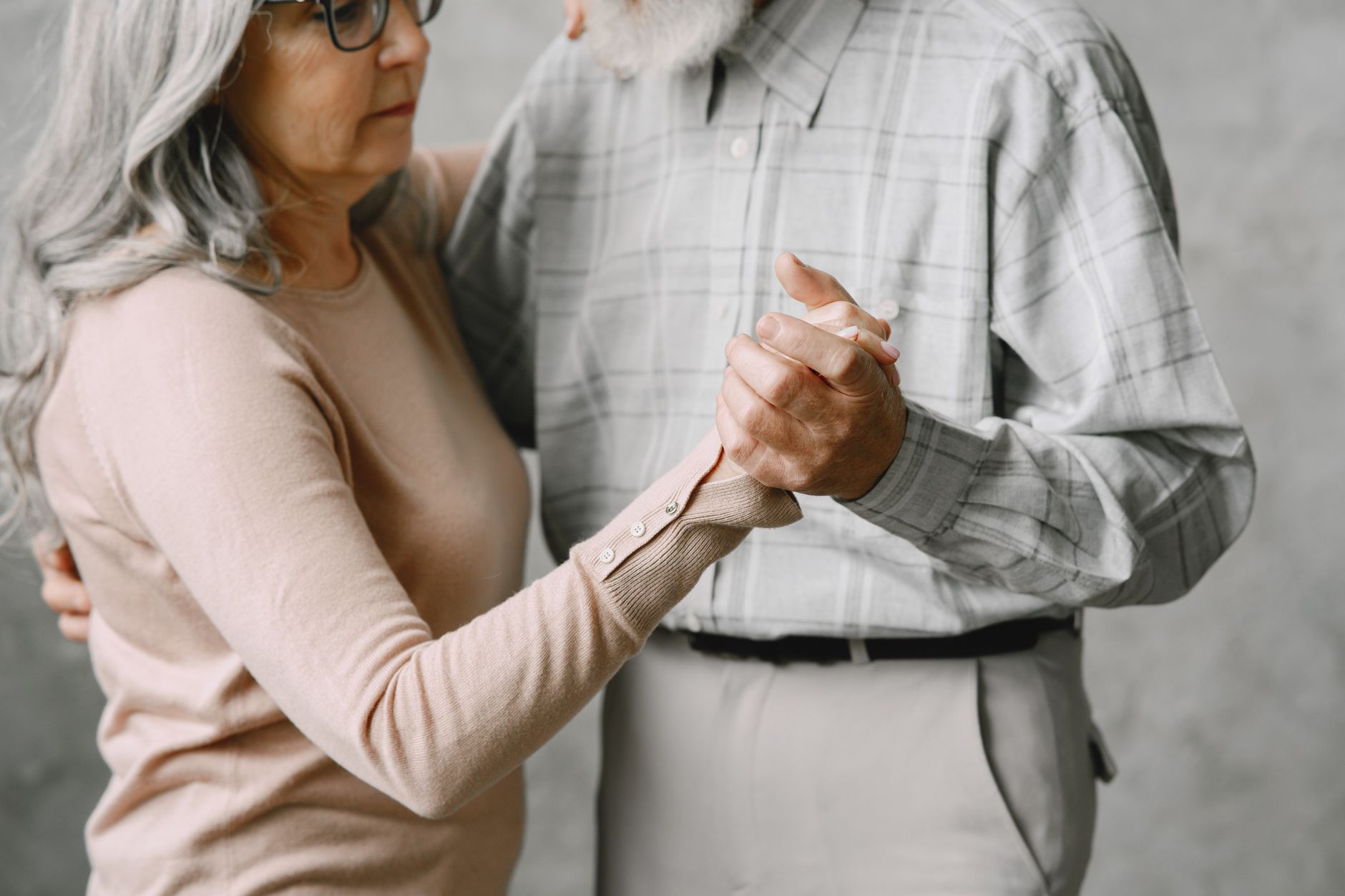
Turning becomes difficult in Parkinson’s disease because the basal ganglia—the brain region responsible for automatic movement—loses dopamine-producing neurons. Without adequate dopamine, the brain struggles to execute the complex, coordinated movements that turning requires. A person with Parkinson’s may find themselves standing still, wanting to turn around in conversation, and discovering their feet won’t respond smoothly.
Instead of pivoting fluidly as a healthy person would, they might take multiple small, shuffling steps or freeze entirely mid-turn. This happens because turning is not a single, simple movement—it requires the brain to simultaneously coordinate leg muscles, adjust posture, and redirect body orientation. Healthy brains do this automatically, without conscious thought. In Parkinson’s, the damaged basal ganglia cannot send the automatic motor commands that make turning fluid, so movements become slow (bradykinesia), stiff (rigidity), and unpredictable.
Table of Contents
- What Role Does the Basal Ganglia Play in Movement and Turning?
- How Does Rigidity Interfere With Turning?
- What Is Freezing of Gait and How Does It Affect Turning?
- What Practical Strategies Help Make Turning Easier?
- What Safety Risks Does Turning Create?
- Can Medications Improve Turning?
- When Should Turning Difficulties Prompt a Medical Evaluation?
What Role Does the Basal Ganglia Play in Movement and Turning?
The basal ganglia are clusters of nerve cells deep in the brain that act as a gatekeeper for automatic movement. They prepare motor programs—pre-packaged sequences of muscle commands—and release them at the right moment so you can walk, turn, reach, or gesture without thinking about each step. In Parkinson’s disease, neurons in the substantia nigra that produce dopamine die off. Without dopamine, the basal ganglia cannot function normally. The direct pathway, which facilitates movement, weakens, while the indirect pathway, which inhibits unwanted movement, strengthens. This imbalance paralyzes the automatic control system. Turning is especially dependent on basal ganglia function because it requires coordinating multiple body segments at once.
When you turn, your legs must pivot, your trunk must rotate, your arms must swing to maintain balance, and your head must move to track your gaze. All of this must happen together, smoothly, and in rhythm with walking if you are moving. A healthy basal ganglia makes this coordination invisible. A damaged one forces you to think through each component, slowing and fragmenting the motion. For example, a person with mid-stage Parkinson’s might decide to turn left while standing. Their brain must now consciously plan: shift weight, turn the body, move the legs, check balance, reorient. Each step of this planning takes time, and the execution is hesitant. This is why turning often feels like a separate, difficult task rather than a natural part of movement.
How Does Rigidity Interfere With Turning?
Rigidity—increased muscle stiffness—is a cardinal sign of Parkinson’s that severely limits turning. Normally, when you decide to turn, muscles on one side of your body relax while muscles on the other side contract. This reciprocal inhibition allows smooth movement. In Parkinson’s, muscles throughout the body remain partially contracted, as if they are bracing themselves.
The body becomes stiff in all directions, and turning becomes an act of fighting against this stiffness. Rigidity in the trunk is especially problematic because the trunk must rotate freely for turning to feel natural. A person with significant trunk rigidity may compensate by turning their feet first, then rotating their legs, then their pelvis, then their trunk—a sequential, slow process that a healthy person completes in one fluid motion. This segmented turning is less efficient, requires more balance control, and takes longer, making the person vulnerable to falls or fatigue. Some people with advanced Parkinson’s find they can barely turn their trunk at all, and instead rotate their entire body by stepping around in a small circle, like a person in a straightjacket.
What Is Freezing of Gait and How Does It Affect Turning?
freezing of gait (FOG) is one of the most disabling phenomena in Parkinson’s disease, and turning is a common trigger. FOG feels like your feet are glued to the ground—your brain is telling you to move, but your legs will not obey. The person becomes aware only when they try to move; they might be standing, reach a decision to turn, and find themselves paralyzed. FOG can last for a fraction of a second or several seconds, and it creates a profound sense of being stuck. Turning specifically triggers FOG because changing direction requires the basal ganglia to update the motor program on the fly.
For a person with severely impaired basal ganglia, this switching is difficult. They might freeze at the exact moment they initiate the turn. Others can take a few steps forward but freeze the moment they try to redirect. This unpredictability makes turning anxiety-provoking, and anxiety itself can worsen freezing. A person may begin to avoid turning or may turn more slowly and cautiously, adding stiffness to an already difficult movement.
What Practical Strategies Help Make Turning Easier?
Several evidence-based strategies can help people with Parkinson’s turn more safely and effectively. One of the most reliable is the use of visual cues or rhythmic auditory cues—turning in time with music, a metronome, or a visual line on the floor. These external cues bypass the damaged basal ganglia and route motor control through the cerebellum and motor cortex, areas that Parkinson’s damages less severely. A person who freezes during a normal turn might move smoothly if turning to a marching beat. Another strategy is breaking the turn into smaller, planned steps rather than trying to pivot. Instead of pivoting on the balls of the feet, the person takes small forward steps while gradually changing direction.
📨 Get Free Parkinson's Guides Alerts
Free · No spam · Unsubscribe anytime
This requires more conscious planning than a healthy person uses, but it is more reliable than attempting a fluid turn. Physical therapy that emphasizes high-stepping walks and exaggerated arm swinging can improve turning fluidity by leveraging sensory pathways that remain functional. A caregiver or physical therapist may suggest pre-planning turns—pausing and making a conscious decision before turning, rather than turning on impulse. This gives the brain time to prepare the motor program, reducing the chance of freezing or losing balance. For some people, using a cane or walker provides tactile feedback that helps trigger movement. Others benefit from wearing heavier shoes or using a weighted vest, as the increased sensory input may enhance proprioception and improve motor control.
What Safety Risks Does Turning Create?
Turning is a common time for falls in people with Parkinson’s disease because it demands balance control, and Parkinson’s impairs postural reflexes—the automatic adjustments that keep you upright. When turning, you momentarily destabilize your center of gravity. A healthy balance system corrects this automatically. An impaired system may not respond quickly enough. Combined with slow movement and rigidity, this creates a high-fall risk.
A person with Parkinson’s who turns while standing in place is at higher risk than one who incorporates the turn into walking, but both situations are vulnerable. Turning while holding something, like an armrest or furniture, significantly reduces fall risk and should be encouraged. Some people develop a habit of becoming “stuck” mid-turn, where they initiate the turn but cannot complete it and cannot step forward again. This is exceptionally frustrating and a safety concern if the person is in a narrow space or near stairs. Turning while carrying an object—holding a plate, a cup of coffee, or a grocery bag—further increases fall risk because it reduces available arm motion for balance correction. People with Parkinson’s should be advised to put down objects, grasp a rail or furniture, and then turn, even though this takes longer and feels awkward.
Can Medications Improve Turning?
Levodopa and other dopamine agonists improve motor control and can reduce rigidity and slowness, potentially making turning easier for some people. However, turning problems often persist even with medication, because the basal ganglia degeneration is progressive and eventually medication effects plateau. A person might have excellent turning ability in the “on” state, when medication is working at peak effect, but struggle significantly in the “off” state, when medication has worn off.
As Parkinson’s advances, the wearing-off periods lengthen, and turning becomes unpredictable—smooth and fluid during medication peaks, but slow, stiff, and risky during troughs. This variability means a person might fall or freeze during a turn at an unpredictable time, which increases the overall risk of injury. Adjustments to medication timing or dosage can sometimes improve this, and deep brain stimulation (DBS) surgery can help some people with advanced Parkinson’s, particularly those who experience significant freezing, though DBS is not universally effective for turning problems.
When Should Turning Difficulties Prompt a Medical Evaluation?
Difficulty turning that suddenly worsens or appears for the first time should be evaluated by a neurologist because it may signal disease progression, medication changes, or other treatable conditions. Similarly, the onset of freezing during turns, or falls specifically during turning, warrants urgent assessment. A person who has always turned slowly but suddenly cannot turn at all may need medication adjustment or may be entering a new disease stage.
A physical or occupational therapist can assess turning difficulty more specifically than a standard office exam—they can observe the person turning in real environments and identify whether rigidity, slowness, freezing, balance loss, or fear is the primary problem. Different problems respond to different interventions, so this targeted assessment is valuable. Environmental modifications, such as removing throw rugs, installing handrails, improving lighting, and creating clear turning spaces, are often more effective at preventing falls than any single medication or therapy.
You Might Also Like
- Early Handwriting Changes Associated With Parkinson’s
- Early Balance Changes Associated With Parkinson’s
- Why Stress Can Make Parkinson’s Tremor Worse