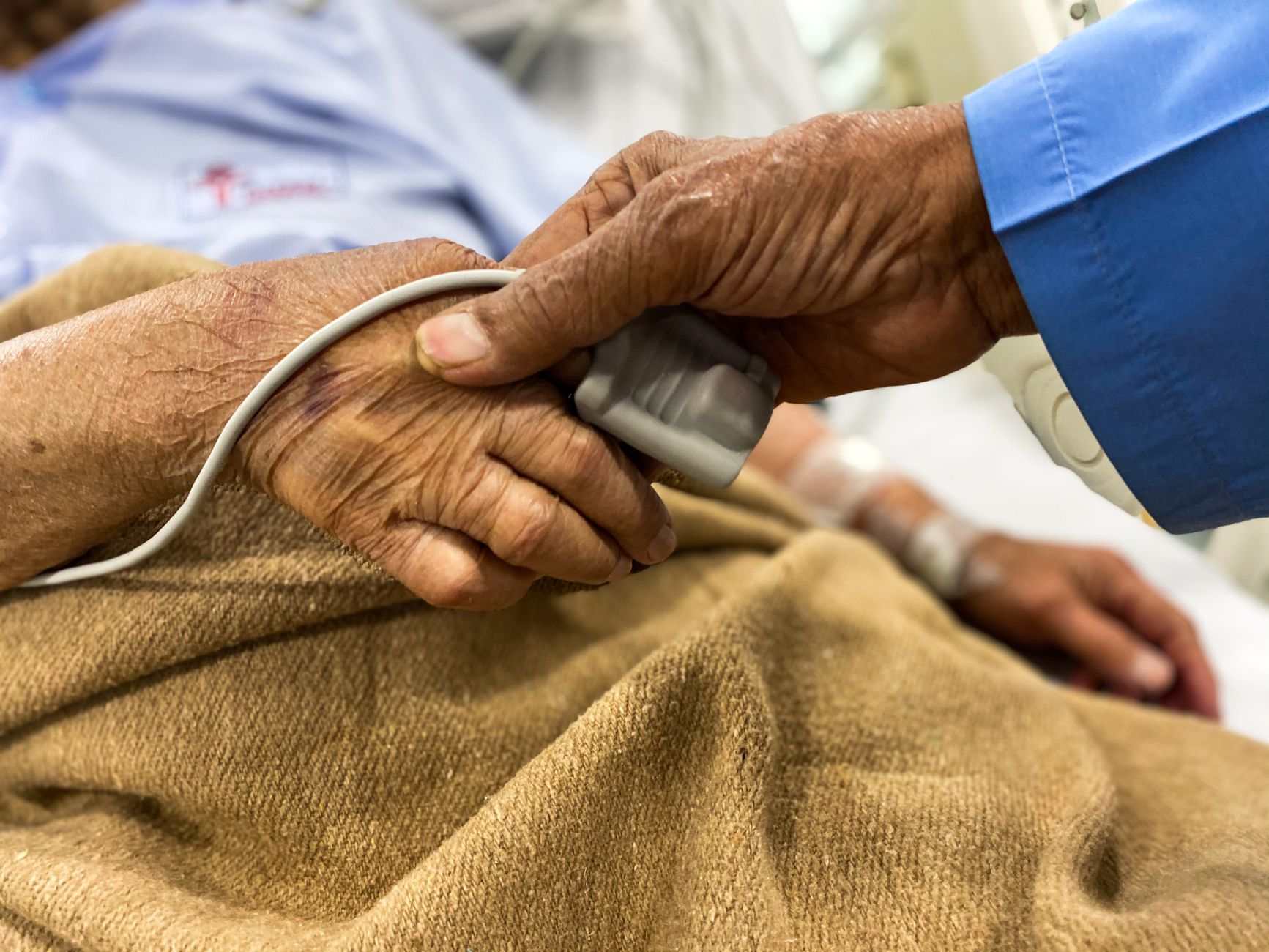
Parkinson’s disease diagnoses have been rising steadily over the past two decades, driven by increased awareness, improved diagnostic tools, and an aging population. Yet this climb in cases reveals a critical disparity in patient outcomes: those diagnosed early experience markedly better long-term results than those whose diagnosis is delayed. A patient diagnosed at age 50 with subtle motor symptoms, for example, has significantly more time to benefit from disease-modifying treatments and lifestyle adjustments than a patient whose symptoms go unrecognized until age 70, when cognitive decline has already begun.
The relationship between diagnostic timing and outcomes is not incidental—it is central to modern Parkinson’s management. The brain’s progressive loss of dopamine-producing cells does not pause for a late diagnosis. The earlier a neurologist identifies Parkinson’s, the sooner treatment can slow progression, the sooner a patient and family can plan for anticipated changes, and the sooner behavioral and physical interventions can be implemented.
Table of Contents
- Why Are Parkinson’s Diagnoses Increasing, and What Does This Mean for Patients?
- The Critical Window—How Early Detection Changes Disease Progression
- What Do Prompt Diagnosis and Early Treatment Mean for Long-Term Outcomes?
- The Role of Specialist Evaluation in Securing Better Outcomes
- Risks of Delayed Diagnosis and the Invisible Costs of Late Recognition
- Diagnostic Criteria and the Challenge of Identifying Early Parkinson’s
- Building Systems That Catch Parkinson’s Earlier
- Frequently Asked Questions
Why Are Parkinson’s Diagnoses Increasing, and What Does This Mean for Patients?
The rising number of Parkinson’s diagnoses reflects several converging forces. Longer life expectancy means more people reach the age when Parkinson’s typically emerges—most commonly after 60, though it can occur earlier. Greater public awareness campaigns and media coverage have also made patients and primary care doctors more alert to early warning signs: a tremor that does not go away, stiffness in one arm, slowed movement, or a change in handwriting. These efforts to raise awareness have narrowed the diagnostic gap, though unevenly across different populations.
Increased diagnoses do not necessarily mean Parkinson’s is becoming more common—some of the rise reflects improved detection. Neuroimaging, dopamine transporter scans, and refined clinical criteria now allow earlier identification than was possible 30 years ago, when a diagnosis was often made only when symptoms were severe and unmistakable. This improved detection is beneficial: it catches disease earlier. However, the downside is that diagnostic uncertainty also increases. Some patients identified through advanced screening may have atypical presentations or conditions that mimic Parkinson’s, leading to misdiagnosis or overtreatment with medications they do not ultimately need.
The Critical Window—How Early Detection Changes Disease Progression
The first few years after a Parkinson’s diagnosis represent a neurological window of opportunity. During this period, a patient’s brain retains more dopamine-producing cells and remains more responsive to medication and non-pharmacological interventions. Starting levodopa or dopamine agonists earlier, when the disease is milder, allows doctors to use lower doses and to better match medication to the patient’s lifestyle and work demands. A 55-year-old professional diagnosed early can remain in the workforce, adjust medication timing around work hours, and maintain independence far longer than a patient with identical biology who was diagnosed at 70.
Early diagnosis also enables the introduction of neuroprotective habits—regular aerobic exercise, sleep optimization, cognitive training—when a patient still has the energy and clarity to sustain them. Studies have shown that patients who engage in consistent exercise and who receive early speech or physical therapy show slower decline in mobility and fewer falls than those who delay intervention. However, not all early therapies are universally beneficial. Some medications that slow progression in early disease may carry different risks later, and overtreatment with multiple drugs in the early years can lead to side effects that worsen quality of life, a tradeoff that requires honest conversations between patient and doctor.
What Do Prompt Diagnosis and Early Treatment Mean for Long-Term Outcomes?
Patients with early-stage Parkinson’s who receive prompt treatment show measurable differences in long-term outcomes compared to those diagnosed later. They maintain motor function longer—fewer falls, better balance, slower decline in hand coordination. They experience a longer period of independence in activities of daily living: dressing, bathing, preparing food. They are also more likely to remain employed or engaged in meaningful activity, which carries its own protective effect on cognitive health and emotional well-being.
A concrete example: a patient diagnosed with Parkinson’s at 58, who begins exercise, receives dopamine replacement therapy, and works with a movement disorder specialist, may remain independent and employed into their late 70s. The same patient diagnosed at 72, after years of unrecognized slowness and rigidity, might require full-time care by 80. The disease’s timeline does not change, but the window of functional life does. Beyond motor outcomes, early-diagnosed patients also have better access to clinical trials testing new therapies, and they accumulate more years of data on their disease course—information their neurologist uses to fine-tune medications and anticipate complications before they become crises.
The Role of Specialist Evaluation in Securing Better Outcomes
Not all doctors are equally equipped to diagnose Parkinson’s early. A primary care physician facing a patient with mild tremor or subtle slowing may attribute these to normal aging, stress, or other conditions—arthritis, depression, medication side effects—and delay specialist referral by months or years. A movement disorder specialist, by contrast, recognizes the constellation of signs—resting tremor, rigidity, bradykinesia, postural instability—that together point to Parkinson’s diagnosis even when symptoms are mild. The challenge is that access to movement disorder specialists is geographically uneven.
Patients in major cities or near academic medical centers may receive specialist evaluation within weeks; rural patients or those without transportation may wait a year or more. This disparity in access directly translates into disparity in diagnostic timing and, consequently, in outcomes. A patient who must travel four hours for a specialist appointment and lacks paid leave may delay seeking evaluation, while a patient with ready access to a neurologist is more likely to pursue early consultation. The cost of specialist visits and imaging—dopamine transporter scans are expensive and may not be covered by all insurance plans—also gates access, meaning that wealthier, better-insured patients are statistically more likely to receive timely diagnosis and specialist-guided care.
Risks of Delayed Diagnosis and the Invisible Costs of Late Recognition
By the time Parkinson’s is formally diagnosed, substantial neurological damage has often already occurred. The brain’s dopamine-producing cells have declined by an estimated 60 percent or more before motor symptoms become obvious enough to prompt a diagnosis. During this silent phase, non-motor symptoms—constipation, sleep disturbance, anosmia (loss of smell), mood changes—are often overlooked or attributed to other causes, delaying the entire diagnostic pathway. Late diagnosis carries specific, measurable costs.
Patients who reach diagnosis after motor symptoms become severe—falls, freezing of gait, severe rigidity—have already lost more independence than they can recover, even with the best available treatment. They are at higher risk for fractures, infection, and hospitalization early in their disease course. Non-motor complications that might have been managed proactively become crises instead: unrecognized sleep disorders lead to falls; untreated depression worsens medication compliance and accelerates cognitive decline. Additionally, patients diagnosed late often arrive at the neurologist’s office having already spent years adjusting to progressive disability without support, creating a psychological burden and lowered expectation of recovery that makes them less likely to engage with therapies.
Diagnostic Criteria and the Challenge of Identifying Early Parkinson’s
Clinical diagnosis of Parkinson’s relies on the observation of characteristic motor signs: rest tremor, rigidity, bradykinesia, and loss of postural reflexes. In early disease, only one or two of these may be present, and they may be subtle—barely noticeable to the patient or to a doctor who sees them for only 10 minutes during an annual physical.
Red flags like changes in handwriting, reduced arm swing during walking, or difficulty rolling over in bed are present early but are not specific to Parkinson’s; many conditions cause these changes. Biomarker testing—dopamine transporter scans, cerebrospinal fluid analysis, positron emission tomography—can improve diagnostic confidence in early cases, but these tests are expensive, not universally available, and not routine in primary care. The practical result is that diagnosis often relies on clinical suspicion and specialist judgment, meaning that patients with atypical presentations or those seen by doctors unfamiliar with early Parkinson’s signs go undiagnosed for years.
Building Systems That Catch Parkinson’s Earlier
Some healthcare systems are beginning to establish protocols that improve early detection. Training primary care doctors to recognize and refer early signs, creating easier pathways to specialist evaluation, and implementing routine screening for non-motor symptoms in older adults (especially anosmia and sleep disorders) have all shown promise in shrinking the diagnostic delay. Community education programs that teach patients and families to recognize warning signs have also contributed to earlier presentation and diagnosis.
However, these improvements remain patchy. A patient diagnosed through early recognition in a well-organized healthcare system may have a fundamentally different disease course than a patient in an area without such programs, despite living with identical Parkinson’s biology. This variation in diagnostic systems, access, and timing remains one of the largest modifiable drivers of outcome disparity in Parkinson’s disease.
- —
Frequently Asked Questions
How much time is lost between symptom onset and Parkinson’s diagnosis?
On average, patients experience symptoms for 2–5 years before formal diagnosis, though this varies widely depending on how noticeable the symptoms are and how quickly a specialist is consulted. Non-motor symptoms often appear years before motor signs become obvious.
What are the earliest warning signs a doctor should investigate?
Loss of sense of smell without a cold, constipation, sleep disorders, a tremor that does not resolve, slowed movement, and changes in handwriting or voice can all appear years before a diagnosis. These are not specific to Parkinson’s, but together they warrant specialist evaluation.
Does early treatment stop Parkinson’s from progressing?
No medication stops Parkinson’s entirely. Early treatment can slow progression and extend the period of independence and function, but it does not halt or reverse the underlying neurological changes.
Can Parkinson’s be diagnosed without a specialist?
Primary care doctors can diagnose Parkinson’s in clear cases, but early or atypical presentations are often missed. A movement disorder specialist improves diagnostic confidence and identifies early disease more reliably.
What is the impact of a 5-year diagnostic delay?
A 5-year delay means approximately 60% loss of remaining dopamine-producing cells occurs before treatment begins. This translates to faster progression and shorter periods of independence after diagnosis compared to patients diagnosed earlier.