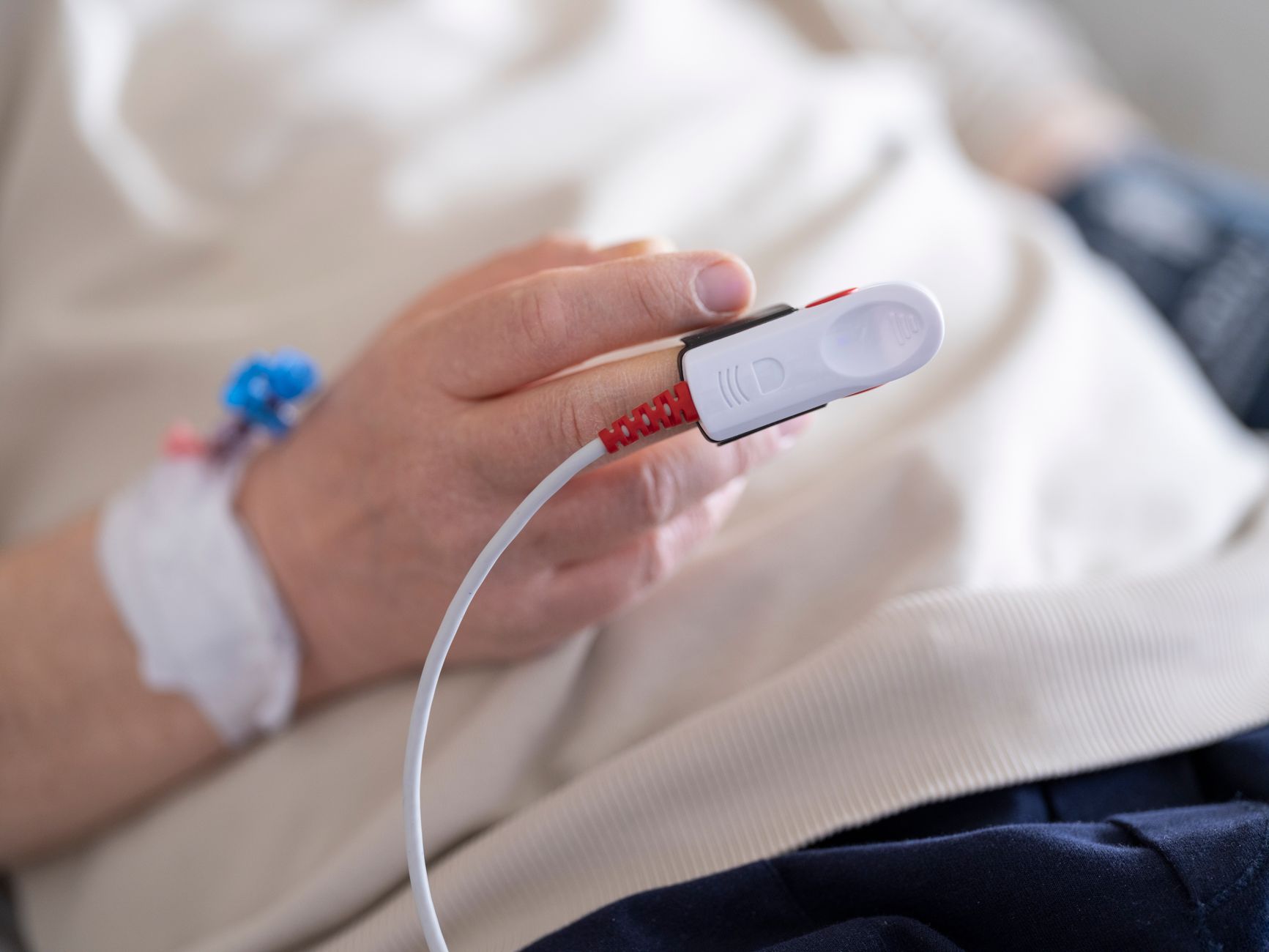
Remote sensor technology now offers neurologists and caregivers a way to monitor Parkinson’s movement symptoms outside the clinic, tracking tremor, rigidity, and bradykinesia (slow movement) without requiring patients to be physically present in an examination room. These sensors—typically wearable devices worn on the wrist, ankle, or chest—use accelerometers and gyroscopes to measure movement patterns in real time and over extended periods, allowing doctors to detect changes in motor function that a single office visit might miss. For someone with Parkinson’s, this means continuous insight into how symptoms fluctuate throughout the day, when medications are working best, and how disease progression is actually unfolding in daily life.
The appeal is straightforward: Parkinson’s symptoms vary dramatically from hour to hour and day to day, but traditional neurological exams capture only a snapshot. A patient with tremor at rest might perform perfectly on the doctor’s test while sitting in a quiet clinic, yet struggle with rigidity and freezing at home during morning routines. Remote sensors fill that gap, recording objective data that supplements what patients describe and what clinicians observe. This shift from episodic assessment to continuous monitoring represents a meaningful change in how the disease is tracked.
Table of Contents
- How Do Remote Sensors Actually Detect Parkinson’s Movement Changes?
- What Technical Challenges Exist in Remote Sensor Monitoring?
- How Does Remote Monitoring Change the Patient-Doctor Relationship?
- When Should Patients Consider Using Remote Sensor Technology?
- What Are the Privacy and Data Security Concerns?
- How Does Remote Sensor Data Compare to Traditional Clinic-Based Assessment?
- What Role Do Sensors Play in Research and Drug Development?
- Frequently Asked Questions
How Do Remote Sensors Actually Detect Parkinson’s Movement Changes?
Remote sensors detect Parkinson’s symptoms by measuring the acceleration, rotation, and orientation of body movements with high precision. An accelerometer captures how fast movement speed changes in three dimensions; a gyroscope measures rotational movement. When someone with Parkinson’s experiences tremor, the sensor picks up the rhythmic oscillations characteristic of rest tremor (typically 4–6 cycles per second) or postural tremor (when holding arms extended). For bradykinesia, sensors detect a slowing of movement or reduced amplitude—someone reaching for a coffee cup moves more slowly and covers less distance than a person without Parkinson’s, patterns the device captures in milliseconds. The real power emerges when data streams continuously over weeks or months.
A wearable sensor worn during daily activities—not just during clinical testing—reveals whether tremor worsens in the afternoon, whether medication effects wear off predictably after a certain number of hours, or whether balance problems emerge specifically during certain tasks. A patient might notice their hand shakes more by evening but attribute it to fatigue; the sensor provides objective confirmation, potentially prompting a medication timing adjustment. Algorithms can filter out irrelevant motion (like sitting or sleeping) and highlight the movement abnormalities that matter. One limitation: sensors cannot distinguish between different types of tremor or measure some aspects of rigidity that a physician can assess through passive joint movement. A neurologist can feel resistance in the arm (cogwheel rigidity) in ways a sensor cannot. Remote monitoring works best as a complement to clinical examination, not a replacement.
What Technical Challenges Exist in Remote Sensor Monitoring?
Battery life and comfort directly affect real-world usability. A sensor that lasts only eight hours requires daily charging, which some patients forget or find inconvenient, creating gaps in data. Patients with arthritis, tremor, or cognitive changes may struggle to don and remove devices correctly, or forget they are wearing them. The device must be comfortable enough for all-day wear without irritation—particularly challenging for patients with skin sensitivity or those already managing multiple medications and symptoms.
Data interpretation presents another hurdle. A sensor can record that someone’s movement amplitude decreased by 15% over two weeks, but that number alone does not tell a doctor whether the change reflects disease progression, a medication adjustment side effect, insufficient sleep, or normal day-to-day variation. The data must be paired with clinical context: Did the patient recently start a new medication? Did they fall ill with an infection? Did they receive deep brain stimulation adjustment? Without context, sensor data can mislead. Furthermore, the algorithms that analyze movement patterns must be validated against actual clinical outcomes—does a 15% amplitude decline predict future motor decline or treatment failure? That validation is ongoing.
How Does Remote Monitoring Change the Patient-Doctor Relationship?
Remote sensor data can shift conversations during clinic visits from general health updates to precise, data-driven discussions. Instead of a patient saying, “I think my tremor has been worse lately,” a neurologist can pull up two months of tremor frequency measurements and discuss specific times of day or situations when changes occur. This precision can lead to faster, more targeted adjustments—switching the timing of a medication dose or adjusting deep brain stimulation settings based on real activity data rather than guesswork. For some patients, knowing that their symptoms are being measured continuously provides reassurance and motivation to stick with their treatment plan.
Others find constant monitoring anxiety-inducing, especially if they worry about data privacy or become fixated on small fluctuations. Caregivers, too, may view remote data differently—a spouse monitoring their partner’s activity through a connected app might feel empowered to intervene early if a pattern suggests a problem, or conversely, might experience surveillance fatigue. Remote data also creates new questions about equity: patients with smartphone access, reliable internet, and the ability to manage technology benefit, while others may be left without the monitoring advantage. A rural patient without consistent broadband cannot easily upload data to their neurologist’s office.
When Should Patients Consider Using Remote Sensor Technology?
Remote monitoring works best for patients in the moderate stages of Parkinson’s—those with measurable motor symptoms but sufficient autonomy to manage a wearable device. Early-stage patients with minimal symptoms may not need such frequent data collection, as disease changes are slower and standard clinical assessments suffice. Advanced-stage patients with severe motor impairment, cognitive decline, or extensive motor complications might struggle with device management, and family caregivers may lack time or technical skill to support the process.
Specific scenarios favor remote monitoring: tracking medication responses when a patient and neurologist are trying to optimize drug timing or dosage, investigating possible medication wearing-off effects (when symptom control diminishes before the next dose), assessing how deep brain stimulation settings are working post-surgery, or documenting disease progression for research studies. Insurance coverage and cost vary widely; some programs cover remote monitoring devices, while others do not, leaving cost as a significant barrier. Patients should discuss with their neurologist whether remote monitoring addresses their specific needs and whether their living situation and technical comfort support consistent device use. A patient who is tech-savvy and motivated to track symptoms differs markedly from someone who forgets to charge devices or lacks reliable internet.
What Are the Privacy and Data Security Concerns?
Medical data from wearable sensors is sensitive personal information: movement patterns, timing of symptoms, and medication use can reveal when someone is home, when they are resting, and subtle details about their health status. A breach or unauthorized access could expose this information to employers (who might discriminate), insurance companies, or other third parties. Companies and clinical providers collecting sensor data must meet regulatory standards—in the United States, HIPAA rules govern how patient health information is stored, transmitted, and shared—but enforcement gaps exist, and cybersecurity threats evolve constantly.
Patients should know where their data is stored (in a cloud server, a local device, or a hybrid setup), who has access, whether data is encrypted, and how long it is retained. Some research-focused sensor programs ask patients to consent to their data being used in studies, a choice that differs from personal clinical monitoring. Asking these questions before agreeing to remote monitoring is essential, not because current systems are necessarily unsafe, but because privacy standards vary and patient expectations should align with actual practice.
How Does Remote Sensor Data Compare to Traditional Clinic-Based Assessment?
Traditional Parkinson’s assessment relies on the Unified Parkinson’s Disease Rating Scale (UPDRS), a standardized test administered by a neurologist during an office visit. The clinician observes tremor, rigidity, bradykinesia, posture, and gait, scoring each on a severity scale. This test is reliable and captures a holistic sense of motor function, but it occurs in an artificial setting—a quiet clinic—at a single point in time, usually months apart.
Conversely, remote sensor data provides continuous, real-world measurement but lacks the clinical context and qualitative assessment that a skilled examiner brings. Neither approach is superior; they complement each other. Sensors excel at detecting subtle change over weeks, identifying patterns invisible in a single exam, and motivating patients to engage actively in their care. Clinical exams excel at assessing aspects of Parkinson’s that sensors miss—cognitive changes, speech difficulties, swallowing problems, mood—and allowing a neurologist to adjust a patient’s overall care strategy holistically.
What Role Do Sensors Play in Research and Drug Development?
Pharmaceutical companies developing Parkinson’s treatments increasingly use remote sensor data in clinical trials, recognizing that continuous measurement captures drug effects more accurately than traditional periodic assessments. A study testing a new motor symptom treatment can enroll patients who wear sensors throughout the trial, providing far more data points than the three or four in-person visits typically required.
This richer dataset can reveal whether a drug actually improves tremor or bradykinesia in real-world conditions and identify side effects or unexpected patterns early. For patients, participation in sensor-based research studies offers earlier access to investigational treatments and more frequent contact with their care team—though it also means additional device management and a less familiar monitoring setup. Research using sensor technology is generating new understanding of Parkinson’s progression and how different treatments perform over time, knowledge that ultimately improves treatment for all patients.
Frequently Asked Questions
Do I have to use remote sensor technology if my neurologist recommends it?
No. Sensor monitoring is optional and supplements—not replaces—your regular clinic visits. Discuss with your doctor whether it fits your situation and comfort level.
How often should I expect my data to be reviewed?
That depends on your care plan. Some neurologists review data weekly, others monthly. Discuss the expected frequency before starting so you know when to expect feedback.
Will my insurance cover a remote monitoring device?
Coverage varies. Some insurance plans cover devices used in clinical research or for specific indications; others do not. Contact your insurance provider and ask your neurologist’s office whether they have worked with your insurer on this question.
Can remote sensors replace my neurologist?
No. Sensors provide valuable data but cannot diagnose, assess non-motor symptoms, or make the clinical judgments that a trained neurologist provides. They work best as part of your overall care.
What happens to my data if I stop using the device?
Ask your provider before starting whether data will continue to be stored, deleted after a certain period, or archived. Policies vary.
Are there any concerns about wearing a sensor all day?
Some people find continuous monitoring reassuring; others feel anxious about it. Skin irritation is possible but uncommon. Discuss any concerns with your doctor before starting.