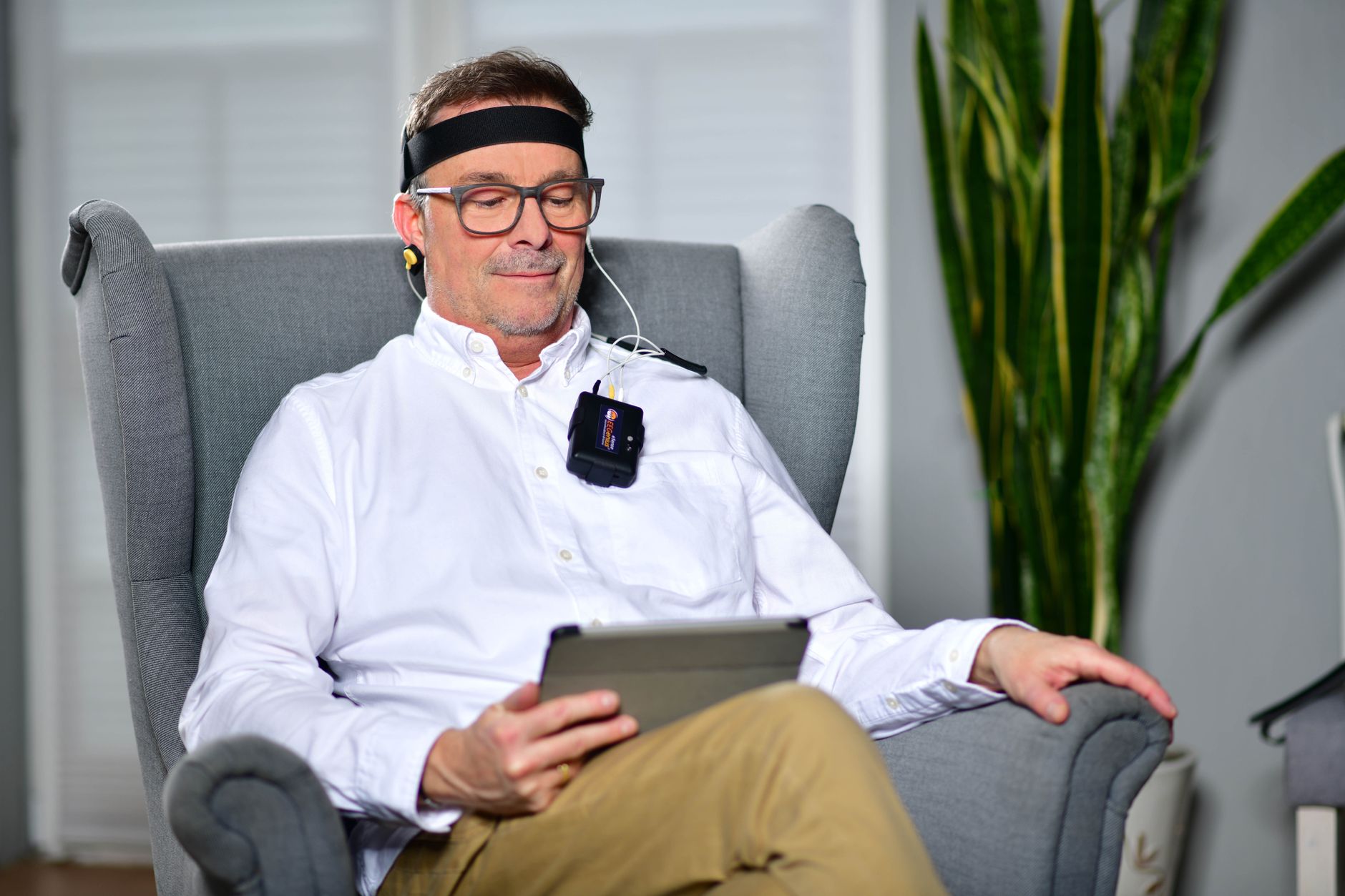
Brain stimulation treatments have emerged as established options for managing essential tremor when medications fail to provide adequate control. Deep brain stimulation, or DBS, involves implanting thin electrodes into specific brain regions—most commonly the ventral intermediate nucleus of the thalamus—that regulate movement. A person whose hands shake so severely they cannot hold a cup of coffee may see their tremor reduced by 60 to 90 percent with DBS, often within weeks of activation, though results vary considerably between individuals.
Essential tremor affects millions of people worldwide and represents one of the most common movement disorders seen in clinical practice. Unlike Parkinson’s disease, which causes tremor at rest, essential tremor typically appears during intentional movement—when reaching, writing, or holding objects. When standard medications like beta-blockers and anticonvulsants stop working or cause intolerable side effects, brain stimulation becomes a realistic alternative that can restore function and independence. This article covers the main brain stimulation approaches available today, how they work, what to expect during and after treatment, and the practical considerations that matter when deciding whether this path makes sense for your situation.
Table of Contents
- How Does Deep Brain Stimulation Work for Essential Tremor?
- Surgical Risks and Recovery Expectations
- Focused Ultrasound as a Non-Surgical Alternative
- Comparing DBS and Ultrasound: Which Approach Fits Your Situation?
- Managing Stimulation Settings and Long-Term Adjustments
- Comparing Brain Stimulation to Ongoing Medical Management
- Specialized Considerations and Emerging Technologies
How Does Deep Brain Stimulation Work for Essential Tremor?
deep brain stimulation operates by sending electrical pulses to overactive brain circuits that generate tremor. The ventral intermediate nucleus, located deep within the thalamus, acts as a relay station for movement signals. When this area misfires in essential tremor, it creates the characteristic rhythmic shaking. The implanted electrode essentially quiets this abnormal activity, similar to how a pacemaker regulates heartbeat. Neurologists can adjust the stimulation settings after implantation—changing frequency, voltage, and pulse width—to find the optimal balance between tremor reduction and side effects. The procedure involves two main steps.
First, a stereotactic frame or frameless navigation system guides surgeons to the precise thalamic location using MRI or CT imaging. The electrode is then placed and tested while the patient is awake to confirm proper placement and map any side effects. Days or weeks later, the pulse generator—a battery-powered device about the size of a pacemaker—is implanted under the collarbone, connected to the electrode via a thin wire running beneath the skin. One critical limitation: DBS works better for tremor-dominant essential tremor than for the progressive, disabling forms that develop over decades. A 65-year-old with relatively recent-onset tremor may see excellent results, while someone whose tremor has caused severe functional loss for 20 years might experience partial improvement. Surgery cannot reverse existing nerve damage or restore lost dexterity from years of compensation.
Surgical Risks and Recovery Expectations
Like all neurosurgery, DBS carries real risks. Hemorrhage, infection, and lead malposition occur in a small but measurable percentage of cases. Stroke or permanent neurological injury remains rare but possible. Equally important, some patients experience cognitive side effects—confusion, memory problems, or mood changes—especially if stimulation settings are too aggressive or if the electrode location is slightly off. These complications can sometimes be reversed by adjusting settings, but not always. Recovery from electrode implantation typically takes several weeks.
Many patients report immediate partial improvement once the device is turned on, though full therapeutic benefit often takes months as neurologists refine settings through multiple office visits. The scalp where the electrode was placed may remain tender or numb for weeks. Patients must avoid MRI scans (except with specific DBS-compatible machines), high-impact contact sports, and activities that might damage the implanted hardware. Battery life presents an ongoing practical consideration that many people underestimate. Older pulse generators lasted 3 to 5 years before requiring replacement surgery. Newer rechargeable systems can last a decade or longer but require nightly charging—a commitment similar to charging a phone. Insurance coverage for replacement surgery is generally reliable, but the prospect of returning to the operating room every few years is a genuine lifestyle factor worth considering before committing to DBS.
Focused Ultrasound as a Non-Surgical Alternative
Focused ultrasound offers a different approach: it uses concentrated sound waves to precisely heat and permanently disable a tiny area of the thalamus without any incision or implanted hardware. The procedure is performed under local anesthesia in a specialized MRI suite, with real-time imaging guiding the ultrasound beam to the target. Tremor reduction typically occurs immediately and persists because the treated tissue is destroyed rather than merely stimulated. The major advantage is permanence—no batteries, no ongoing adjustments, no implanted device to malfunction. A person who undergoes ultrasound thalamotomy does not need any follow-up procedures or device maintenance for the rest of their life.
However, the procedure is irreversible. If tremor reduction is insufficient or if side effects develop, they cannot be adjusted away by changing settings. Additionally, focused ultrasound has primarily been studied in one-sided procedures, limiting its use for bilateral tremor that affects both hands. Focused ultrasound remains less widely available than DBS and may not be covered by all insurance plans. It also requires intact cognitive function and the ability to remain still in the MRI machine for an extended procedure, which excludes some older patients or those with claustrophobia. For the right candidate—someone with relatively stable, one-sided tremor who values simplicity over adjustability—focused ultrasound can be transformative.
Comparing DBS and Ultrasound: Which Approach Fits Your Situation?
Choosing between deep brain stimulation and focused ultrasound depends on several personal factors. DBS offers adjustability: if tremor worsens over time, or if side effects emerge, settings can be tweaked or reprogrammed remotely through newer devices. This flexibility comes at the cost of battery management and the need for periodic adjustments. Focused ultrasound eliminates these hassles but trades flexibility for permanence—the thermal lesion cannot be undone or refined after the fact. Age and overall health influence the decision significantly. A 70-year-old with minimal other medical problems may tolerate DBS surgery well and benefit from the long-term stability the device provides.
📨 Get Free Parkinson's Guides Alerts
Free · No spam · Unsubscribe anytime
A 55-year-old with progressive disease, cognitive concerns, or multiple surgeries in their past might prefer focused ultrasound’s single procedure and no-hardware approach. Cost considerations also differ: DBS typically involves higher initial implant costs but lower long-term costs if the device functions reliably for a decade. Focused ultrasound often has lower upfront costs but provides no ongoing revenue to medical centers, which is why access remains geographically limited. Bilateral tremor—shakiness in both hands—also influences the choice. DBS can be implanted bilaterally in a single or staged procedure, with independent control of each side. Focused ultrasound is less established for bilateral lesions and carries higher risks of speech or cognitive side effects when both thalami are treated. Many centers recommend bilateral DBS over bilateral focused ultrasound for this reason.
Managing Stimulation Settings and Long-Term Adjustments
After DBS implantation, the first weeks involve careful programming to find the sweet spot between tremor relief and side effects. Stimulation that is too weak leaves tremor inadequately controlled. Stimulation that is too strong can cause tingling, muscle contractions, or mood changes. Neurologists typically see patients every two to four weeks initially, making incremental adjustments based on how the patient reports function and any symptoms they experience. As time passes, the brain adapts to stimulation—a phenomenon called tolerance. Some patients notice their tremor gradually returning over months or years, requiring progressive increases in voltage or frequency to maintain the same benefit.
Others experience remarkably stable results for a decade or more. There is no way to predict which course an individual will follow. This unpredictability means some patients end up with much higher stimulation levels years into treatment, which increases the risk of side effects and depletes the battery faster. Psychological factors matter more than many people anticipate. A person who depends on DBS for tremor control may experience anxiety or depression if a device malfunction causes sudden tremor return, or mood may shift if stimulation settings are increased substantially. Psychiatric monitoring is worth discussing with your neurologist, particularly if you have a personal or family history of mood disorders. Device malfunction itself, while uncommon, demands immediate attention—unexpected loss of stimulation can sometimes be reversed with reprogramming rather than surgical exploration.
Comparing Brain Stimulation to Ongoing Medical Management
For many people, the decision to pursue brain stimulation is ultimately a decision to stop increasing medication doses and manage medication side effects. Beta-blockers like propranolol can cause fatigue and sexual dysfunction at high doses. Topiramate, an anticonvulsant often used for tremor, can cause cognitive dulling and weight loss. These medications also become less effective over time, requiring dose escalation that compounds side effects.
A patient struggling with fatigue on high-dose propranolol may find that DBS allows them to reduce or discontinue the medication entirely, recovering energy and mental clarity they had lost. However, DBS does not work for everyone, and medical management remains the first-line approach for most people with essential tremor. Successful medical control—even if it requires multiple medications or carries manageable side effects—is often preferable to surgery. Brain stimulation is typically considered when medications have genuinely failed: tremor persists at doses that cause intolerable side effects, or the person has exhausted available medication options. Rushing into surgery when medication adjustment might still help is a real pitfall.
Specialized Considerations and Emerging Technologies
Transcranial magnetic stimulation, or TMS, represents a non-invasive alternative that has shown promise in preliminary studies for essential tremor. Unlike DBS, TMS does not require surgery—a magnetic coil placed against the scalp sends pulses to target brain regions. Effects are temporary and typically require repeated sessions. Evidence for TMS in essential tremor remains limited compared to DBS and focused ultrasound, and it is not widely considered a standard treatment.
However, for patients who cannot tolerate surgery or prefer to exhaust non-invasive options first, TMS is worth discussing with a movement disorder specialist. Vagus nerve stimulation, which delivers electrical pulses to the vagus nerve in the neck to modulate brain activity, has shown some benefit in tremor but is less established than thalamic DBS. Newer DBS targets—such as the cerebellum or the lenticular fasciculus—are being explored in clinical trials for patients who do not respond to standard thalamic stimulation. These emerging approaches highlight that brain stimulation for tremor is an evolving field; treatments available today may be refined, replaced, or supplemented by newer methods as research progresses. Discussing your individual case with a movement disorder neurologist experienced in DBS can help clarify which existing or investigational options align with your tremor pattern and personal circumstances.
You Might Also Like
- Transdermal patch technology offers new delivery option for essential tremor medication
- Essential Tremor Therapy Advances in Biotech Collaboration on Transdermal Medication
- World Parkinson’s Day highlights critical care access challenges and treatment disparities