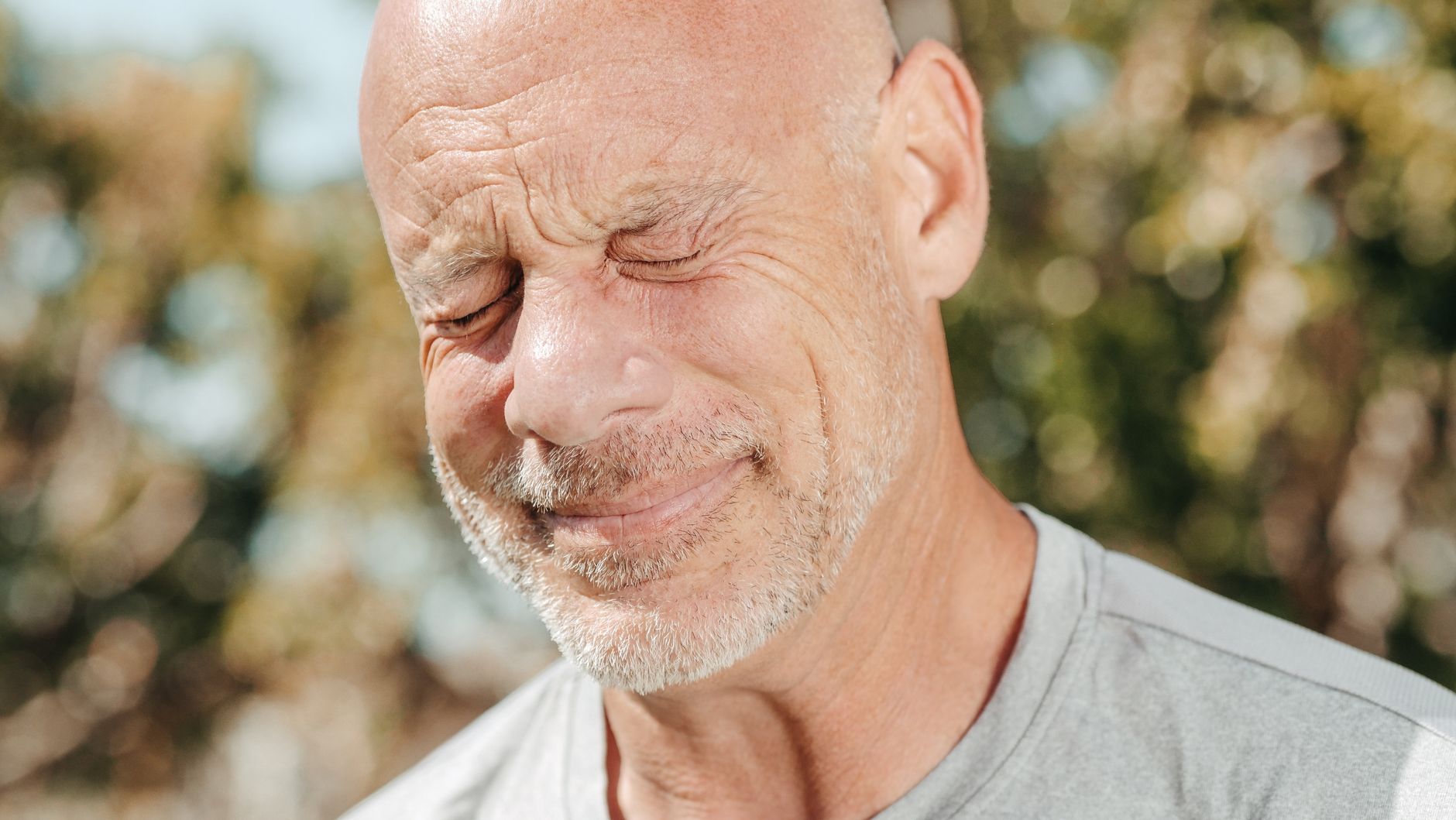
Brett Favre, the retired NFL quarterback, received a Parkinson's disease diagnosis in January 2024 and announced it publicly on September 24, 2024, during Congressional testimony. As of early 2026, his condition has progressed faster than he initially hoped, but he continues active treatment through exercise and clinical trials. Favre suspects head trauma—specifically the estimated 1,000+ concussions sustained over his 20-year NFL career—may have contributed to his diagnosis. However, causation remains unproven, and medical evidence documents only an association between football and Parkinson's risk, not definitive cause.
Medical information disclaimer: This article is for general educational purposes only and does not provide medical advice, diagnosis, or treatment. Always consult a physician or other qualified health professional about symptoms, medications, tests, or treatment decisions.
Table of Contents
- How His Symptoms Started and Evolved
- The Football-Parkinson's Link—What Research Actually Shows
- Why Causation Cannot Be Proven in Favre's Case
- His Current Treatment Approach
- Public Advocacy and What Two Former Teammates Signal
- Frequently Asked Questions
How His Symptoms Started and Evolved
Favre's first symptoms appeared around 2023, approximately one year before his diagnosis. His initial problem involved his right arm: stiffness that trapped his arm in place and difficulty pulling his arm through shirt sleeves. This presentation is typical of Parkinson's onset, where one side of the body often shows symptoms first. His Parkinson's is idiopathic, meaning no identified genetic cause has been found.
Rather than tremor (involuntary shaking), his primary symptoms involve stiffness and rigidity—muscle tightness that restricts movement. More recently, he has experienced difficulty swallowing, a symptom that typically emerges as the disease progresses. By January 2026, Favre stated his condition had "progressed a little faster" than hoped, but he emphasized that disease progression varies widely from person to person. He declared he has "absolutely not given up," indicating continued commitment to management despite faster-than-expected changes.
The Football-Parkinson's Link—What Research Actually Shows
Recent epidemiological research documents a statistical association between football and Parkinson's disease. A Boston University study found that organized football players carried a 61% greater risk of Parkinson's diagnosis compared to non-players. A 2026 study on soccer players found that cumulative head trauma significantly increased Parkinson's risk and lowered the age at which the disease appeared.
This research suggests repeated head impacts correlate with higher Parkinson's diagnosis rates in athlete populations. However, statistical association differs from proven causation—many athletes experience concussions without developing Parkinson's, and many people with Parkinson's have no history of head trauma. The biological mechanism by which repeated impacts might trigger the disease remains unclear.
Why Causation Cannot Be Proven in Favre's Case
While research links football to Parkinson's risk, causation has not been established; Parkinson's causes remain scientifically unknown, and Favre's specific case cannot be definitively attributed to head impacts. For readers interpreting his case, this distinction matters. First, research cannot identify which individuals exposed to head trauma will develop Parkinson's and which will not.
Second, absence of family history does not eliminate genetic factors—inheritance is complex and not fully understood. Third, even strong statistical associations in population studies cannot determine causation in a single person. Favre and his physicians investigated head trauma as a possible contributor because other common causes (family history, genetic mutations, environmental toxins) were not apparent. This investigation is reasonable given current research, but it remains investigation, not proof.
📨 Get Free Parkinson's Guides Alerts
Free · No spam · Unsubscribe anytime
His Current Treatment Approach
Favre's strategy involves daily exercise, aggressive pursuit of clinical trials, and optimism about a potential cure within 5–10 years. Daily exercise—particularly aerobic activity, strength training, and balance work—is supported by clinical evidence as one of the most effective tools for slowing symptom progression in Parkinson's.
His participation in clinical trials reflects the landscape of emerging Parkinson's research, where disease-modifying treatments and neuroprotective therapies are in active development. His five-to-ten-year timeline for a potential cure should be approached cautiously: clinical breakthroughs often require longer than anticipated to move from research to approved treatment, and cure remains a distant goal even as symptom management improves.
Public Advocacy and What Two Former Teammates Signal
In 2026, Favre has used his platform to raise awareness, particularly marking World Parkinson's Day, and expressed interest in sharing his experience with former teammate Ahman Green, who also received a Parkinson's diagnosis. The fact that two former teammates from overlapping playing eras both carry Parkinson's diagnoses adds anecdotal weight to the sports-concussion connection, though anecdotal cases cannot prove causation across a population. High-profile public engagement by affected individuals can accelerate research funding and reduce stigma around the disease, which benefits the broader Parkinson's community regardless of the specific cause in any single case.
Frequently Asked Questions
Does Brett Favre's case prove that football causes Parkinson's?
No. Research shows an association between repeated head impacts and Parkinson's risk in populations, but causation has not been established, and Favre's specific case cannot be definitively attributed to his football career.
What type of Parkinson's does Favre have?
Idiopathic Parkinson's disease, with no identified genetic cause. His primary symptoms are stiffness and rigidity rather than tremor, including recent difficulty swallowing.
What is his current treatment?
Daily exercise, clinical trial participation, and day-by-day management. He has expressed optimism about a potential cure within 5–10 years, though clinical timelines are uncertain.
If I had concussions, does that mean I'll develop Parkinson's?
No. Research shows football players have a 61% higher Parkinson's risk than non-players, but most people with concussions do not develop Parkinson's. Risk depends on many factors science has not fully identified.
You Might Also Like
- Parkinson’s Disease FAQ for September 2026: Source-Checked Answers to Common Questions
- Parkinson’s Disease 2026 Guide: safety, access, and evidence limits; Key Facts and Questions to Ask
- Parkinson’s Disease Explained for 2026: Who It Affects, Key Evidence, and What to Do Next