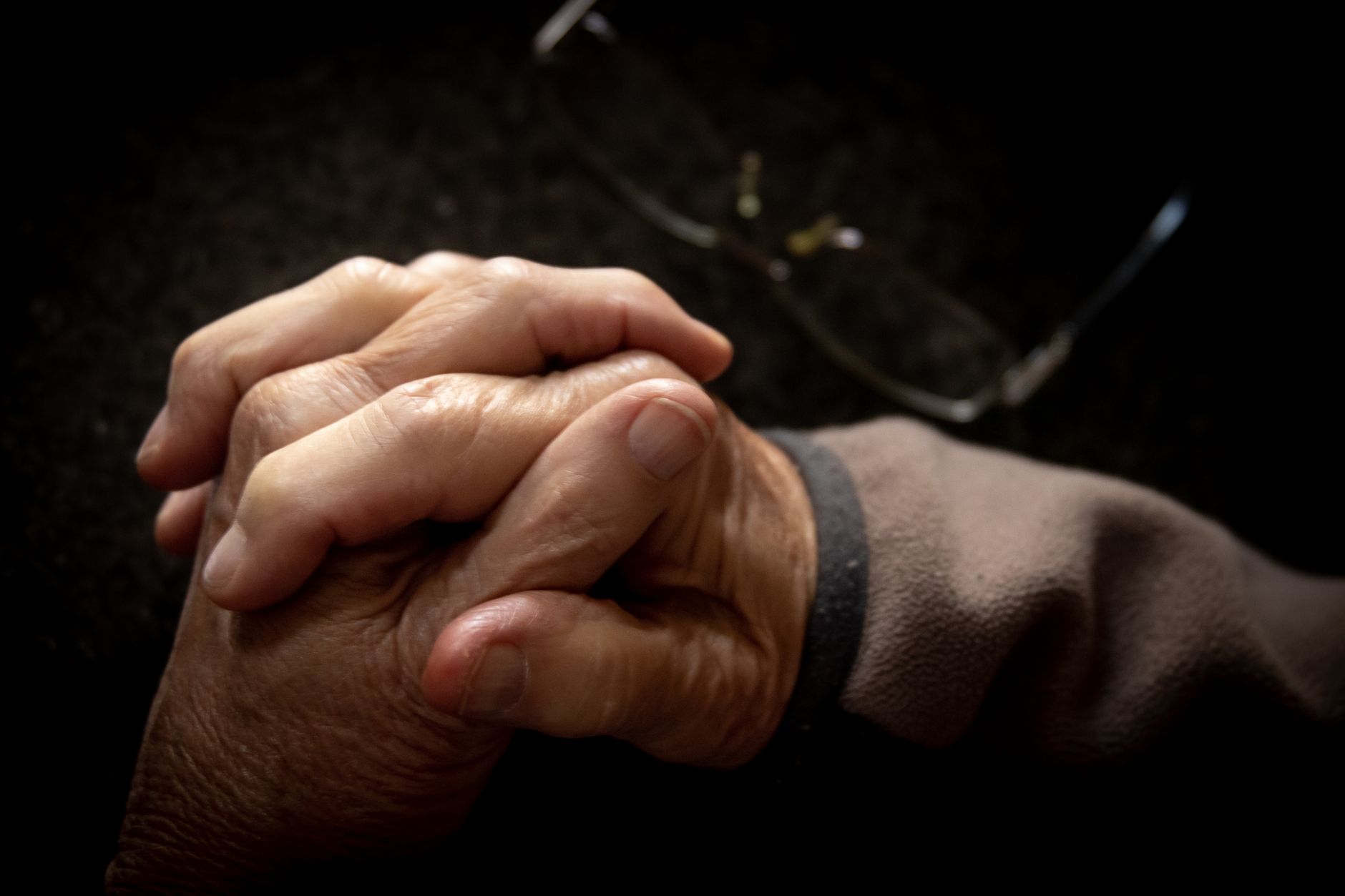
World Parkinson's Day takes place every 11 April to raise awareness and unite people affected by Parkinson's disease. It marks the birthday of James Parkinson, and Parkinson's Europe says it established the observance with the World Health Organization in 1997. The day matters because Parkinson's affects far more than movement, has no cure and creates growing demands on families and health systems. Useful awareness should lead to informed care, better support and action on unequal access to treatment.
Medical information disclaimer: This article is for general educational purposes only and does not provide medical advice, diagnosis, or treatment. Always consult a physician or other qualified health professional about symptoms, medications, tests, or treatment decisions.
Table of Contents
- What World Parkinson's Day represents
- What Parkinson's disease can affect
- What the future estimate does—and does not—show
- Where diagnosis and treatment reach their limits
- Turning awareness into practical action
What World Parkinson's Day represents
World Parkinson's Day gives people with Parkinson's, carers, families, clinicians and advocates a shared date for public attention. Its purpose is not to celebrate the condition, but to make its effects and the needs of affected communities more visible. According to Parkinson's Europe's history of the observance, 11 April was chosen because it is James Parkinson's birthday.
Parkinson's Europe and WHO founded the observance in 1997 to unite the Parkinson's community and raise awareness. Awareness can help people recognize that Parkinson's is complex and progressive. It can also focus attention on practical priorities: timely diagnosis, effective treatment, rehabilitation, caregiver support and wider access to services.
What Parkinson's disease can affect
Parkinson's is a progressive brain condition. Although movement problems are a central feature, the condition can also affect cognition, mental health, sleep and pain. It usually occurs in older adults, but younger people can develop it. It is also more common among men.
These patterns describe populations; they do not determine whether any individual has the condition. WHO estimated that more than 8.5 million people were living with Parkinson's in 2019. That year, it caused an estimated 5.8 million disability-adjusted life years—a measure combining early death and time lived with disability—and 329,000 deaths. Prevalence had doubled over the previous 25 years, according to the WHO Parkinson disease fact sheet.
📨 Get Free Parkinson's Guides Alerts
Free · No spam · Unsubscribe anytime
What the future estimate does—and does not—show
A 2025 modelling study projected that 25.2 million people could be living with Parkinson's worldwide by 2050. That would be 112% more than in 2021, with population ageing estimated as the largest driver of growth. This figure is a projection, not an observed future count.
A model estimates what may happen under stated assumptions; it cannot establish exactly how many people will develop Parkinson's decades from now. The projection still helps explain why planning cannot wait. More people living longer with Parkinson's would increase the need for diagnosis, ongoing treatment, rehabilitation and caregiver support. The study's figures and modelling approach are available through the BMJ study record on PubMed.
Where diagnosis and treatment reach their limits
Clinicians principally diagnose Parkinson's through a person's medical history and a neurological examination. Biomarker and imaging tests may support the assessment or help exclude other causes, but they cannot definitively distinguish Parkinson's from every similar disorder, according to the National Institute of Neurological Disorders and Stroke. That limitation matters when symptoms overlap with other conditions. A careful clinical assessment remains essential, and diagnostic uncertainty may require continued observation rather than a single decisive test. Parkinson's has no cure, but medicines, surgery and rehabilitation can reduce symptoms.
WHO identifies levodopa/carbidopa as the most effective medicine for improving symptoms, function and quality of life. Treatment choices still need to reflect the individual's symptoms and clinical assessment. Access is unequal. WHO reports that medicines and surgical resources are often unavailable or unaffordable in low- and middle-income countries. Family members and friends who provide care may also face substantial physical, emotional and financial pressure.
Turning awareness into practical action
WHO's 2022–2031 neurological action plan calls for stronger governance, timely diagnosis and care, prevention, research and better information systems. Its implementation toolkit places affected people, carers and families at the center of national action. Readers can translate those priorities into concrete steps:.
- Record changes in movement, sleep, mood, thinking or pain before a clinical appointment.
- Bring an updated medication list and note how symptoms change during the day.
- Ask what rehabilitation may help with movement, communication or daily activities.
- Include carers in care planning when the person with Parkinson's agrees.
- Identify the physical, emotional or financial strain on carers instead of treating it as separate from care.
You Might Also Like
- Parkinson’s Disease Explained for 2026: Who It Affects, Key Evidence, and What to Do Next
- Ozzy Osbourne Parkinson’s Guide 2026: Evidence, Options, and Safety
- How to Verify Parkinson’s Disease Claims in 2026: NIH, FDA, and trial records, Evidence, and Red Flags