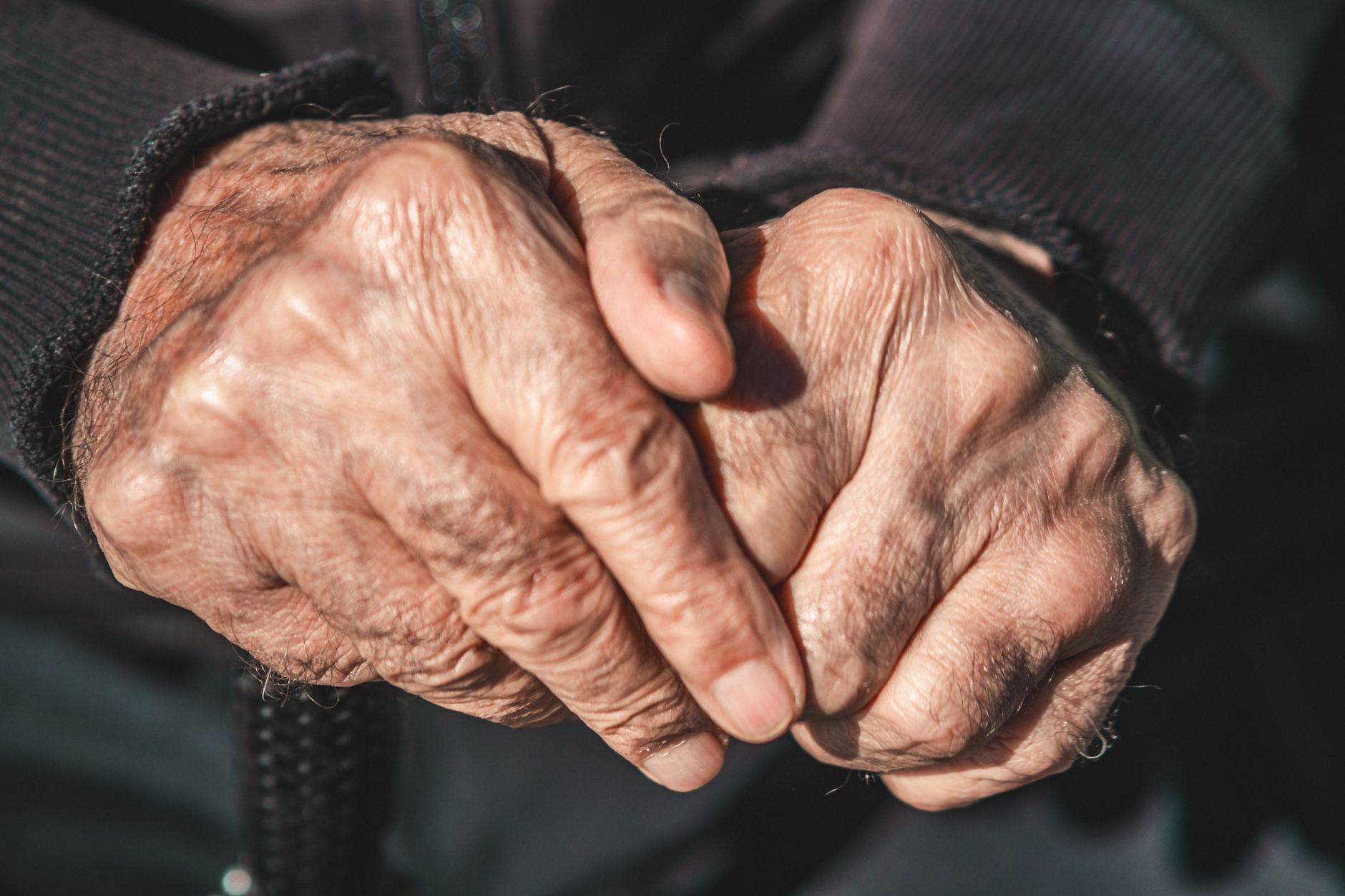
The Davis Phinney Foundation's 2026 updates show mixed exercise best supports quality of life with Parkinson's, while early depression signals, nerve stimulation, and new drugs raise practical choices and open questions. Parkinson's disease damages brain cells that control movement, causing tremor, stiffness, and slow motion plus mood and thinking changes. The Davis Phinney Foundation is a nonprofit focused on living well with Parkinson's. Its 2026 roundups translate new trials and treatment reviews into steps for patients, families, and care partners.
Medical information disclaimer: This article is for general educational purposes only and does not provide medical advice, diagnosis, or treatment. Always consult a physician or other qualified health professional about symptoms, medications, tests, or treatment decisions.
Table of Contents
- Which exercise best supports daily life?
- Why does mood matter years before diagnosis?
- Does home neck stimulation help walking and thinking?
- What is next for early Parkinson's drugs?
- What helps motor fluctuations in advanced disease?
Which exercise best supports daily life?
An analysis of 44 trials found mind-body exercise had the highest chance of best improving quality of life, followed by combined aerobic plus resistance training, according to the Davis Phinney Foundation in its February 2026 research roundup. Mind-body exercise means tai chi, yoga, or qigong with breath control, balance, and focused attention. Foundation exercise experts Jay Alberts and Daniel Corcos advised in 2026 that no single best exercise exists for Parkinson's.
They recommend a mixed program that includes aerobic activity, as described in the Foundation's exercise questions answered summary. Foundation guidance links 150 or more minutes per week to better mobility, daily function, and cognition in over 2,000 people. Build a week you can repeat: Start low, track minutes, and ask your clinician before raising intensity.
- add brisk walking, cycling, or swimming for aerobic work
- add light weights or bands for strength twice weekly
- add tai chi or yoga for balance and flexibility
Why does mood matter years before diagnosis?
The same Foundation roundup reported a study of more than 17,000 people with Parkinson's or Lewy body dementia. Depression rates rose years before diagnosis and peaked about three years before motor symptoms appeared. That pattern matters for families and primary-care clinicians. Long-lasting low mood, loss of interest, sleep change, and withdrawal deserve prompt medical review.
Early treatment can protect relationships, work, and safety while doctors watch for other causes. Tracking helps. Note start dates, severity, medication changes, and effects on daily tasks. Bring that record to visits and ask about counseling, exercise, and medication options.
Does home neck stimulation help walking and thinking?
The Foundation's Emerging Therapies summary described a 12-week trial of home-based neck vagus-nerve stimulation in 33 people. The vagus nerve carries signals between brain and body, and the device stimulates it through the skin of the neck. The approach was feasible, safe, and well tolerated with high retention. Effects on gait and cognition were minimal.
📨 Get Free Parkinson's Guides Alerts
Free · No spam · Unsubscribe anytime
That result does not support home use for walking or thinking problems now. The value is practical for research planning. Safe home delivery allows larger and longer trials. Patients interested in neuromodulation can ask movement centers about enrolled studies and required time, travel, and follow-up.
What is next for early Parkinson's drugs?
BioVie announced January 8, 2026 that it completed enrollment of 60 early Parkinson's patients who had not taken carbidopa/levodopa in its Phase 2 SUNRISE-PD trial of bezisterim, as stated in the company's enrollment announcement. Top-line safety, motor, and non-motor results were expected in the first half of 2026. Separately, the Institute for Clinical and Economic Review posted a revised Evidence Report September 16, 2026 on tavapadon, according to the Institute's revised evidence report notice. The report found the drug comparable to current treatments but not cost-effective versus key alternatives, with moderate certainty of small-to-substantial benefit in untreated early disease.
Reviews in 2026 also flagged that Black patients were underrepresented across the three pivotal TEMPO trials. That gap leaves uncertainty about effects across racial groups. The drug was not FDA-approved and had no announced U.S. price.
What helps motor fluctuations in advanced disease?
AbbVie's Vyalev is a 24-hour continuous infusion under the skin that delivers foscarbidopa/foslevodopa for motor fluctuations. It received approval October 17, 2024 as the first all-day option in this form. A Phase 3 post-hoc analysis presented at the April 2026 neurology meeting showed reduced troublesome dyskinesia. Dyskinesia means involuntary twisting or writhing movements from long-term levodopa use.
Less troublesome dyskinesia can mean steadier all-day movement. Continuous dosing allows more personal adjustments than fixed pill times. It requires wearing a pump, managing skin sites, and caregiver support. Ask your movement specialist whether the infusion fits your fluctuation pattern, other conditions, and daily support.
You Might Also Like
- Brett Favre Parkinson’s Update 2026: Evidence and Open Questions
- Swallowing Problems Parkinson’s Update 2026: Evidence and Open Questions
- Protein and Levodopa Update 2026: Evidence and Open Questions