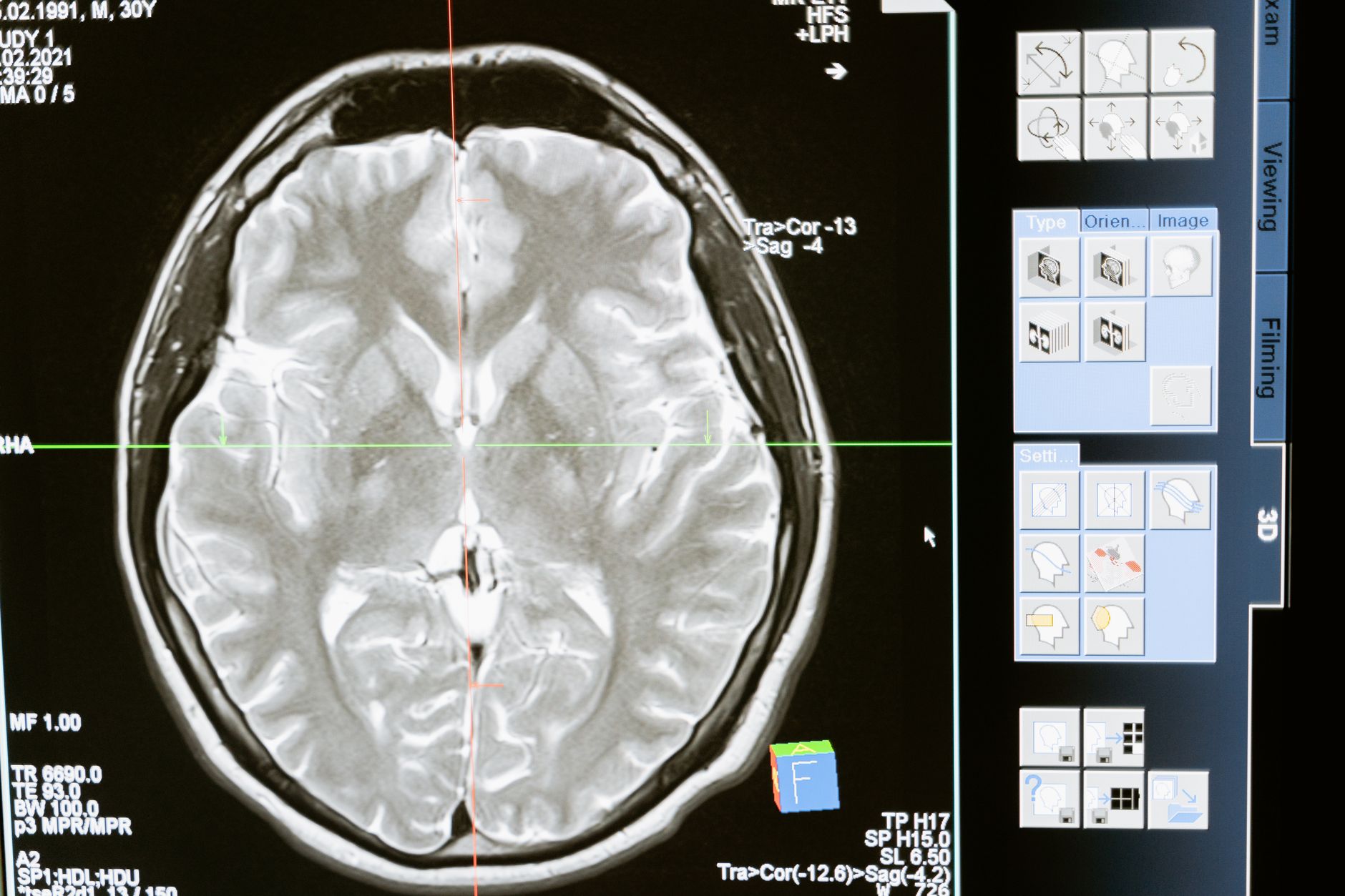
Brain activity in the subthalamic nucleus shifted before measurable movement or motivation problems appeared. The new macaque study points to staged electrical changes that could become early markers of Parkinson's progression. The subthalamic nucleus is a small control hub for movement and motivation, and a target for deep brain stimulation. Researchers tracked progressive parkinsonism in macaques and found nucleus activity changes preceded behavioral changes, according to Nature's npj Parkinson's Disease in the 2026 study report.
Medical information disclaimer: This article is for general educational purposes only and does not provide medical advice, diagnosis, or treatment. Always consult a physician or other qualified health professional about symptoms, medications, tests, or treatment decisions.
Table of Contents
- Which brain signals changed first?
- Why do motor symptoms show up late?
- Why did stimulation location matter?
- What can patients and caregivers do now?
Which brain signals changed first?
Reward-related theta activity faded first. Decision-related theta oscillations were lost next. Movement-related beta rebound fell later, near visible motor decline.
The same Nature journal report describes that order as early, middle, and late electrical stages in the 2026 study report. That sequence matters because motivation and choice can slip before tremor, stiffness, or slowness dominate. A caregiver may notice less initiative, slower decisions, or weaker response to pleasant events first.
Why do motor symptoms show up late?
Most people have already lost an estimated 60-80% of dopamine-producing cells in the substantia nigra by diagnosis. That large reserve loss explains why tremor, rigidity, and bradykinesia appear after major brain change. The circuit helps explain stiffness and slowness.
In MPTP-induced parkinsonism, lost nigral dopamine increases excitatory subthalamic drive to the globus pallidus internus, which suppresses thalamocortical activity, according to the PNAS review of monkey models and deep brain stimulation in the PNAS model review. Think of it as an overactive brake signal. The cortex receives less go-ahead, so movement becomes slow, stiff, and effortful.
📨 Get Free Parkinson's Guides Alerts
Free · No spam · Unsubscribe anytime
Why did stimulation location matter?
In stable parkinsonism, dorsal high-frequency stimulation improved motor performance. Ventral low-frequency stimulation relieved motivational deficits instead. That split shows territory-specific effects within one small nucleus.
The upper zone leaned motor, while the lower zone leaned motivational. For families, the lesson is practical. Report motor and motivational symptoms separately, because they may involve different circuits and respond to different settings.
What can patients and caregivers do now?
Parkinson's affects over 1 million Americans and 10 million people worldwide, so early signals matter for detection and trial enrollment. Long before motor onset, reported premotor features include loss of smell and taste, constipation, dream-enacting behavior, and daytime sleepiness. These signs do not prove Parkinson's alone.
A dated symptom note helps a clinician see pattern and timing. The staged theta and beta signatures are candidates, not clinic tests. The finding comes from a small-sample invasive macaque MPTP lesion model rather than sporadic human disease, so human validation is required, according to the Bioengineer.org summary in the study summary.
- Log smell or taste change, constipation, vivid dream enactment, and daytime sleepiness with dates
- Note reduced initiative, slower choices, and less pleasure from rewards
- Record tremor, stiffness, slowness, and medication response separately
- Bring the log, sleep history, and medication list to each visit
You Might Also Like
- Parkinson’s Dental Visits: What to Tell the Dentist Before an Appointment
- How to Explain Parkinson’s Cognitive Changes to a New Respite Carer
- Parkinson’s Clinical Trial Listings: Read Phase, Location, and Eligibility