Parkinson's caregiving goes beyond medication schedules by protecting exact dose timing and actively preserving daily conversation. Good care pairs on-time Parkinson's drugs and avoidance of symptom-worsening medicines with habits and therapy that keep voice and connection stronger.
Hypophonia means unusually soft voice that may fade during a sentence. In Parkinson's, softer voice, slurred or rushed speech, flat pitch and breathing changes can make talking tiring for both people. Small adjustments to setting, listening and treatment timing can lower that strain.
Medical information disclaimer: This article is for general educational purposes only and does not provide medical advice, diagnosis, or treatment. Always consult a physician or other qualified health professional about symptoms, medications, tests, or treatment decisions.
Table of Contents
- Get medications right first
- Why does conversation become exhausting?
- What daily habits keep talking easier?
- When should speech therapy enter the plan?
- How do you stay connected through mood and thinking changes?
Get medications right first
Caregiving starts with levodopa and other Parkinson's drugs taken on time every time. The Parkinson's Foundation notes in its hospital safety sheet that caregivers should also avoid drugs that worsen symptoms, such as haloperidol and metoclopramide. Keep an updated list with drug names, doses and times for appointments, pharmacy refills and hospital visits.
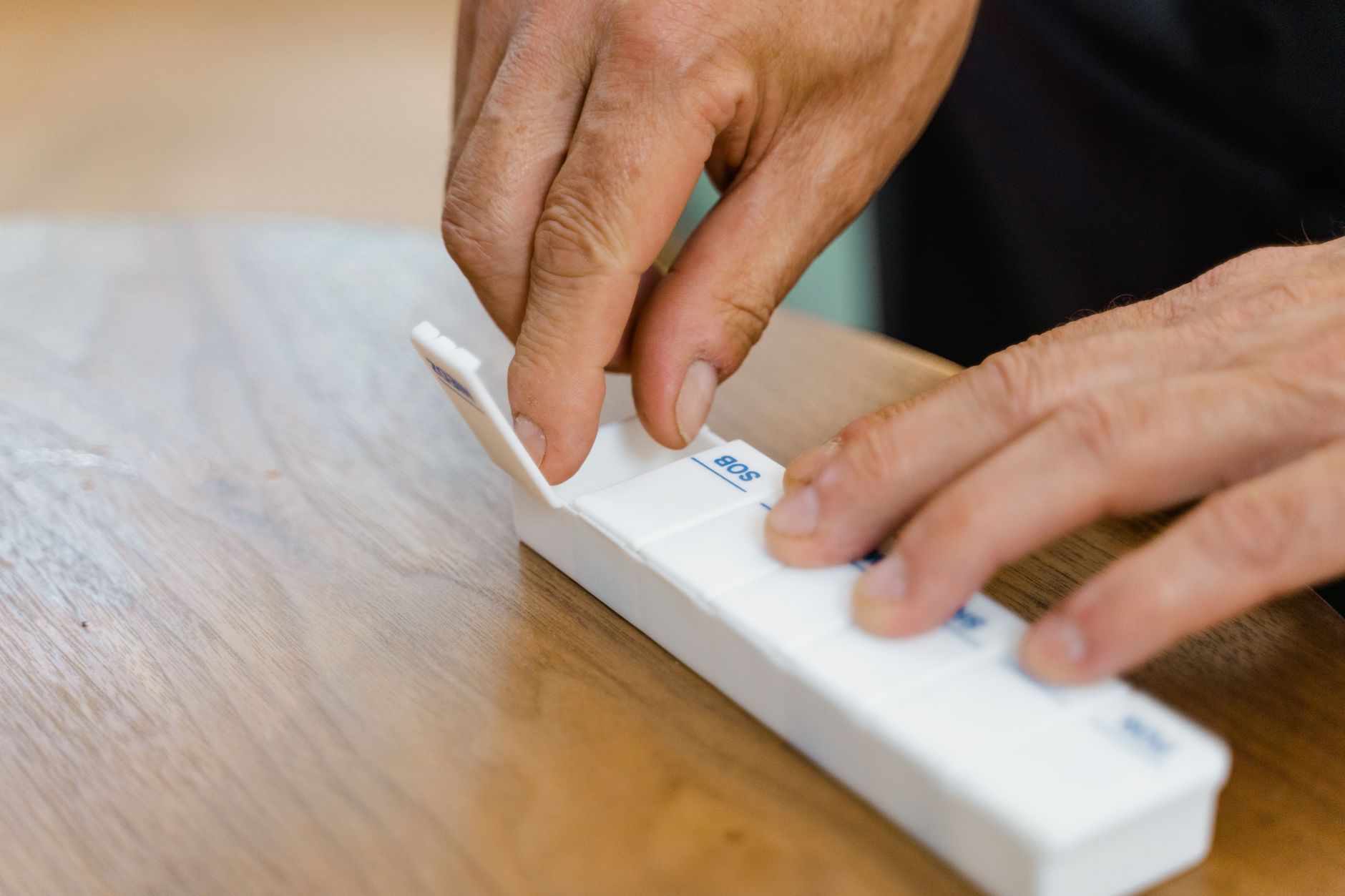
Use a routine that survives busy days. Set alarms, use a pill organizer and plan doses around meals as directed. If speech is worse before the next dose, note the time pattern for the care team instead of raising the voice to compensate.
Why does conversation become exhausting?
The Davis Phinney Foundation describes softer or fading voice, slurred or rapid speech, flat pitch and trouble coordinating breathing in Parkinson's. The speaker may run out of air mid-sentence. The listener may strain, guess or interrupt, which adds fatigue on both sides.
Mood symptoms can look like disinterest but have a different cause. The Parkinson's Foundation tip sheet on communication challenges explains that apathy, depression and anxiety can reduce initiation, responsiveness and emotional expression. Treat withdrawal as a possible symptom to address, not as rejection.
📨 Get Free Parkinson's Guides Alerts
Free · No spam · Unsubscribe anytime
What daily habits keep talking easier?
Face the person, reduce background noise and allow extra time for a reply. The Michael J. Fox Foundation advises in its communication tips that care partners use short sentences and open-ended questions and confirm understanding through active listening.
These steps lower effort without rushing the speaker. Save complex topics for peak energy, often after medication takes effect and rest. If fatigue rises, switch to shorter exchanges and return later. Praise clear effort, not volume alone, to keep practice positive.
- Face each other at eye level in good light.
- Turn off television, music and running water before important talk.
- Ask one idea at a time, then pause and listen fully.
- Repeat back what you heard and check meaning.
When should speech therapy enter the plan?
Ask about speech-language therapy soon after diagnosis. The Davis Phinney Foundation reports in its speech and voice podcast that early therapy can help keep voice stronger longer and also addresses swallowing difficulty and cognition as it relates to language. Early referral builds skills before speech loss limits social life.
In the 388-person PD COMM trial, intensive LSVT LOUD with four 50-minute sessions weekly for four weeks plus home practice reduced reported voice problems at three months more than standard NHS therapy or no therapy, according to the BMJ trial team in its trial report. The same program needs access, effort and ongoing practice. Usual NHS speech therapy showed no evidence of beating no therapy, and intensive voice work can cause vocal strain.
How do you stay connected through mood and thinking changes?
Keep shared time that is not a task. The Parkinson's Foundation caregiving guidance encourages open communication, time together apart from care duties, calm responses, validation of emotions and gentle redirection during confusion or psychosis. Avoid arguments about mistaken beliefs.
Stay calm, acknowledge the feeling and redirect to a familiar activity. Watch for apathy that stalls conversation. Offer two clear choices, start with a brief walk or music and invite rather than demand participation. If depression, anxiety, hallucinations or sudden confusion persist, report timing, triggers and medication changes promptly to the care team.
You Might Also Like
- Parkinson’s Caregiving When Hallucinations Become a Family Secret
- Parkinson’s Caregiving From a Distance: Which Updates Are Most Useful to Share?
- When a Parkinson’s Care Partner Needs to Repeat Instructions Without Raising Their Voice