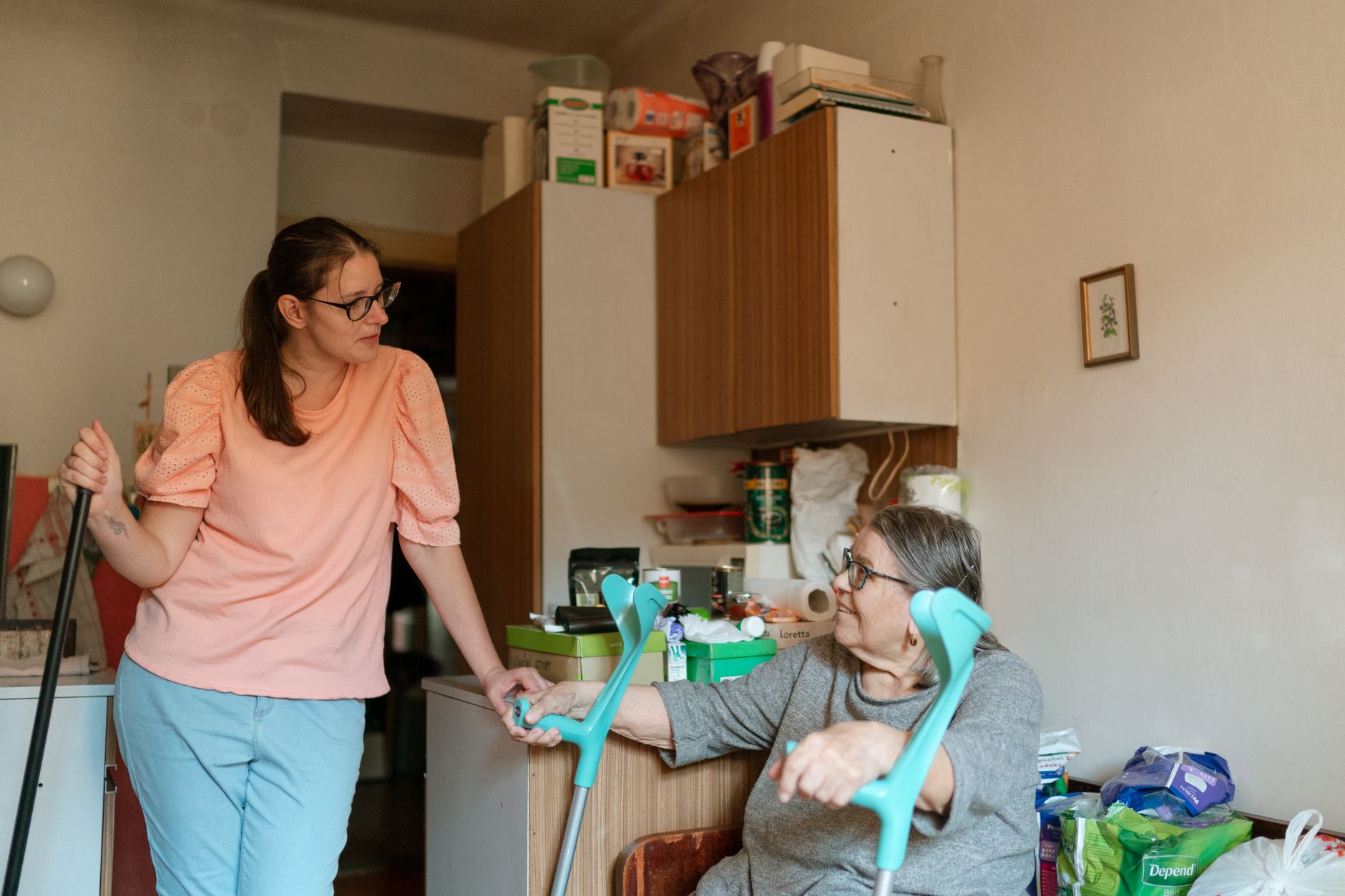
Caregiver support for Parkinson's disease, a brain disorder that impairs movement and daily tasks, means organized help for family members giving daily care. In 2026, it affects mainly family and unpaid caregivers, and evidence points to counseling, respite care, and team-based palliative care. The Parkinson's Foundation reports nearly 1 million Americans and over 11 million people worldwide live with Parkinson's statistics page. Family members therefore carry most daily care, from medications and mobility help to meals and appointments.
Medical information disclaimer: This article is for general educational purposes only and does not provide medical advice, diagnosis, or treatment. Always consult a physician or other qualified health professional about symptoms, medications, tests, or treatment decisions.
Table of Contents
- Who Gives Most Parkinson's Care?
- How Does Caregiving Affect Health?
- Which Care Model Helps Both Sides?
- Where Does Evidence Fall Short?
- What To Do Next?
Who Gives Most Parkinson's Care?
National surveys in 2015 and 2020 found about 2% of U.S. family caregivers supported someone with Parkinson's. Within 48 to 63 million caregivers, that share is a large minority, according to a 2025 Healthcare analysis of NAC and AARP data.
The average Parkinson's caregiver provides over 30 hours per week of unpaid care. That finding comes from a February 2025 report from the National Alliance for Caregiving with the Michael J. Fox Foundation and Arcadia University caregiver strain report. Care often means managing medications, walking and fall risk, meals, and clinic visits.
How Does Caregiving Affect Health?
A 2023 review summarized by Healthline found Parkinson's caregivers face higher rates of anxiety and depression than the general population. Burden rose with longer weekly care hours, and female caregivers faced higher risk.
A one-year study of patient-caregiver pairs found depression severity worsened in both groups. Their scores were significantly correlated, showing mood in one partner tracks mood in the other, according to a June 2025 longitudinal study in PubMed. Daily strain, sleep loss, and worry about decline affect both sides.
📨 Get Free Parkinson's Guides Alerts
Free · No spam · Unsubscribe anytime
Which Care Model Helps Both Sides?
A randomized trial of multidisciplinary integrated outpatient palliative care improved patient quality of life and reduced symptom burden. It also reduced caregiver distress and increased advance-directive completion, according to the JAMA Neurology trial summarized in a February 2021 PMC review trial summary.
The approach treats patient and caregiver as a unit. Symptom control, planning for future care needs, and direct support for distress lower pressure at home and clarify next decisions.
Where Does Evidence Fall Short?
A January 2025 scoping review in PubMed found poor racial and gender diversity in caregiver studies. It also found incomplete data on caregiver strain and health.
That gap matters for families whose background, income, work schedule, or support network differs from study samples. Results describe average risk well, but they may not predict any single household.
What To Do Next?
The practical next step is to seek counseling, respite care, support groups, and coaching. For veteran families, the VA Minneapolis Parkinson's program offers caregiver coaching and virtual groups for eligible families VA Parkinson's program page.
- Ask your clinic about counseling and respite care options
- Join a Parkinson's caregiver support group in person or online
- Seek coaching on medications, mobility, and daily planning
- Call the Parkinson's Foundation Helpline at 1-800-473-4636 for referrals
You Might Also Like
- Financial and Legal Help for Parkinson’s Disease Explained for 2026: Who It Affects, Key Evidence, and What to Do Next
- How to Verify Caregiver Support for Parkinson’s Disease Claims in 2026: NIH, FDA, and trial records, Evidence, and Red Flags
- Caregiver Support for Parkinson’s Disease FAQ for October 2026: Source-Checked Answers to Common Questions