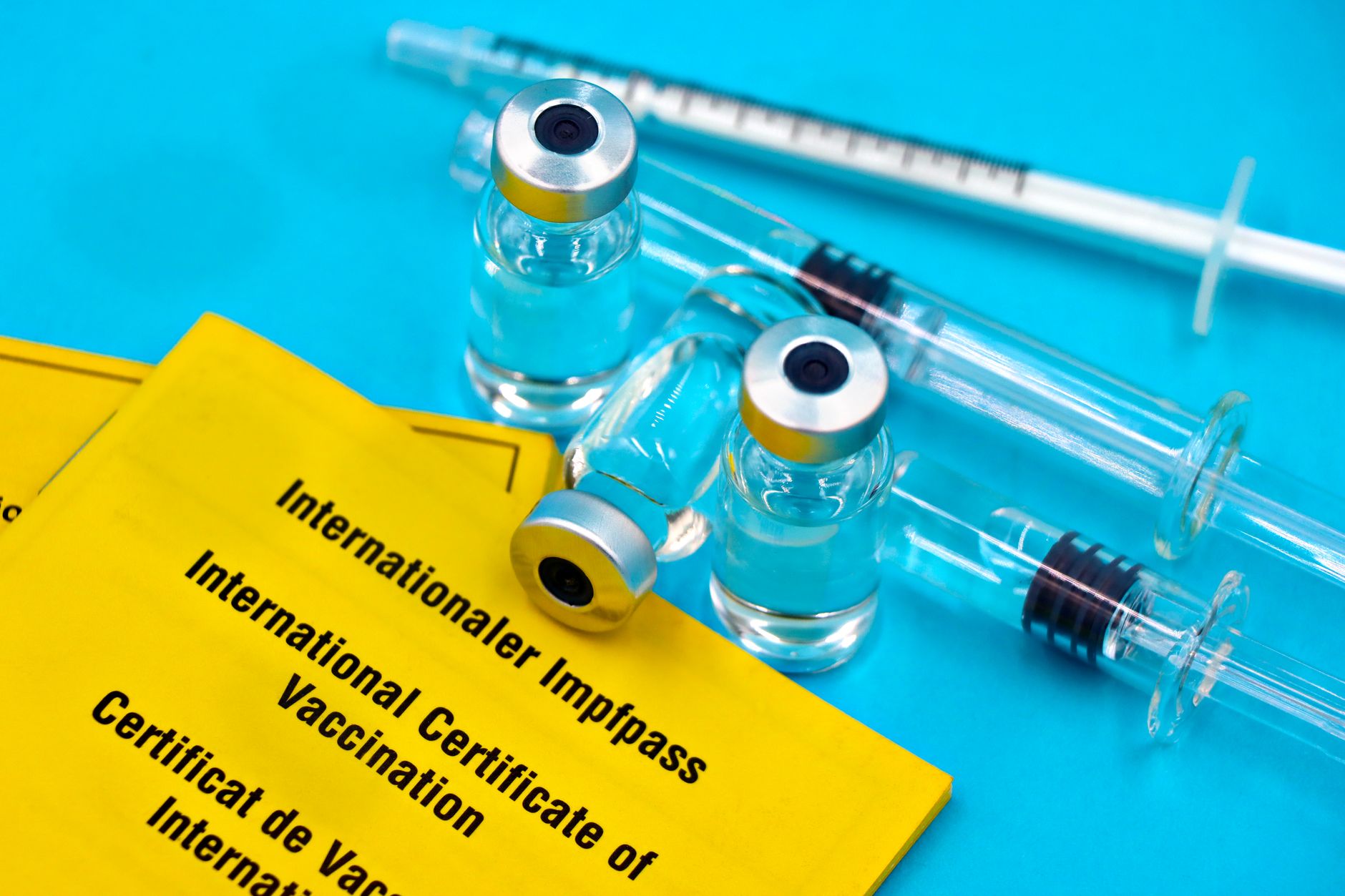
People assigned to a placebo group in a Parkinson's trial still take their regular Parkinson's medicines and receive normal medical care. Placebo, an inactive form of the study drug with no active treatment effect, replaces only the experimental drug being tested.
For families weighing a trial, this distinction matters. A placebo period adds extra visits and monitoring on top of usual care. Knowing what stays in place helps patients and caregivers plan.
Medical information disclaimer: This article is for general educational purposes only and does not provide medical advice, diagnosis, or treatment. Always consult a physician or other qualified health professional about symptoms, medications, tests, or treatment decisions.
Official resources:
- Read the official guidance from Yale — Use this primary source to verify the official guidance.
- Apply through Canada’s official page — Use this page to review requirements and apply directly.
Table of Contents
- Do You Stop Your Parkinson's Drugs?
- What Checkups Continue on Placebo?
- What Rules Limit Placebo Use?
- What Should You Ask Before Joining?
Do You Stop Your Parkinson's Drugs?
You usually do not stop Parkinson's drugs to join a placebo group. According to Health Canada's ICH E10 guidance, many placebo-controlled trials use add-on designs Health Canada guidance on control groups. Every participant receives a set standard therapy or doctor-chosen standard therapy, plus study drug or placebo. Cerevance reported its Phase 3 ARISE trial enrolled 341 participants with motor fluctuations Cerevance Phase 3 results announcement.
They received solengepras 75 mg, 150 mg or placebo for 12 weeks while all continued usual Parkinson's treatments, and 311 completed the trial. In practice, the study drug or placebo is added to daily care. Use your regular schedule for levodopa and other prescribed drugs unless the trial and personal doctors agree on a change. Bring a current medication list to every visit.
What Checkups Continue on Placebo?
Trial teams watch placebo and active-drug groups closely. The Michael J. Fox Foundation reported a 75-person Phase IIa nilotinib trial in moderate to advanced Parkinson's. Volunteers took 150 mg, 300 mg or placebo for six months with close monitoring during dosing and for eight weeks after stopping.
📨 Get Free Parkinson's Guides Alerts
Free · No spam · Unsubscribe anytime
Yale School of Medicine reported a prevention trial for at-risk REM-sleep-behavior-disorder volunteers Yale School of Medicine trial description. They receive adalimumab or placebo injections every two weeks for two years, with about nine visits for movement, cognition, blood immune-cell and Parkinson's-protein testing. Trial care does not replace your own neurologist. Parkinson's UK reported the GDNF trial placebo group's off-medication movement scores improved about 12% after nine months, showing strong placebo effects. Parkinson's UK notes that patients are generally expected to keep their regular neurologist for standard care alongside trial monitoring.
What Rules Limit Placebo Use?
Ethics rules limit when placebo may be used. The World Medical Association's 2024 revision of the Declaration of Helsinki requires testing against best proven intervention(s) 2024 revision of the Declaration of Helsinki.
It permits placebo only where none exists or for compelling methodological reasons without added serious or irreversible harm. Health Canada guidance states placebo or no-treatment control does not mean no treatment. The same guidance gives examples where both arms receive needed palliative treatment such as analgesics and best supportive care.
What Should You Ask Before Joining?
Review the consent form with your care partner before you sign. The National Comprehensive Cancer Network notes trial participants sign informed consent explaining the study and may leave at any time to seek outside treatment. Placebo assignment never removes the right to withdraw and resume usual care.
Bring your medication list, symptom diary, and caregiver to the screening visit. Ask who to call day or night for falls, freezing, hallucinations, or medication problems. Keep your outside neurology appointments during the trial unless both teams agree to change them.
- Will I stay on current Parkinson's drugs, and what dose changes are allowed?
- How many visits, how long, and what movement, thinking, and blood tests occur?
- Can I keep seeing my regular neurologist, and who handles urgent symptoms?
- How do I withdraw if I feel worse, and what follow-up continues after stopping?
You Might Also Like
- Parkinson’s Risk From Living Near Farms: How Studies Account for Other Exposures
- Parkinson’s Pesticide Studies: How Researchers Estimate Exposure Decades Later
- Parkinson’s Environmental Research: Why Exposure Timing May Matter as Much as Amount