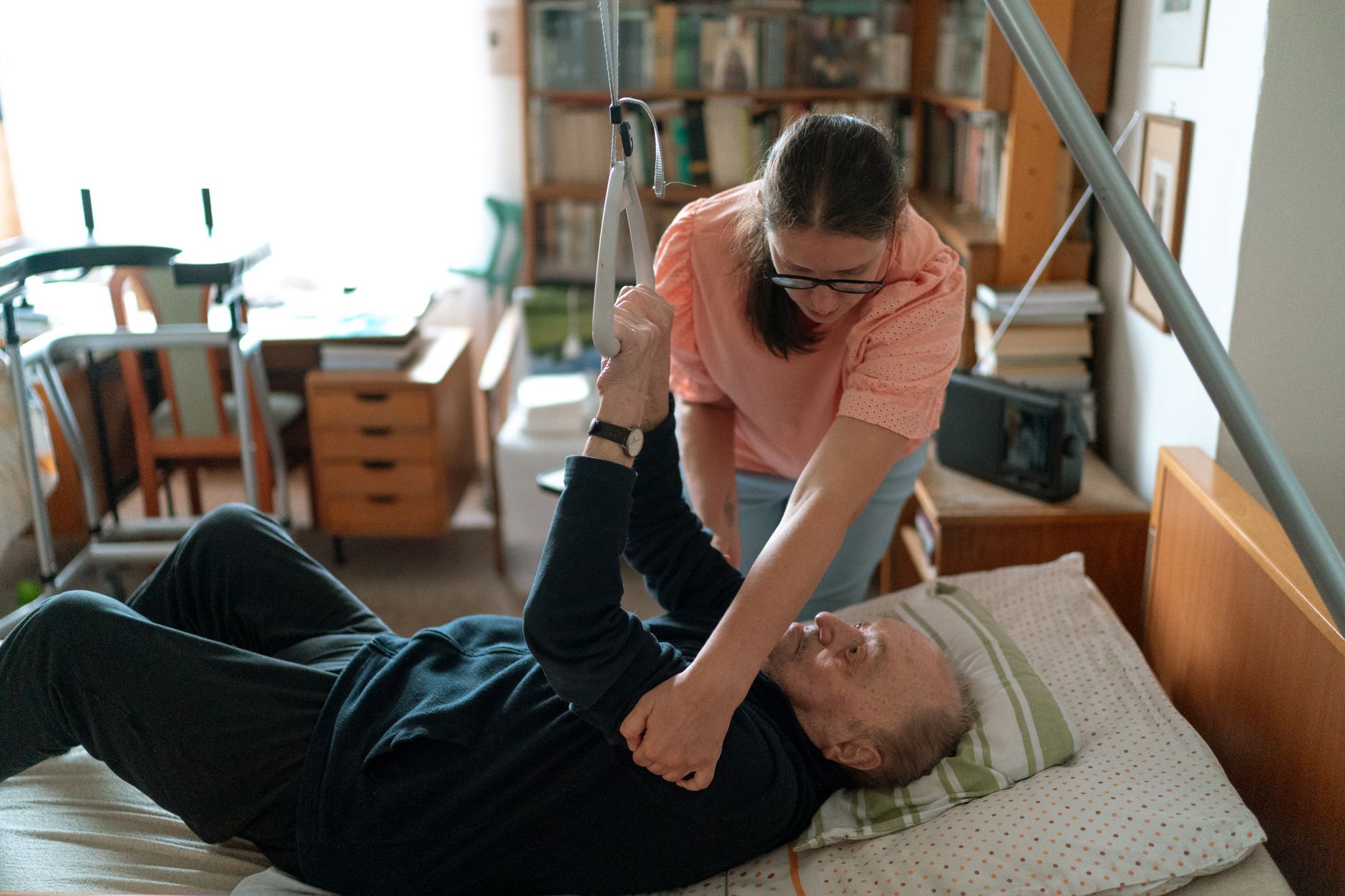
Caregiver communication during OFF time means using shorter, calmer exchanges while Parkinson's symptoms temporarily return. It gives the person more time to speak, listen, and swallow safely until medication starts working again. Parkinson Europe describes OFF time in its wearing-off guide as periods when levodopa's benefit wears off.
Symptoms then re-emerge, alternating with ON time when medication controls symptoms. Speech and facial cues often fade during OFF periods, so caregivers can misread needs. This article shows what to watch for, how to adjust each conversation, and how to record episodes for care decisions.
Medical information disclaimer: This article is for general educational purposes only and does not provide medical advice, diagnosis, or treatment. Always consult a physician or other qualified health professional about symptoms, medications, tests, or treatment decisions.
Table of Contents
- What speech and swallowing changes appear?
- Why is the message easy to miss?
- How can you keep each exchange clear?
- When does speech therapy help?
- How can you record OFF time for the visit?
What speech and swallowing changes appear?
Speech often becomes softer, slurred or mumbled, with trailing off at ends of sentences. Tone may turn monotone or breathy-hoarse. Pace may slow, or shift into rapid, cluttered bursts called festinating speech. The speech-therapy practice Get Loud Stay Loud details these patterns in its guide to managing OFF periods.
Swallowing coordination can also worsen during OFF periods. The person may drool, chew with effort, or tire quickly. Choking and aspiration risk rises. The same practice advises small sips while upright and softer foods during these windows.
Why is the message easy to miss?
Parkinson's commonly causes a quiet, hypophonic voice and flat, monotone delivery. Reduced facial expression removes nods, smiles, and signs of confusion. A caregiver may think the person is disengaged or agrees.
Word-finding difficulty linked to cognitive change adds pauses and unfinished thoughts. The Michael J. Fox Foundation lists these voice, facial, and language changes as key barriers to caregiver communication. Do not rush to fill the pause or answer for the person.
📨 Get Free Parkinson's Guides Alerts
Free · No spam · Unsubscribe anytime
How can you keep each exchange clear?
Small setup steps reduce missed messages during OFF time. The Stanford Parkinson's Community Blog, summarizing a speech-language pathologist webinar, recommends these habits in its communication strategies notes.
Stay at eye level and use short phrases with one idea at a time. Confirm what you heard and watch for gestures that add meaning.
- Reduce background noise before you start talking.
- Use good lighting and maintain eye contact.
- Get attention before speaking, then pause between phrases.
- Allow extra time for a response without repeating quickly.
When does speech therapy help?
If soft speech persists between OFF periods, ask about speech therapy. The Michael J. Fox Foundation states in its speech and swallowing resource that therapy rather than medication adjustment is usually the main speech treatment.
Programs include LSVT LOUD and Parkinson Voice Project SPEAK OUT!. Amplifiers and prompting devices can support louder, clearer speech. Bring examples of OFF-time speech changes to the referral visit.
How can you record OFF time for the visit?
Movement-disorder physicians in a NeurologyLive peer-exchange panel say caregivers are critical for spotting OFF episodes. Patients feel symptoms but often cannot observe them. The physicians recommend shared symptom diaries or checklists of motor and non-motor signs.
A 2019 Frontiers in Neurology study found patients often did not report OFF periods. They saw them as inevitable, noticed varied symptoms, or found symptoms hard to describe. Caregiver notes and a prepared visit agenda helped discussion, so bring the diary and a short agenda to each visit.
You Might Also Like
- How Parkinson’s Caregivers Can Avoid Burnout During OFF Periods
- How to Find a Local Parkinson’s Caregiver Support Group Near You
- What Does a Neurologist Want Caregivers to Track Between Visits?