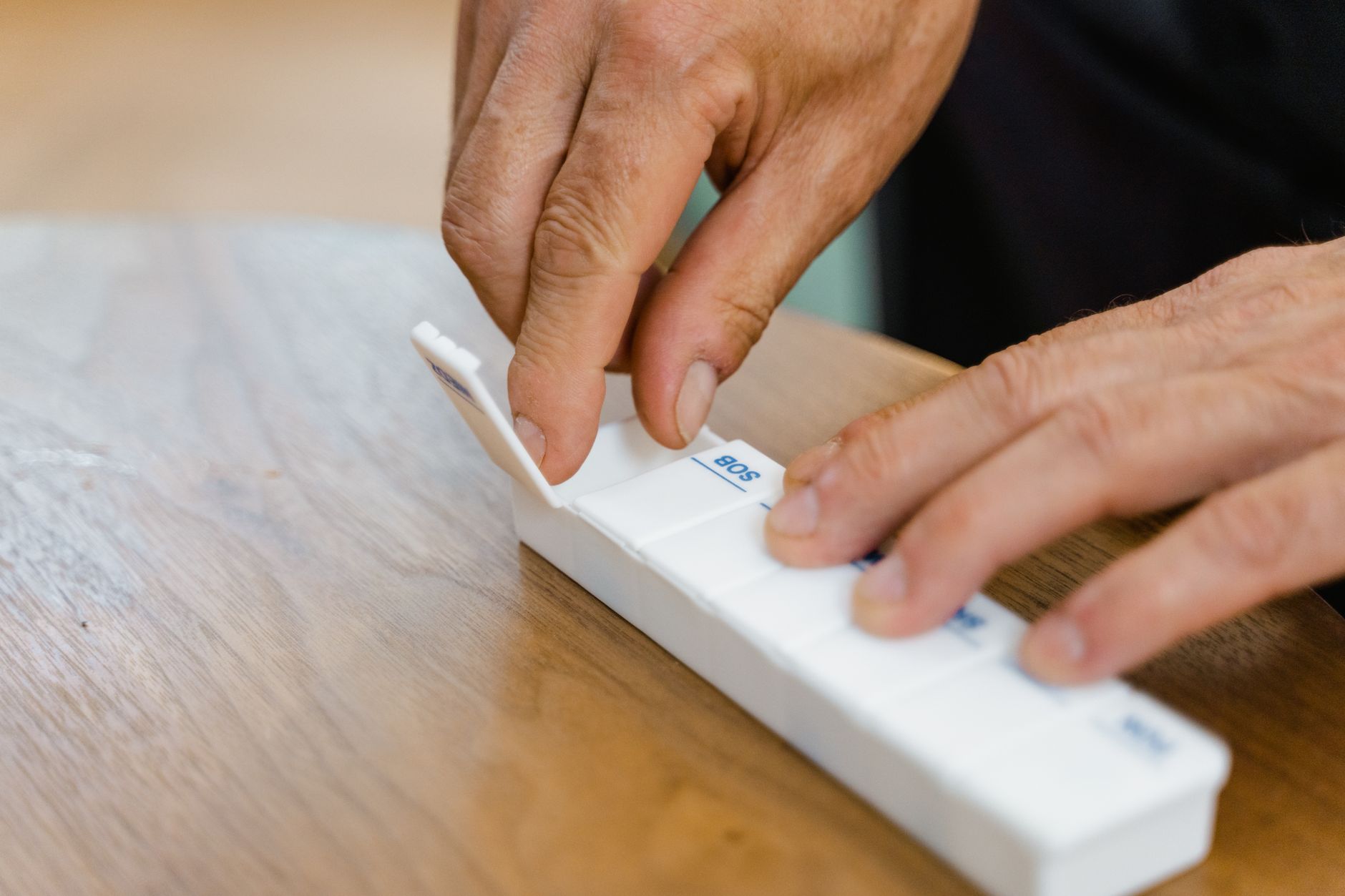
Stay home when care is safe, steady, and manageable day and night. Choose assisted living when falls, freezing, confusion, or caregiver strain make home care unsafe or overwhelming. Assisted living means a residential setting that provides meals, personal care, and supervision while residents keep as much independence as possible. This guide compares safety, daily support, medications, and costs so you can match the setting to current needs.
Medical information disclaimer: This article is for general educational purposes only and does not provide medical advice, diagnosis, or treatment. Always consult a physician or other qualified health professional about symptoms, medications, tests, or treatment decisions.
Table of Contents
- When does staying home work best?
- What daily help does assisted living add?
- Why does medication timing shape the choice?
- What will each option cost?
When does staying home work best?
Home works best when one consistent person can cover medications, meals, bathing, and dressing without gaps. The home should allow safe movement with a walker or wheelchair, with clear paths, grab bars, and a workable bedroom and bathroom.
Watch for signs the balance has shifted. Consider a move if falls increase, doses get missed, nights bring wandering or distress, or the caregiver feels exhausted or ill.
- Daily help stays covered, including evenings and weekends
- Walking, transfers, and bathroom trips stay safe with current equipment
- Medications, meals, and hygiene happen on time every day
- One backup helper can step in during illness or time off
What daily help does assisted living add?
The Parkinson's Foundation fact sheet describes assisted living as help with bathing, dressing, and getting in and out of bed, plus meals, housekeeping, laundry, and medication reminders or administration, alongside health, exercise, and social programs Finding the Right Assisted Living Facility. The goal is support without removing independence.
That built-in coverage matters when needs spread across the day. Staff can answer a call bell, aid a transfer, and keep meals and laundry going. Social contact and structured activity also reduce isolation.
📨 Get Free Parkinson's Guides Alerts
Free · No spam · Unsubscribe anytime
Why does medication timing shape the choice?
Many people move smoothly soon after a levodopa dose, then freeze, shuffle, or need hands-on help as the dose wears off. A setting must handle those swings, not just the best hour of the day.
The Parkinson's Foundation advises families to give facilities a written plan with symptoms, fall risks, drug names, dosages, and exact timing care-facility guide for Parkinson's. Ask how staff track on-off changes, who gives late or early doses, and what happens after a missed dose.
What will each option cost?
Medicare.gov explains that Medicare covers only part-time or intermittent skilled home health care for homebound patients with a clinician order, plus aide services only alongside skilled care Home Health Services Coverage. It excludes 24-hour home care, meal delivery, homemaker-only help, and custodial-only personal care.
That gap makes math central. CareScout reports a national median of $6,200 per month for assisted living in its 2025 survey 2025 Cost of Care Survey results. Compare that bundled price with local hourly home-care rates times the hours you truly need, including nights and weekends.
You Might Also Like
- What Does a Neurologist Want Caregivers to Track Between Visits?
- How to Find a Local Parkinson’s Caregiver Support Group Near You
- How Parkinson’s Caregivers Can Avoid Burnout During OFF Periods