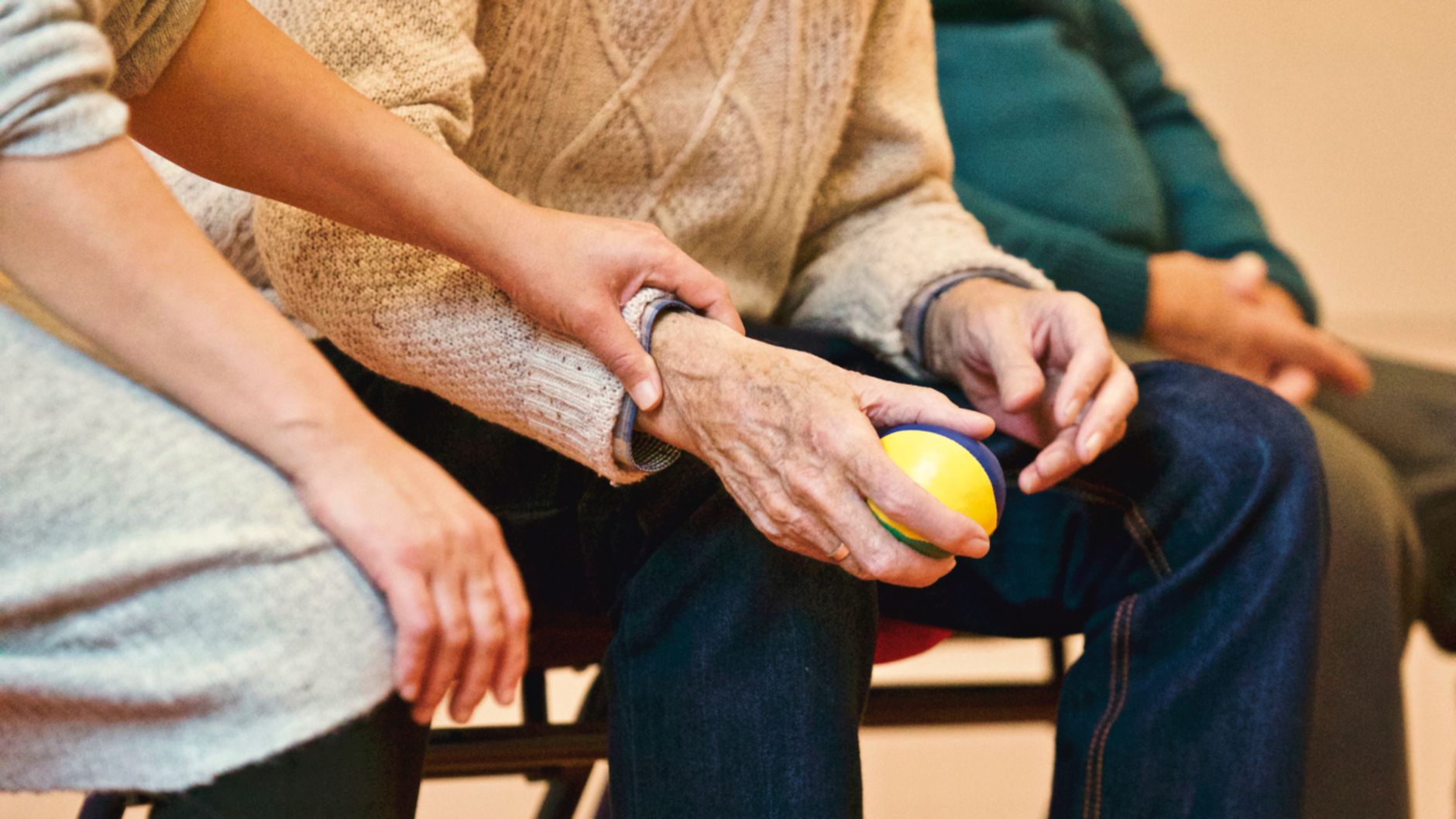
Yes, you can often still join Parkinson's research when your study partner cannot drive. A study partner is a person with regular contact who reports on your health, thinking, and daily function, sometimes by phone or video. Driving changes are common in Parkinson's, and travel to a study site can be hard for patients and partners. Remote visits, home kits, and ride support have made some studies easier to join.
Medical information disclaimer: This article is for general educational purposes only and does not provide medical advice, diagnosis, or treatment. Always consult a physician or other qualified health professional about symptoms, medications, tests, or treatment decisions.
Table of Contents
- What a study partner does
- Can a partner help by phone or video?
- How do studies lower travel burden?
- What should you ask the study team?
What a study partner does
A study partner is not just a ride. Trials often require a reliable partner with regular contact who signs a separate partner consent.
That partner attends visits that need partner input. Input covers health, thinking, and daily function. The team uses those answers alongside your exams and test results.
Can a partner help by phone or video?
For some trials, the answer is yes. The PROPEL GBA1 Parkinson's trial listing via Veeva states that study-partner contact may be in person or by phone or video trial listing. That option lets a partner who cannot drive still give required information for some visits.
Rules vary by study and by visit. Ask which visits need the partner in the room and which allow a call. The Boston University ATLANTIS trial flyer describes on-site exams, imaging, or infusion visits trial flyer, so remote input does not remove every trip.
📨 Get Free Parkinson's Guides Alerts
Free · No spam · Unsubscribe anytime
How do studies lower travel burden?
Contemporary Clinical Trials Communications lists loss of driving ability plus dementia, medication timing, reduced mobility, and bowel or bladder concerns as added travel barriers pilot report. In a pilot, coordinators pre-arranged third-party rideshare rides. Riders said the rides made participation easier and less stressful and made them more likely to join another study.
FDA's final guidance says trials may use telehealth visits, in-home visits, local labs, and home delivery of study drug when appropriate final guidance. The Michael J. Fox Foundation has funded home video visits to lower distance and disability barriers. The Parkinson's Foundation's PD GENEration study offers online enrollment with an at-home kit or site visit plus telemedicine counseling.
What should you ask the study team?
Call the study team before you rule out a trial. Ask for clear answers about partner rules and travel help.
Some Parkinson's trials advertise travel reimbursement and partner travel support. Bring your partner's schedule and phone or video access to that first call so the coordinator can match you to a workable plan.
- Can my partner join some visits by phone or video?
- Can I name a different partner if needed?
- What travel reimbursement or ride support do you offer, including for my partner?
- Is there a fully remote option with telehealth or local labs?
You Might Also Like
- Parkinson’s Research Headlines: Why a Promising Early Trial May Not Lead to Approval
- Parkinson’s Dementia Research and the Need for Everyday Function Measures
- Paraquat and Parkinson’s: What an Animal Study Can Tell Us About Human Risk