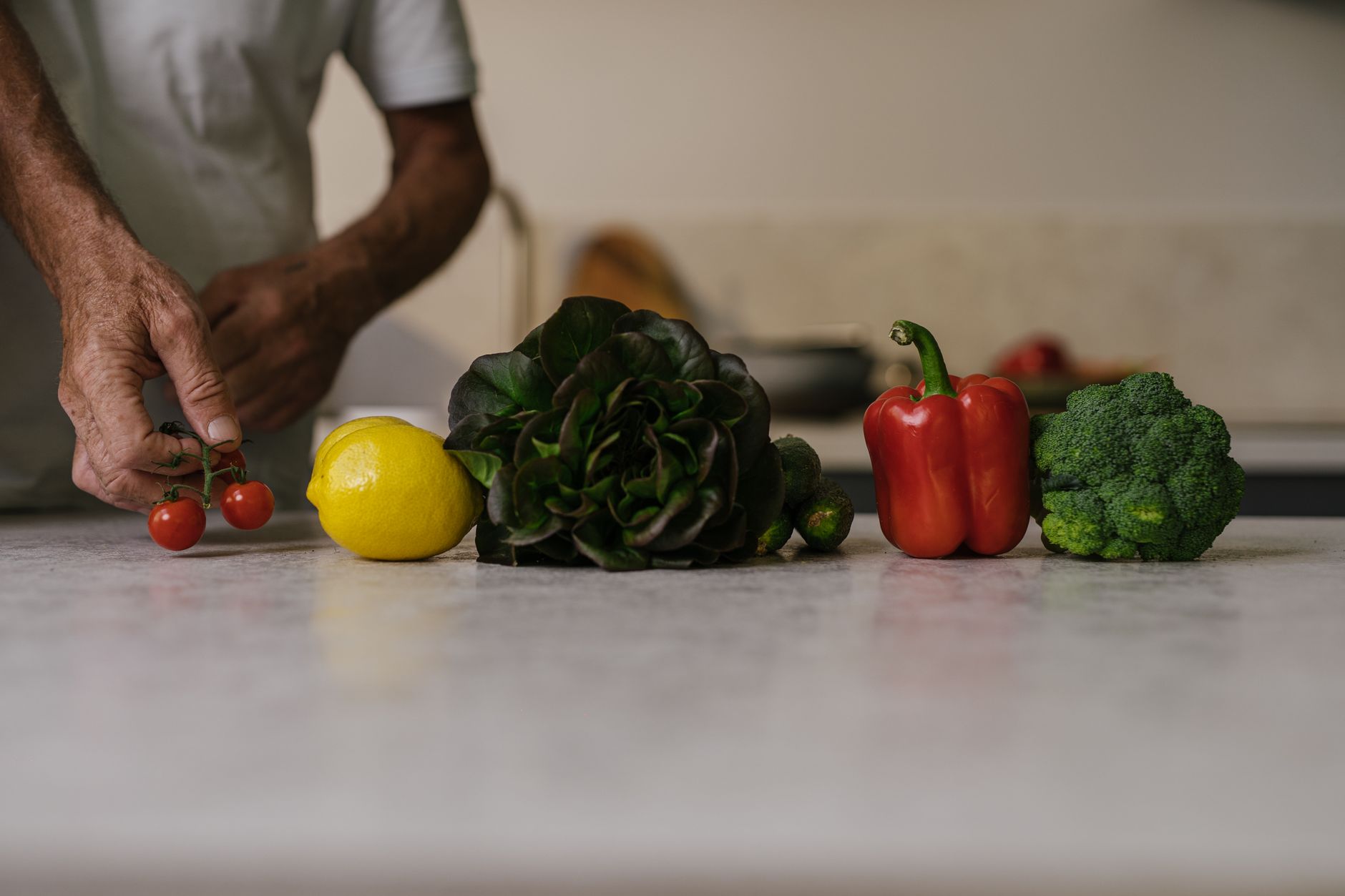
A Parkinson's diet is not a strict menu but a practical way of eating that helps levodopa work well and eases gut symptoms. Levodopa, the main drug that the brain converts to dopamine to control movement symptoms, works best when meals, protein and fiber are planned around it. The focus is a Mediterranean-style pattern with enough fiber and fluids, normal daily protein, and careful timing of levodopa apart from protein and iron. This approach fits daily life and caregiving tasks like shopping, cooking and giving pills on schedule.
Medical information disclaimer: This article is for general educational purposes only and does not provide medical advice, diagnosis, or treatment. Always consult a physician or other qualified health professional about symptoms, medications, tests, or treatment decisions.
Table of Contents
- How should you time levodopa around meals?
- What eating pattern best supports Parkinson's?
- How can you relieve constipation without harming medication effect?
- Should you cut protein to make levodopa work?
- When do you need screening or a dietitian?
How should you time levodopa around meals?
Take carbidopa-levodopa with non-protein foods or 30 minutes before or 60 minutes after eating if high-protein meals make its benefit fade. The Parkinson's Foundation explains this timing in its levodopa and protein guidance because protein and levodopa compete for absorption. For advanced Parkinson's, take levodopa 30 to 60 minutes before meals on a relatively empty stomach.
If nausea occurs, use only a small low-protein carbohydrate snack like crackers. Do not take iron-containing products at the same time as levodopa. That includes ferrous sulfate and multivitamins with iron, because iron interferes with absorption and reduces effectiveness.
What eating pattern best supports Parkinson's?
Eat a Mediterranean or MIND pattern rich in vegetables, fruits, nuts, berries, beans, whole grains and non-fried fish. This pattern is linked to less severe symptoms, slower progression and better quality of life. Build plates around produce, beans and whole grains, with fish instead of fried meat.
Choose berries for snacks, add nuts in small portions, and use olive oil style meals with vegetables at lunch and dinner. No specific diet is proven to prevent or treat Parkinson's. The Mediterranean and MIND benefits are observational associations shaped by genetics, environment, sleep and activity.
How can you relieve constipation without harming medication effect?
Aim for fewer problems by acting early if bowel movements drop below three per week. The Parkinson's Foundation advises 25 to 40 grams of daily fiber from fruits, vegetables, prunes, berries and whole grains plus more fluids and exercise in its nutrition and constipation guide, since constipation affects up to 66% of patients.
📨 Get Free Parkinson's Guides Alerts
Free · No spam · Unsubscribe anytime
Drink about 12 to 15 glasses of liquid daily and exercise at least 30 minutes daily. The ParkinsonNet Dutch guideline gives these targets in its nutrition in Parkinson's disease guideline because constipation can also slow levodopa absorption and make it less effective.
- Add fiber step by step with prunes, berries, beans, vegetables and whole grains
- Spread fluids through the day with water, soups and juicy fruit
- Walk or move daily as able, with toileting after meals when the urge is stronger
Should you cut protein to make levodopa work?
Do not follow a chronic low-protein diet. Keep normal total daily protein to prevent muscle loss and malnutrition. Use timed protein redistribution only under medical supervision if protein blocks levodopa.
That means keeping the day's total protein the same while shifting more protein to the evening meal. Talk with the prescriber, nurse or dietitian before changing meat, dairy, eggs, beans or soy portions. Bring a list of meal times, pill times, protein foods and off periods to the visit.
When do you need screening or a dietitian?
Get dysphagia and malnutrition screening with referral to a dietitian if swallowing problems, weight loss, body mass index below 20, or Hoehn and Yahr stage above III develop. ESPEN neurology nutrition guidance sets this safety limit.
Watch for coughing with food, food sticking in the throat, longer meal times, loose clothes or shrinking portions. Ask about texture changes, safe swallowing steps, calorie needs and protein timing at the same visit.
You Might Also Like
- Parkinson’s Diet Checklist: What to Track, Ask, and Verify
- OMAD and Parkinson’s Disease: Why One Meal a Day Can Complicate Nutrition and Medication
- Mediterranean Diet Parkinson’s Explained: What Patients and Families Should Know