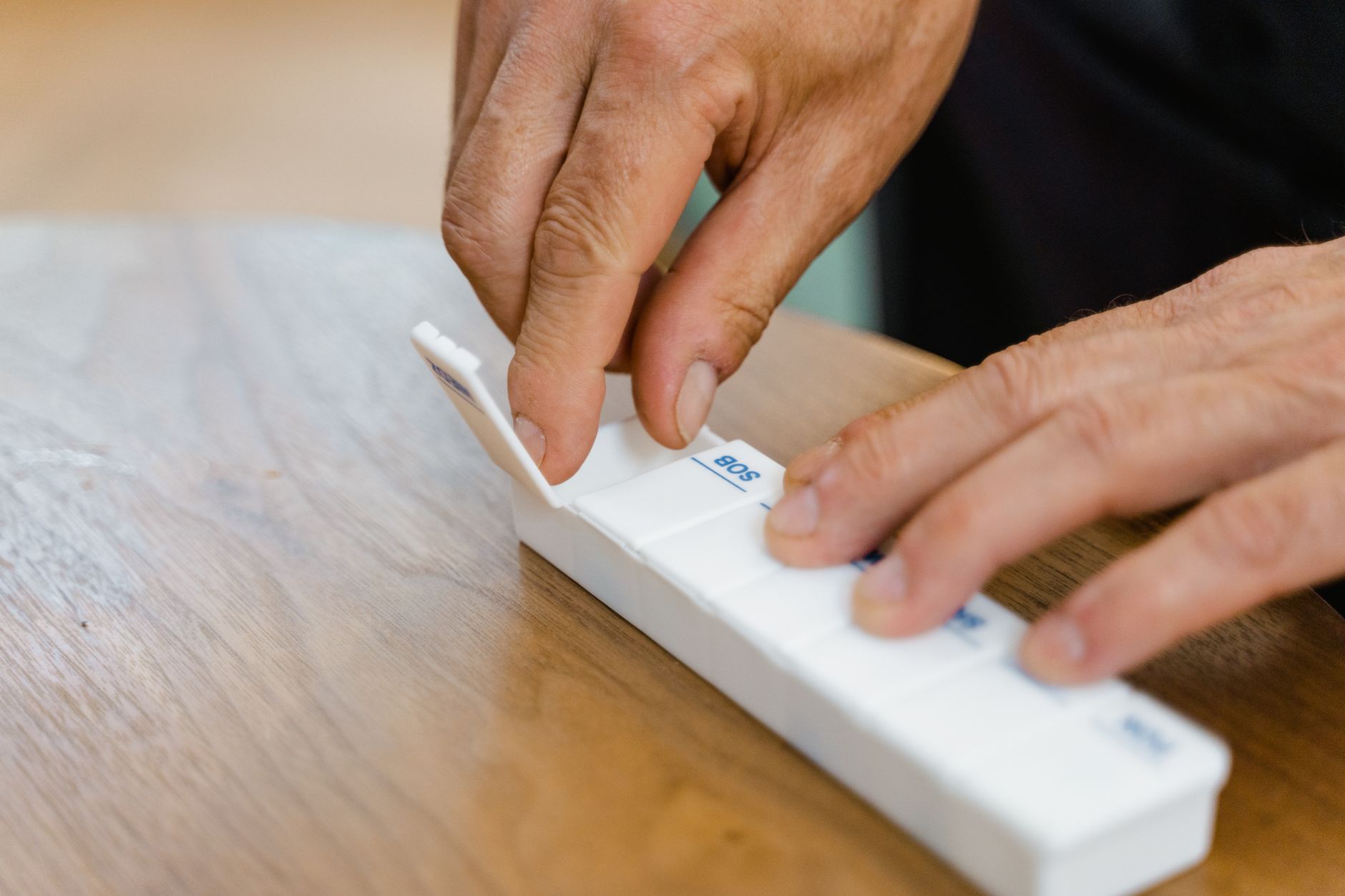
Telemedicine for Parkinson's disease can handle many routine visits, check-ins, and rehabilitation sessions by video. Evidence shows video care is feasible and saves travel, but hands-on exams and Medicare rules still set limits.
Telemedicine means live medical care by video or phone instead of an office visit. Parkinson's disease is a progressive brain disorder that impairs movement, balance, and often mood, thinking, and sleep. Remote care helps patients and caregivers who face long drives, fatigue, and frequent follow-up.
Medical information disclaimer: This article is for general educational purposes only and does not provide medical advice, diagnosis, or treatment. Always consult a physician or other qualified health professional about symptoms, medications, tests, or treatment decisions.
Table of Contents
- Does a video visit work as well as an office visit?
- Can rehabilitation work from home?
- What cannot be checked on video?
- Will Medicare cover telemedicine for Parkinson's?
- Do wearables and new stimulation change remote care?
Does a video visit work as well as an office visit?
A 1-year U.S. randomized trial of 195 Parkinson's patients found video house calls feasible. Neurology via the HealthPartners repository reports 98% completed at least one visit and 91% of 388 visits were completed, with no difference in quality of life versus usual care the trial summary. Feasibility was high, but video did not improve quality of life more than clinic care. Convenience is the main benefit.
Each virtual house call in that trial saved a median 88 minutes and 38 miles of travel. That saving matters for caregivers who drive, take time off work, or assist with walking and wheelchairs. A large study of first visits also supports follow-up planning by video. Researchers studied over 16,000 first-time neurology visits at three academic systems. The American Academy of Neurology reports virtual versus in-person first visits made no difference in follow-up timing, emergency visits, or hospitalizations within 90 days.
- Test video, sound, and lighting before the visit.
- Keep medications, symptoms notes, and questions nearby.
- Ask a caregiver to join for walking tasks and history.
Can rehabilitation work from home?
The 12-week TELEPARK pilot trial studied 63 people with mild-to-moderate Parkinson's disease. JAMA Neurology via BreakingMED reports teleneurorehabilitation improved motor scores, nonmotor symptoms, walking, and quality of life similarly to in-person rehabilitation. The program used remote supervision, not unsupervised exercise alone. Home rehab suits people who can move safely with guidance and have space to practice.
It may include gait training, balance tasks, speech work, and symptom monitoring. In-person rehab remains better when fall risk is high or equipment is needed. Ask what tasks will be live, what can be recorded, and how progress is measured. Clear goals help: faster walking, fewer freezing episodes, louder speech, or easier daily tasks.
📨 Get Free Parkinson's Guides Alerts
Free · No spam · Unsubscribe anytime
What cannot be checked on video?
Remote exams cannot rate rigidity or postural stability. Duke Scholars, summarizing a Movement Disorders study, explains both require hands-on manipulation and pull-testing by a trained examiner the Duke summary. Video can show tremor, speech, facial expression, slowness, and walking, but not stiffness felt during passive movement. That gap has a practical workaround for research and tracking.
The same study found the total MDS-UPDRS Part III motor score can be accurately imputed without those two items. MDS-UPDRS Part III is the standard Parkinson's motor exam scale. Individual missing scores cannot be imputed, so in-person exams remain needed when rigidity or balance changes drive treatment. Plan video for stable follow-up, medication review, mood and sleep checks, and caregiver counseling. Choose clinic visits for new balance problems, falls, stiffness changes, device adjustments, or surgical evaluation.
Will Medicare cover telemedicine for Parkinson's?
Coverage remains uncertain for many older patients. CMS stated that without Congressional action, pre-pandemic Medicare geographic, originating-site, and practitioner limits on telehealth return Jan. 1, 2025 the CMS fact sheet.
Parkinson's care is largely Medicare-aged, so rule changes can affect access fast. Call the clinic and plan before booking. Confirm whether the visit is billed as telehealth, whether audio-only is allowed, and whether the doctor is licensed where you are located. Keep a clinic-visit option when a hands-on exam may change treatment.
Do wearables and new stimulation change remote care?
A 2026 review notes FDA approval of adaptive deep-brain stimulation and clearance of multiple wearable Parkinson's monitors from 2023-2025. Adaptive deep-brain stimulation adjusts stimulation based on brain signals. Wearables track tremor, slowness, gait, and daily activity outside the clinic. Routine use still faces barriers.
The Annals of Movement Disorders review flags access, privacy, training, and record-integration problems. A device helps only when the clinic can receive the data, interpret it, and act on it. Ask whether your center supports the device, who reviews alerts, and how data enter the visit. Bring a short log of freezing, wearing-off periods, falls, and sleep issues to make remote review concrete.
You Might Also Like
- Parkinson’s Disease LSVT LOUD FAQ: Common Questions and Evidence-Based Answers
- Daily Living for Parkinson’s Disease FAQ for October 2026: Source-Checked Answers to Common Questions
- Understanding Parkinson’s Fatigue: Evidence, Limits, and Next Steps