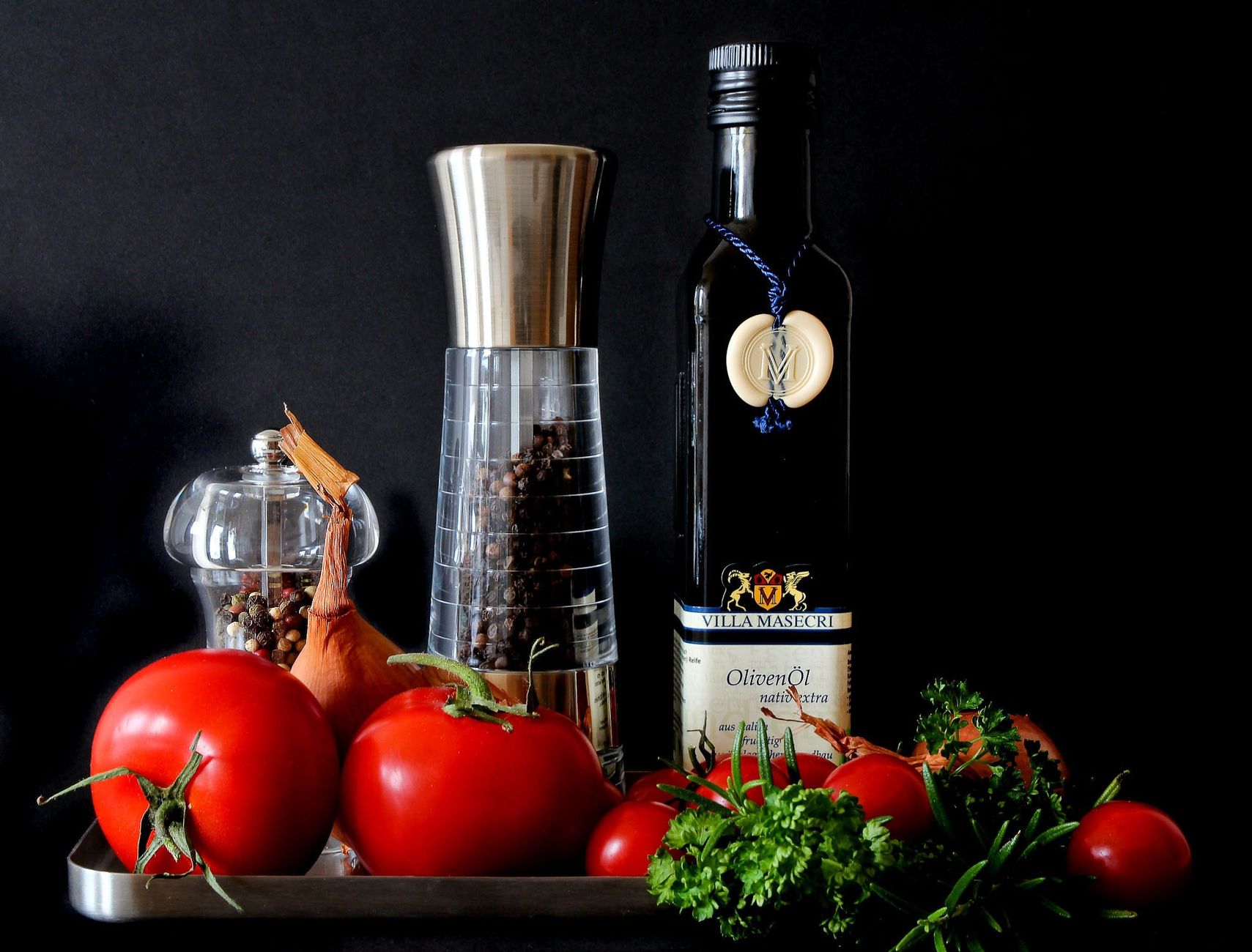
Mediterranean diet and Parkinson's means an eating pattern rich in plants, olive oil and fish is linked to lower risk, later onset and milder reported symptoms. Patients and families should know it supports brain and gut health but does not treat or prevent Parkinson's.
The Mediterranean pattern emphasizes vegetables, fruits, whole grains, olive oil, fish, nuts and legumes while limiting red meat, sugary, fried and ultra-processed foods, according to the University of British Columbia Faculty of Medicine UBC Faculty of Medicine summary. That mix provides fiber and anti-inflammatory fats relevant to brain and gut health. Families can use it as daily support alongside prescribed care.
Medical information disclaimer: This article is for general educational purposes only and does not provide medical advice, diagnosis, or treatment. Always consult a physician or other qualified health professional about symptoms, medications, tests, or treatment decisions.
Table of Contents
- What does this way of eating look like?
- Is it linked to lower risk or later onset?
- What if you already have Parkinson's?
- How can families eat this way and protect medication?
What does this way of eating look like?
A Mediterranean plate centers on vegetables, beans, lentils, whole grains and fruit. Olive oil replaces butter, fish and nuts supply healthy fats, and red meat becomes occasional. Fiber feeds gut microbes and helps stool bulk.
That matters because chronic constipation often troubles people with Parkinson's. Anti-inflammatory fats support overall brain and body health. Sugary drinks, fried foods and ultra-processed snacks get a smaller role. Water, simple home cooking and steady meals make the pattern easier to keep.
Is it linked to lower risk or later onset?
In a Swedish cohort, higher Mediterranean adherence in middle age was tied to lower Parkinson's risk, with each one-point score increase linked to 29% lower risk after age 65, as reported in Movement Disorders the Movement Disorders report. Adults with the highest adherence were also 33% less likely than lowest-adherence adults to report three or more early features such as constipation, daytime sleepiness and depression, according to the American Academy of Neurology the neurology meeting summary. In a 176-person study, strict Mediterranean and MIND adherence coincided with later onset by up to 17.4 years in women and 8.4 years in men, according to UBC News the UBC onset study.
📨 Get Free Parkinson's Guides Alerts
Free · No spam · Unsubscribe anytime
Mediterranean benefit was strongest in men, while MIND was strongest in women. These are links over time, not proof of protection. No diet is proven to treat, slow or prevent Parkinson's. Most evidence is observational, and disease-modifying benefit remains under testing in trials such as MED-PARK.
What if you already have Parkinson's?
Among people already diagnosed, Mediterranean and MIND adherence were tied over time to fewer patient-reported symptoms and lower severity. MIND showed greater reductions, including constipation, anxiety, fatigue and memory complaints. That pattern fits daily life with Parkinson's.
Less constipation means less straining and discomfort. Less fatigue and anxiety can make movement, meals and caregiving easier. A proposed reason is gut-brain protection. MIND eating was linked to lower zonulin, a marker of gut permeability, plus fiber-fed microbial diversity that may affect inflammation, alpha-synuclein aggregation and chronic constipation.
How can families eat this way and protect medication?
Levodopa absorption matters more than any single food. High-protein meals can impair levodopa uptake for some people.
The Parkinson's Foundation advises levodopa often works best 30-45 minutes before eating, with protein shifted later if interference occurs. Families should track timing, symptoms and wearing-off, then ask the care team before changing meals. Practical steps help without strict rules:.
- Build lunch around vegetables, beans, whole grains, olive oil and fish.
- Keep large meat, milk or protein-shake servings at the evening meal if daytime doses weaken.
- Keep fiber, fluids and walking steady to ease constipation.
You Might Also Like
- Parkinson’s Diet Checklist: What to Track, Ask, and Verify
- Diet and Nutrition for Parkinson’s Disease Explained for 2026: Who It Affects, Key Evidence, and What to Do Next
- Swallowing Problems Parkinson’s Update 2026: Evidence and Open Questions