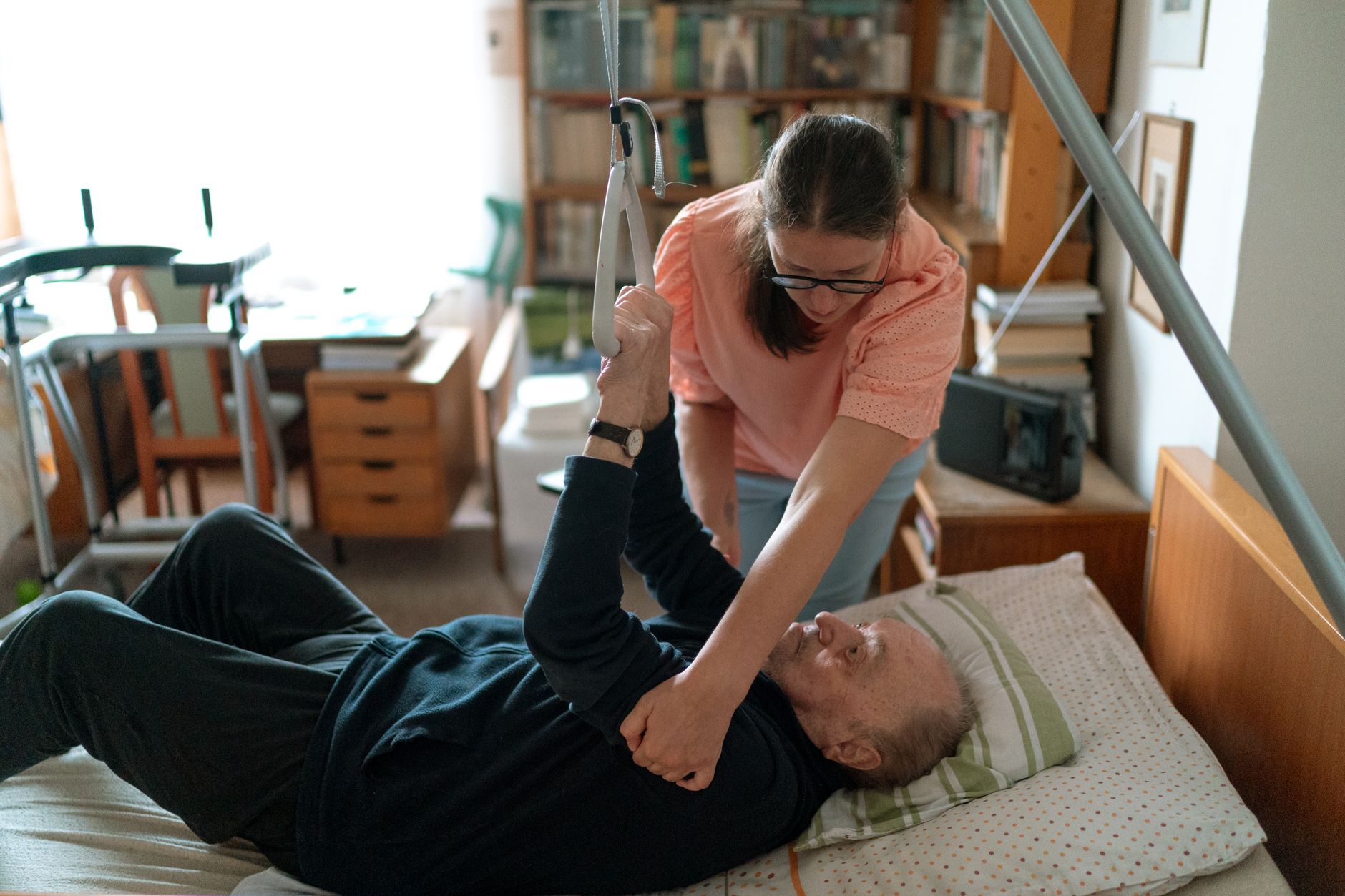
A caregiver handoff when thinking and mobility both fluctuate is a short, exact transfer of dose times, on/off pattern, freezing triggers and current thinking status. It tells the next caregiver what good and bad periods look like right now and what to do in each. On/off fluctuation means Parkinson symptoms return as each levodopa dose wears off, then ease after the next dose. Handoffs matter because confusion and fall risk rise fast when a new helper misses that timing.
Medical information disclaimer: This article is for general educational purposes only and does not provide medical advice, diagnosis, or treatment. Always consult a physician or other qualified health professional about symptoms, medications, tests, or treatment decisions.
Table of Contents
- Why do movement and thinking shift together?
- What thinking changes should the next caregiver hear?
- What makes a home handoff work?
- How do you hand off for a hospital stay?
Why do movement and thinking shift together?
Long-term levodopa use commonly brings on periods when stiffness, slowness and tremor return near dose end, while peak doses can bring dyskinesia with fidgeting, writhing, head-bobbing or swaying, according to the Michael J. Fox Foundation in its educational guide. The same person can need help walking at one hour and move more freely at the next. Thinking can also vary with fatigue, poor sleep, anxiety and low mood.
Freezing of gait most often happens in the off state, when feet feel glued to the floor. Turning, doorways, narrow spaces, nearing a destination, stress and doing two tasks at once can trigger it and raise fall risk, as described by Practical Neurology in its freezing of gait review. A handoff should name the person's top triggers and safe cues. Common cues are stop, shift weight, step over a line and follow a steady beat.
What thinking changes should the next caregiver hear?
Parkinson's can cause mild cognitive impairment with trouble planning, organizing, multitasking and staying focused, according to the Parkinson's Foundation in its cognitive changes guide. Dopamine loss, depression, anxiety, poor sleep and fatigue can make these problems worse. The person may seem distracted, disorganized or slow to follow steps.
Family caregivers often notice thinking and confusion changes before the person does, the Family Caregiver Alliance reports. Log mood, sleep, digestion and cognition and share the notes with the doctor, since motor symptoms get more attention at visits. For handoffs, report the current baseline in plain words, such as follows written steps with reminders, or mixes up pill order when tired.
📨 Get Free Parkinson's Guides Alerts
Free · No spam · Unsubscribe anytime
What makes a home handoff work?
Keep handoffs brief, written and kept in one place. No two people fluctuate the same way, and not all develop dyskinesia or dementia, the U.S. National Institute on Aging notes.
That is why the diary matters more than general advice. Use the same one-page form for every shift, nurse visit and family backup: Pair the form with a steady routine for meals, walk paths, rest and bedtime. Clear the walking path, allow extra time for turns and doorways, and avoid talking through steps during freezing risk. Call the movement specialist promptly about sudden confusion, repeated falls, lost on time or possible hospitalization.
- exact pill times, doses, on time and off time from yesterday and today
- freezing triggers seen, falls or near-falls, and what helped restart stepping
- thinking now: alert, distracted, confused, hallucinations, sleep last night
- meals, fluids, bathroom pattern and pain or new illness
- who to call for dose questions, confusion changes and falls
How do you hand off for a hospital stay?
People with Parkinson's face extra hospital risk. The Parkinson's Foundation Aware in Care campaign reports about 50% more hospital stays, missed on-time doses for three in four patients, and preventable complications in two in three of those delayed, in its hospital safety resources. Bring the exact home schedule and insist it be followed, not rounded to hospital windows.
Pack an updated medication list, a list of dopamine-blocking drugs to avoid, a doctor letter, a two-day supply in labeled bottles and the Aware in Care kit. Brief every new nurse and aide on dose times, off signs, freezing help and thinking baseline. Contact the movement specialist immediately on admission and keep one family member as medication watcher until discharge.
You Might Also Like
- When a Parkinson’s Care Partner Needs to Repeat Instructions Without Raising Their Voice
- When a Parkinson’s Care Partner Is Afraid to Leave the Room
- Parkinson’s Caregiving and Preserving Conversation Beyond Medication Schedules