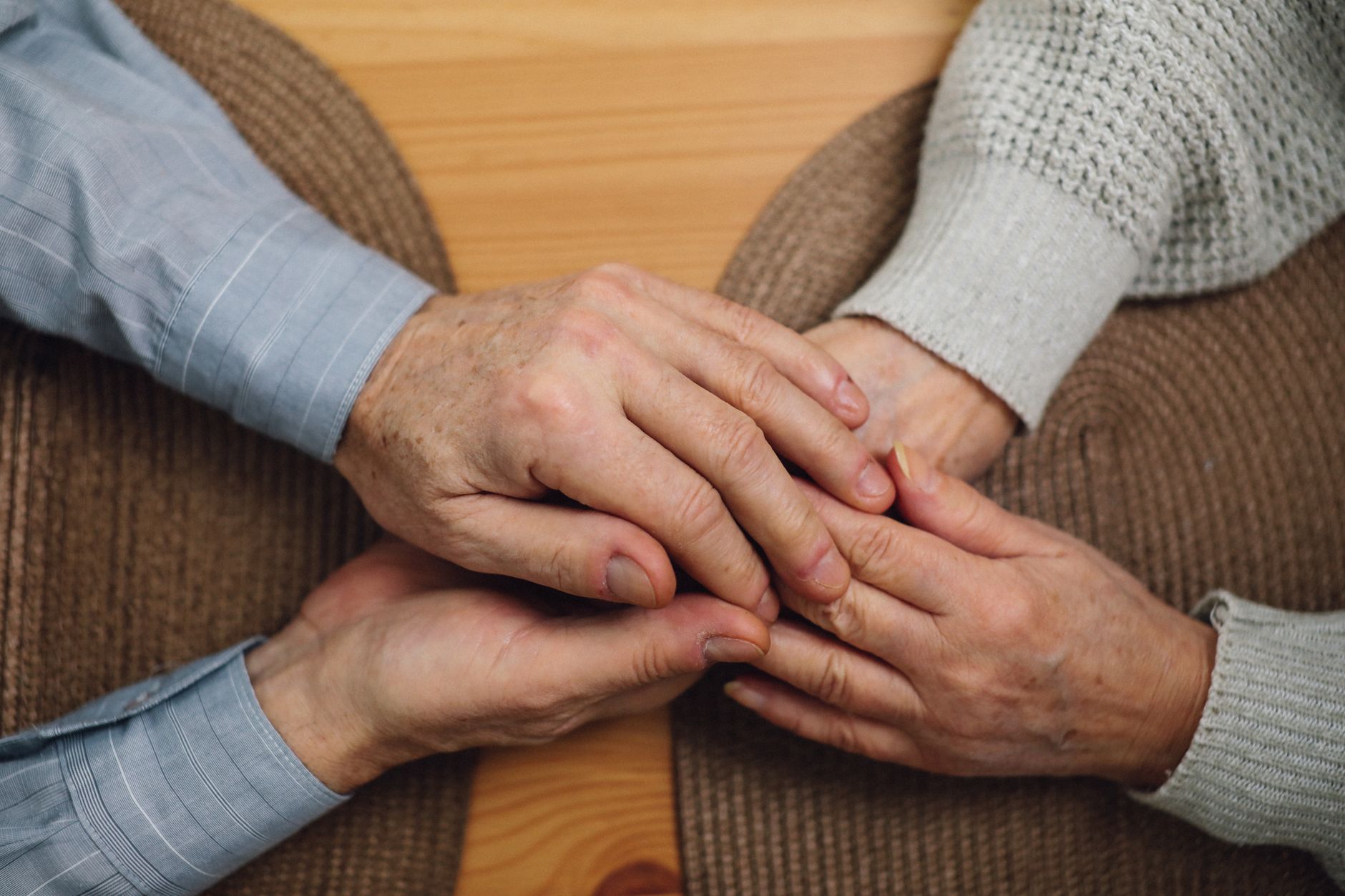
The Parkinson's Foundation is an organization formed in August 2016 by merging the National Parkinson Foundation and Parkinson's Disease Foundation, both founded in 1957, with a mission to improve care and advance research toward a cure. For symptoms, treatment, medication, and caregiving, its key safety advice centers on exact drug timing, safer hospital care, and supervised exercise, with specialty help through its Helpline and Center network. Parkinson's is a chronic progressive brain disorder that reduces movement control and affects daily life. About 1 million Americans live with the disease and about 60,000 are diagnosed yearly, with more than 10 million affected worldwide, mainly older adults and more men than women.
Medical information disclaimer: This article is for general educational purposes only and does not provide medical advice, diagnosis, or treatment. Always consult a physician or other qualified health professional about symptoms, medications, tests, or treatment decisions.
Table of Contents
- Who is the Parkinson's Foundation?
- What does Parkinson's do to the body?
- What can treatment do today?
- How can you stay safer with medication and movement?
- What are the next steps for care?
- Frequently Asked Questions
Who is the Parkinson's Foundation?
The Foundation was created when two groups founded in 1957 joined in August 2016. According to Parkinson's Foundation reporting via BioSpace in its merger announcement, the combined mission is to improve care and advance research toward a cure.
For patients and caregivers, it offers practical safety information, exercise guidance, hospital-care tools, and referrals to specialty care. Its Center of Excellence network provides specialty care to tens of thousands yearly.
What does Parkinson's do to the body?
Parkinson's is a chronic progressive neurodegenerative disorder caused by loss of dopamine-producing neurons in the substantia nigra. That loss produces tremor, rigidity, slowed movement, and postural instability.
It also causes non-motor symptoms, including sleep, mood, and cognitive changes. Symptoms usually progress over time and affect walking, balance, work, and caregiving needs.
What can treatment do today?
Current drugs, chiefly levodopa/carbidopa, lessen motor symptoms especially early but lose effectiveness over time. According to the National Institute of Neurological Disorders and Stroke in its Director's message, no intervention yet prevents or slows disease progression. Deep brain stimulation beat best medical therapy for reducing motor symptoms and improving motor function in supported trials. It is surgery for selected advanced patients, not a cure.
Newer levodopa options address motor fluctuations in Parkinson's. According to AbbVie reporting via VJNeurology in the FDA approval notice, on Oct. 17, 2024, FDA approved Vyalev, foscarbidopa/foslevodopa, as the first 24-hour subcutaneous levodopa-based infusion for motor fluctuations in adults with advanced Parkinson's. In Aug. 2024 FDA also approved Crexont, extended-release carbidopa/levodopa combining immediate-release granules with extended-release pellets, requiring prescription titration and monitoring for dyskinesia and low blood pressure.
📨 Get Free Parkinson's Guides Alerts
Free · No spam · Unsubscribe anytime
How can you stay safer with medication and movement?
According to the Parkinson's Foundation in its Hospital Safety fact sheet, patients should take Parkinson's drugs on their exact home schedule in the hospital. It also advises avoiding dopamine-blocking antipsychotics and certain antiemetics.
Freezing, low blood pressure, and falls are common, so use supervised exercise and fall precautions. Useful steps include: The Parkinson's Foundation with the American College of Sports Medicine recommends 150 minutes per week of moderate-to-vigorous exercise. That weekly plan should cover aerobic work, strength, balance with agility and multitasking, and stretching, starting with a Parkinson's-trained physical therapist evaluation.
- Bring an updated drug list with doses and times to every visit
- Ask staff to confirm Parkinson's drugs stay on schedule during admission
- Ask before any new antipsychotic or anti-nausea drug is given
- Use a walker, assistance, or physical-therapy plan when freezing or dizziness occurs
What are the next steps for care?
U.S. patients and caregivers can call the Parkinson's Foundation Helpline at 1-800-4PD-INFO for information and local referrals.
A caller can ask about symptoms, drugs, hospital planning, exercise, and caregiver support. Also seek a Parkinson's Foundation Center of Excellence for specialty care. The global network serves tens of thousands yearly and can coordinate medication changes, advanced-therapy evaluation, therapy referrals, and follow-up.
Frequently Asked Questions
Should Parkinson's drugs ever be delayed in the hospital?
No. Take them on the exact home schedule and ask staff to protect that timing.
Who should guide an exercise start?
Start with an evaluation by a Parkinson's-trained physical therapist, then build toward 150 minutes per week of moderate-to-vigorous aerobic, strength, balance, and stretching work.
Where can I find specialty Parkinson's care?
Call 1-800-4PD-INFO and ask for a Parkinson's Foundation Center of Excellence near you.
You Might Also Like
- Parkinson’s Disease News Guide 2026: Evidence, Options, and Safety
- American Parkinson Disease Association Guide 2026: Evidence, Options, and Safety
- Financial and Legal Help for Parkinson’s Disease Explained for 2026: Who It Affects, Key Evidence, and What to Do Next