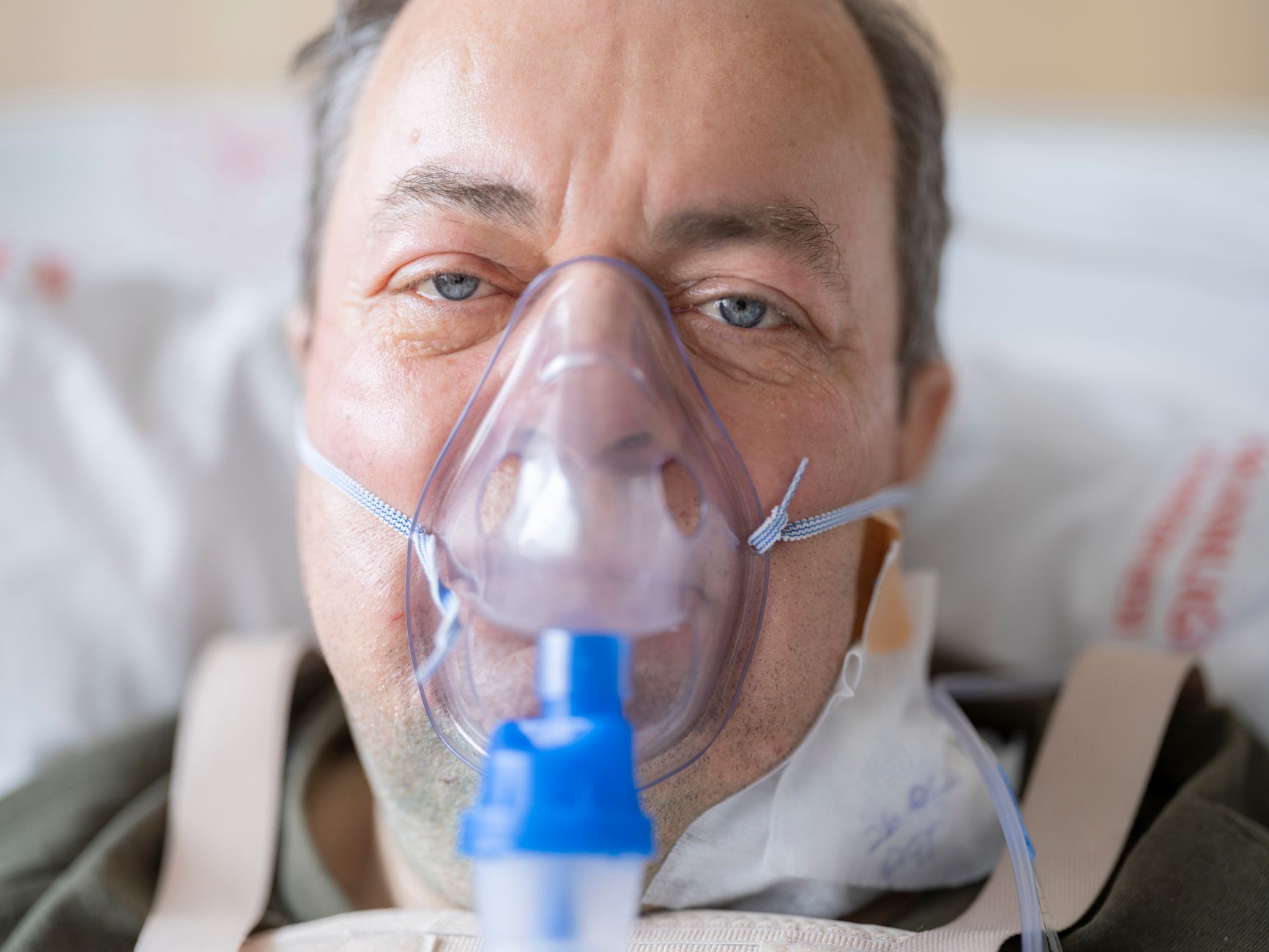
A Parkinson's emergency go bag is a small ready kit that keeps medication and contact information with you during ER visits, hospital stays, and evacuations. It centers on exact medication records and backup contacts so care can continue without delay. Parkinson's medications are time-critical, which means even short delays can matter. A clear paper record plus backup supplies helps caregivers, responders, and hospital staff follow the home schedule.
Medical information disclaimer: This article is for general educational purposes only and does not provide medical advice, diagnosis, or treatment. Always consult a physician or other qualified health professional about symptoms, medications, tests, or treatment decisions.
Table of Contents
- What medication record should you carry?
- What belongs in a Parkinson's hospital go bag?
- Which drugs should you flag as drugs to avoid?
- How do you pack backup contacts and documents?
- Frequently Asked Questions
What medication record should you carry?
Keep one current list with drug name, strength, dose, and exact times taken. The Parkinson's Foundation advises families to write down or print this list and update it with every change, using its customizable emergency checklist. Include all Parkinson's drugs plus sleep, mood, blood pressure, and over-the-counter products.
The Michael J. Fox Foundation advises the same complete medication-and-dosage list for hurricanes, fires, and storms, paired with doctors and their contact information. Store one copy in the bag, one on the refrigerator, and one with a caregiver. Check times against pill bottles every month so the paper matches daily practice.
What belongs in a Parkinson's hospital go bag?
Pack the completed medication form, a signed doctor letter about hospital-care needs, and current drugs in labeled pharmacy bottles with at least a two-day supply. The Parkinson's Foundation lists these items for its hospital go bag, along with the Hospital Safety Guide and a Parkinson's ID card or bracelet in its Hospital Safety Guide. Give Parkinson's doses within 15 minutes of the home-schedule time when possible.
The Parkinson's Foundation warns that delays can worsen movement symptoms, confusion, swallowing problems, and fall risk in emergency rooms and hospitals. Bring the signed letter to every triage desk and nursing handoff. Ask staff to record the home times on the chart and confirm who will give each dose.
Which drugs should you flag as drugs to avoid?
Carry a short avoid-list and review it before any new hospital prescription. The Parkinson's Foundation warns that dopamine-blocking antipsychotics, certain anti-nausea drugs, and sedatives can worsen Parkinson's symptoms or delirium. Keep this list on the same page as the medication schedule.
📨 Get Free Parkinson's Guides Alerts
Free · No spam · Unsubscribe anytime
That placement makes it easy for ER doctors, nurses, and pharmacists to see both together. Tell staff about past bad reactions to sleep, nausea, or agitation drugs. Ask for a Parkinson's-safe alternative and a pharmacist review when a new drug is ordered.
How do you pack backup contacts and documents?
Pack copies of the medication list, key medical information, insurance cards, photo ID, and family and emergency contact information. FEMA also advises packing a cell phone with chargers and extra cash in every emergency kit.
For people with disabilities, CDC advises at least a one-week supply of prescription drugs, a cooler for refrigerated drugs, medical supplies, and important health documents in its emergency kit guidance. Use this packing routine to stay portable and ready: A bag supports continuity but does not guarantee on-time hospital dosing, so use the doctor letter to advocate for the schedule at admission.
- Seal papers in a waterproof pouch and update copies after each clinic visit.
- Give one set to a trusted out-of-state contact.
- Carry a wallet Medical Alert Card and wear an ID bracelet showing Parkinson's and an emergency contact.
- Keep two days of labeled medicines in the go bag and rotate them before expiry.
Frequently Asked Questions
How much backup medicine should stay in the go bag?
Keep at least a two-day supply in labeled pharmacy bottles for hospital use, and aim for a one-week supply at home for disasters affecting people with disabilities.
Who should hold copies besides the person with Parkinson's?
Give waterproof copies to a daily caregiver and one trusted out-of-state contact, plus keep a wallet card and bracelet for responders.
You Might Also Like
- Parkinson’s Caregiving and Preserving Conversation Beyond Medication Schedules
- When a Parkinson’s Care Partner Is Afraid to Leave the Room
- Supporting a Parkinson’s Caregiver Who Is Sleeping in Short Fragments