To verify an exercise or movement claim for Parkinson's disease in 2026, compare its exact promise to guidance from NIH and the Parkinson's Foundation, its drug language to FDA approval records, and its study language to a ClinicalTrials.gov record. Ask for dose, target symptom, trial number, and approved use before you change your routine.
Motor fluctuations are periods when stiffness, tremor, or slowness return as medication wears off. Exercise helps many people stay mobile, but it does not carry a drug-style approved indication. A clear check keeps useful movement habits separate from sales pitches.
Medical information disclaimer: This article is for general educational purposes only and does not provide medical advice, diagnosis, or treatment. Always consult a physician or other qualified health professional about symptoms, medications, tests, or treatment decisions.
Official resources:
- Read the original research from NIH — Use this page to review the original research.
- Read the original research from NIH — Use this page to review the original research.
Table of Contents
- What does proven exercise guidance recommend?
- Where do NIH and FDA draw the line?
- What does recent evidence support?
- How can you spot fraud and check a trial?
What does proven exercise guidance recommend?
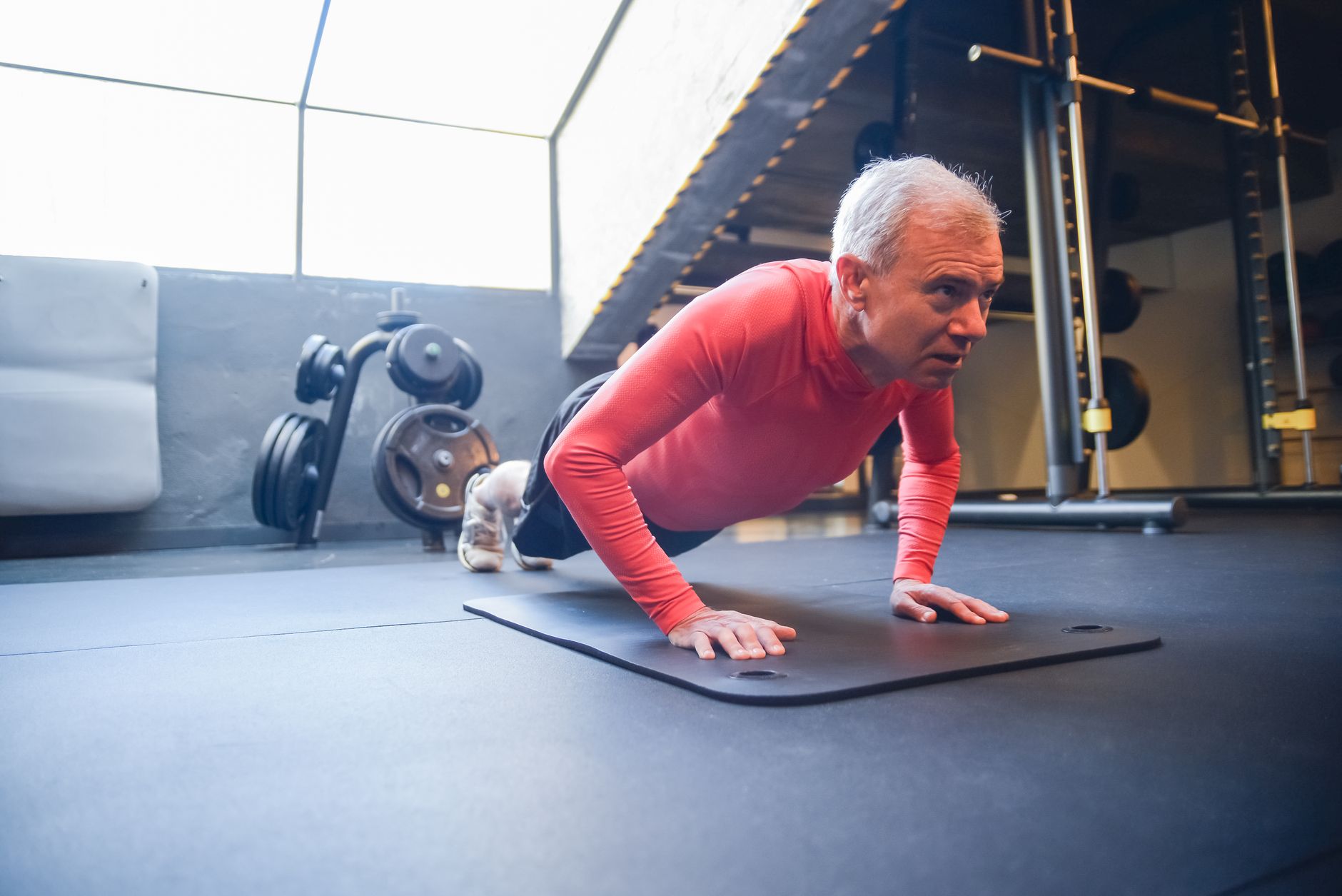
The Parkinson's Foundation with the American College of Sports Medicine recommends 150 minutes per week of moderate-to-vigorous exercise covering aerobic, strength, balance/agility/multitasking, and stretching, described in its exercise recommendations. That dose gives you a yardstick. A claim for 10 easy minutes a week to restore normal walking falls far short of it.
The same guidelines urge a functional evaluation from a Parkinson's-specialized physical therapist and exercise during medication "on" periods. "On" means the medication is working and movement is smoother. Use that visit to set safe intensity, fall risk plan, and symptom targets.
Where do NIH and FDA draw the line?
The National Institute of Neurological Disorders and Stroke states exercise routines are often recommended to help people with Parkinson's maintain movement and balance, while research continues on slowing motor decline and modifying disease course, according to its Hope Through Research booklet. Support for function is different from proof of disease modification. A seller should not turn the first claim into the second.
📨 Get Free Parkinson's Guides Alerts
Free · No spam · Unsubscribe anytime
The FDA Orphan Drug database lists Vyalev with marketing approval Oct. 16, 2024 for motor fluctuations in advanced Parkinson's. That record shows how a verifiable claim maps to one product, one use, and one date. Ask the same of any movement product: what exactly is approved, and for whom?.
What does recent evidence support?
A 2025 PubMed-indexed systematic review and meta-analysis found aerobic-based combined exercise and sessions lasting 60 minutes or longer were associated with greater improvement in motor symptoms. Longer combined sessions helped more than brief single-mode sessions. Check whether a program names its mode, minutes, frequency, and measured motor outcome.
A separate 2025 PubMed-indexed boxing-training systematic review found no significant pooled effect on mobility, balance, motor symptoms, gait, or fitness. Boxing classes can offer coaching, effort, and community, but group benefits remain uncertain despite popularity. Treat class testimonials as stories, not proof of motor effect.
How can you spot fraud and check a trial?
The FDA warns that do-it-all promises, testimonials without credible evidence, miracle or quick-fix language, and "alternative to approved drugs" pitches signal medication fraud, explained in its medication fraud Q&A. A Parkinson's seller using those tactics deserves extra scrutiny. Walk away from pressure to replace prescribed drugs.
ClinicalTrials.gov says National Library of Medicine staff review submitted records and results for quality-control standards before public posting, noted on its trial record page. Verify NCT number, status, sponsor, dates, and posted results. Bring the NCT number, product label, and proposed exercise dose to your next neurology or physical therapy visit.
- Copy the NCT number and search it yourself
- Match status, sponsor, dates, and intervention to the sales claim
- Read posted results, not only the seller summary
- Save the approval label for any drug claim
You Might Also Like
- How to Verify Caregiver Support for Parkinson’s Disease Claims in 2026: NIH, FDA, and trial records, Evidence, and Red Flags
- What Is New With Exercise and Movement for Parkinson’s Disease in October 2026? Latest NIH, FDA, and trial records and Key Takeaways
- Exercise and Movement for Parkinson’s Disease FAQ for October 2026: Source-Checked Answers to Common Questions